Atlanta Underground Irrigation Pipe Repair for Lawn Leaks
A patch of grass that stays wet between watering cycles can mean water is escaping below the surface. If you're considering irrigation pipe repair in Atlanta, first find out whether the water comes from a sprinkler line, a valve, or ordinary runoff.
Digging at the first puddle can disturb healthy turf without exposing the break. A few careful checks can narrow the search, protect nearby utilities, and help you decide whether the repair is a reasonable DIY job.
Spot the signs of an underground irrigation leak
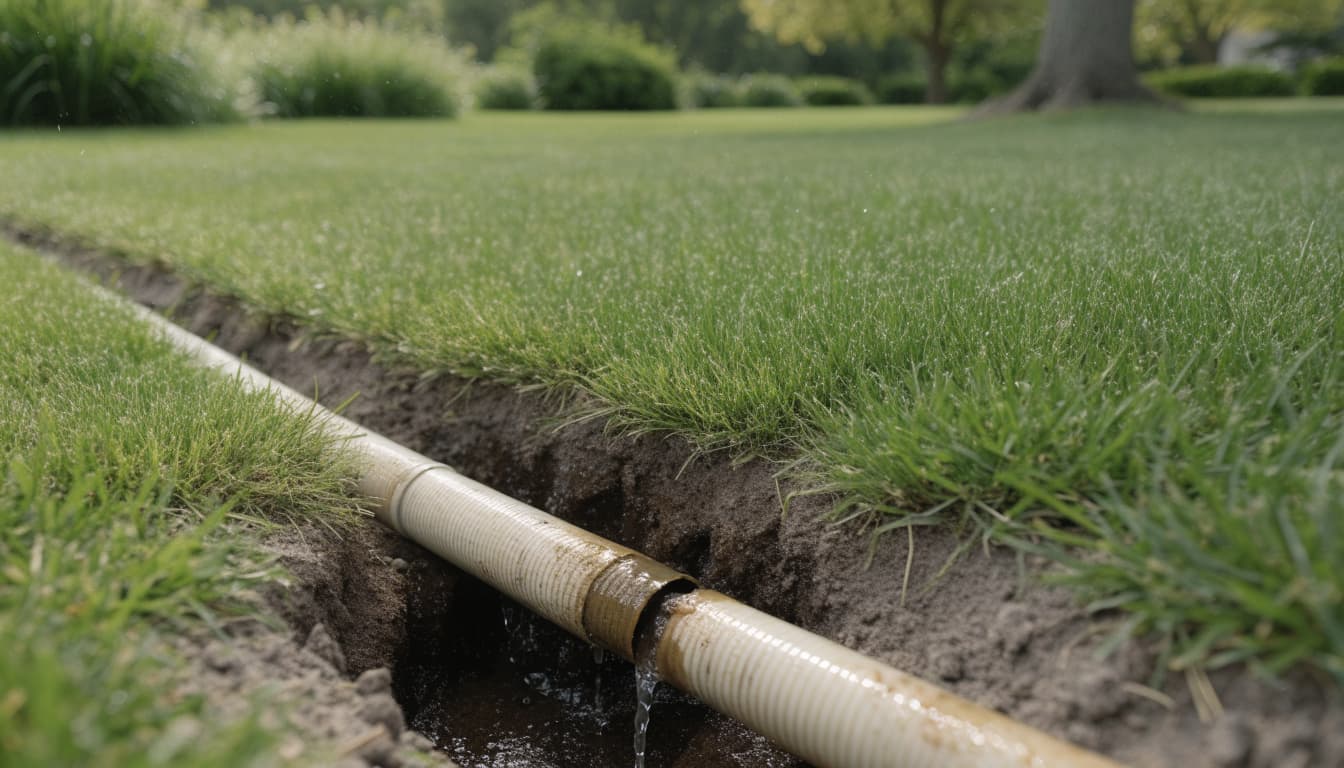
A buried leak doesn't always produce a fountain. Water may travel through soil before surfacing several feet from the damaged pipe. Look for a persistently soft patch, bubbling soil during a watering cycle, or an area that stays green while nearby turf dries out.
Compare wet ground with the watering schedule
Check whether the spot appears only while one zone runs, remains wet after that zone stops, or stays damp when the system hasn't run. Water that bubbles during a cycle can point to a broken lateral pipe or fitting. A valve that doesn't close fully can keep feeding a zone after its scheduled time ends.
Also inspect sprinkler heads near the wet area. A cracked head, loose riser, or buried nozzle may release water at the surface and look like a pipe leak. Watch the spray pattern before assuming the break is underground.
Rule out rainwater and yard drainage
If the patch grows after storms rather than irrigation cycles, check for downspout discharge, low ground, or runoff crossing the lawn. Atlanta properties can have very different slopes and soil conditions, so use what happens on your lot as the guide.
Persistent wetness near a low spot may call for drainage work instead of a pipe patch. RW Lawn Co's guide to fixing a soggy Atlanta lawn compares options for water that collects or flows across a yard.
Locate the leaking zone before you dig
Start with the controller and a walk around the property. Record which areas are wet, where each valve box sits, and whether the issue appears while the system is idle. Photos taken during a short test can help a technician find the same spot later.
Test one zone at a time
If there is no major leak or electrical hazard, run a brief manual cycle and observe each zone separately. Stand clear of spray and watch for bubbling soil, weak heads, or water collecting around a valve box. Stop the cycle once you see the fault. Repeated testing can saturate the ground and widen the damaged area.
Compare the suspect zone with one that works normally. Low pressure in one zone may point to a local leak, head, or valve problem. Weak flow across several zones suggests checking the supply or shared equipment before digging up a single patch.
Follow the water, but don't guess at pipe depth
The surface puddle is a clue, not a precise map. Water can move along a trench, root channel, or slope before it appears. If you have an irrigation plan, use it to identify the likely line route. Otherwise, note the valve box and heads served by that zone.
Contact Georgia 811 before excavation so participating utilities can mark their lines. Private irrigation pipes and other privately installed lines may require separate locating. Don't assume a clear utility marking means the ground contains no buried equipment.
Shut off the system and make the area safe
A controller's Off or Rain Delay setting can stop scheduled watering, but it may not stop water flowing through a damaged line. Identify the dedicated irrigation supply shutoff before opening the ground.
Close the right valve
The irrigation shutoff may be near the meter, backflow preventer, exterior wall, basement, or crawl space. Close it slowly, then confirm the sprinklers no longer receive water. Avoid turning off the home's main supply by mistake.
If water continues to pool near a foundation, flows onto a walkway, or fills a valve box, keep people away and arrange prompt service. Don't operate a valve box containing standing water and exposed wiring. For a pump-fed or well-fed system, follow the equipment instructions rather than improvising a shutdown.
Check simple faults without opening electrical equipment
Review the controller's zone number, schedule, and manual-run setting. An unexpected cycle may explain a wet lawn without a pipe break. Then look at accessible heads for cracks or loose connections, and observe valve boxes without pulling wires or disturbing fittings.
Don't raise system pressure to make weak heads spray farther. If a zone won't shut off after the controller stops it, close the irrigation supply. The fault may involve a valve, not the buried pipe you first suspected.
Irrigation pipe repair Atlanta homeowners can plan safely
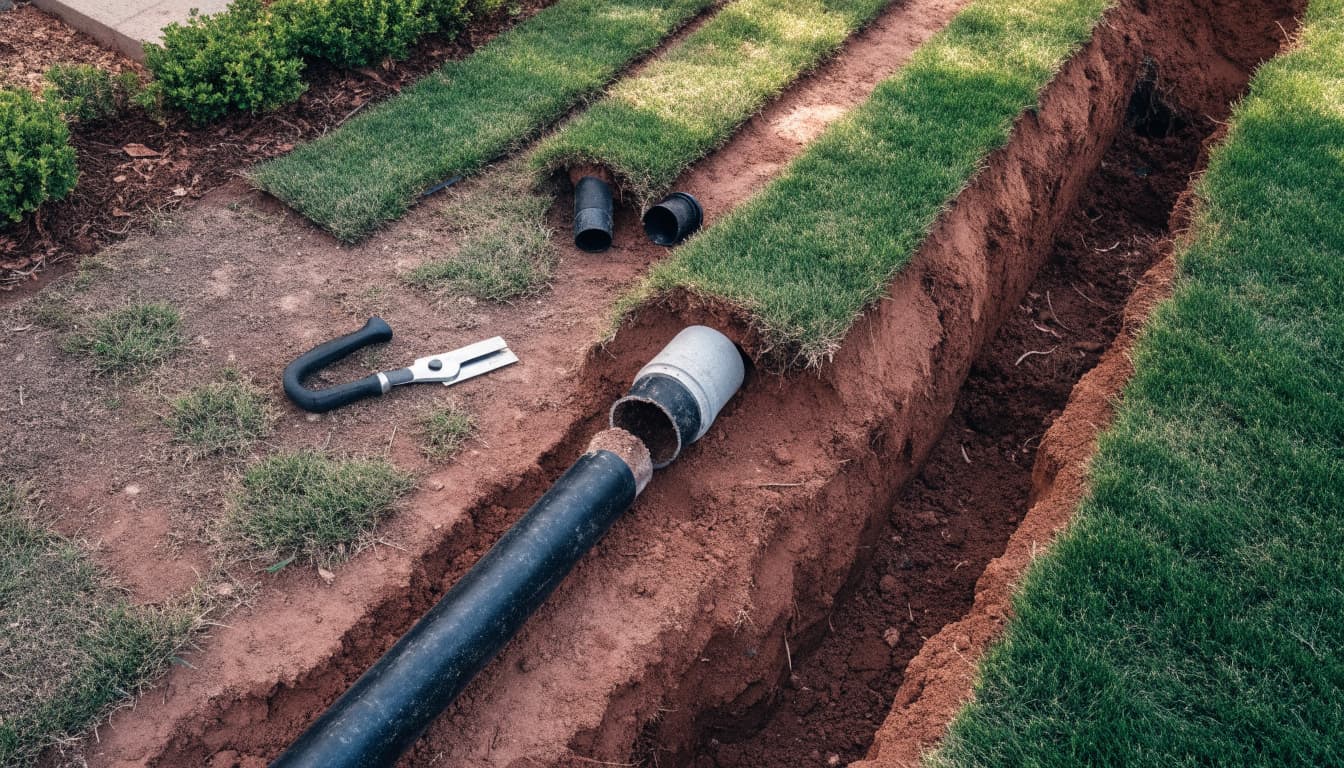
Once the water is off and buried utilities have been addressed, expose only enough of the irrigation line to identify the damage. Keep removed turf intact where possible, and place excavated soil on a tarp rather than spreading it over the grass.
Identify the damaged component first
A cracked straight section, failed joint, and broken connection at a sprinkler head call for different repairs. Check whether the exposed material is rigid PVC, flexible poly pipe, or another part of the system. Also look for a sharp edge or root pressing against it. Replacing a short section won't help if the same pressure remains.
For a straightforward lateral-line repair, the damaged portion may be replaced with matching pipe and compatible fittings. Follow the product manufacturer's joining and cure instructions. Avoid mixing fitting types or covering a connection before a controlled leak test confirms it holds.
Leave supply and specialty equipment to a professional
A pressurized supply line, valve manifold, backflow preventer, or pump connection carries more risk than an accessible lateral line. Stop if you can't identify the pipe, shut it off fully, or expose it without disturbing other services. Tape or a surface patch isn't a dependable fix for a buried pressure leak.
A lasting irrigation pipe repair Atlanta homeowners can verify includes checking the repaired connection under normal operation. It also includes confirming that nearby heads still water their intended areas. A dry trench alone doesn't prove the whole zone works.
Test the repair and restore the lawn
Open the supply slowly after the connection has met the fitting manufacturer's instructions. Run the affected zone and inspect the exposed repair for seepage. Watch its heads as well: they should rise, spray normally, and stop when the zone turns off. If pressure still seems low, shut the system down and continue diagnosis before backfilling.
Return soil around the pipe carefully, without pressing rocks or sharp debris against it. Refit the turf at its original level so the repaired area doesn't become a dip that collects rain. Keep valve-box lids visible and secure.
A restored pipe won't solve a separate grading problem. If water still moves toward the house or pools after rainfall, residential grading and paving in Atlanta addresses yard slope and drainage concerns. Let the excavation settle before judging whether the lawn surface needs further attention.
Know when to hire an irrigation professional
A homeowner may be comfortable spotting a cracked head or documenting which zone leaks. Buried pipe work becomes harder when the route is uncertain, several components fail, or excavation reaches roots, paving, or other utilities.
Call for diagnosis when the symptoms don't agree
Get professional help if multiple zones have poor pressure, the water meter shows unexplained use after other fixtures are ruled out, or a valve box repeatedly fills. A zone that runs with the controller off also needs attention. Shut off the irrigation supply if water keeps flowing.
Ask the technician to identify the failed component before replacing parts. A written scope should distinguish pipe, valve, head, wiring, and controller work. It should also state how the crew will test the repair and restore disturbed sod or mulch.
Check credentials for the work involved
Ask about experience with your pipe material and system type, proof of insurance, and any license required for the work being performed. Rules for plumbing connections and backflow devices can differ from those for routine sprinkler maintenance. Check requirements with the relevant local authority or water provider before approving regulated work.
A qualified provider should be able to explain who handles utility locating, whether backflow work is included, and what happens if testing reveals another leak. Those answers matter more than a quote for replacing an unseen part.
Understand what affects repair cost
The cost of irrigation pipe repair Atlanta homeowners face depends on access and the fault itself. A short, exposed lateral-line repair differs from locating a break beneath pavement or working near a valve manifold. Diagnostic time, excavation, fittings, testing, and turf restoration can all affect the bill.
RW Lawn Co's Atlanta irrigation installation cost guide gives $100 to $600 as a broad range for irrigation repairs. That figure isn't a price range for underground pipe repair alone. Ask for a site-specific estimate that separates diagnosis from the proposed repair.
If leaks recur in different zones, request a wider system assessment before paying for another isolated patch. The decision should account for the condition of the pipes and the work needed to restore reliable coverage.
Key takeaways for a leaking lawn
- A wet patch is a starting clue. Compare it with irrigation cycles and rainfall before digging.
- Shut off the dedicated irrigation supply when water keeps flowing; a controller setting alone may not isolate a leak.
- Locate utilities before excavation, and identify the pipe and failed fitting before choosing a repair.
- Test the exposed connection and full zone before restoring the turf.
- Hire a qualified professional for unclear leaks, shared supply problems, electrical hazards, and backflow or pump work.
Frequently asked questions
Can an underground irrigation leak occur when the sprinklers are off?
Yes. A leak on a constantly pressurized supply line can continue while the controller is off. A valve that fails to close may also feed a zone after its cycle ends. Shut off the dedicated irrigation supply if water continues to surface, then have the source identified.
How can I tell a pipe leak from a broken sprinkler head?
Run the affected zone briefly if it's safe. A broken head often releases water at or beside the visible sprinkler body. A buried line may make soil bubble between heads or leave a broader soft area. Either symptom can be misleading, so inspect accessible components before excavating.
Should I water the rest of the lawn while one zone is broken?
That depends on how the system is piped and whether you can isolate the failed zone without leaving a leak pressurized. Don't rely on skipping the zone at the controller if water still escapes while the system is idle. Ask a technician about safe isolation when the shutoff arrangement is unclear.
A repair starts with the right diagnosis
That first wet patch doesn't tell you which component failed. Compare watering cycles with rainfall, shut off active leaks, and identify the damaged line before disturbing the lawn.
A sound repair is tested before the trench closes . That final check protects both the irrigation system and the turf around it.