Atlanta Sprinkler Pressure Regulator Installation Guide
A sprinkler that sprays a fine mist can soak your driveway while leaving the lawn unevenly watered. If that happens across several zones, installing a sprinkler pressure regulator may help. Measure the problem first , though: a broken head, leak, or clogged filter can produce symptoms that look like a pressure issue.
For Atlanta property owners, the goal is even coverage without wasted water or stressed fittings. Start by finding where the pressure problem occurs, then confirm what your irrigation system and water provider require.
What a regulator can and can't fix
A pressure regulator controls pressure downstream of its installation point. In a lawn irrigation system, that can help equipment operate within its intended range. It doesn't repair damaged pipe or make poorly placed sprinkler heads cover an entire yard.
Misting across multiple heads
Excessive operating pressure can cause spray to break into a fine mist. Wind carries those droplets away before much water reaches the turf. You may also notice overspray onto a sidewalk or siding.
Misting alone isn't proof that the whole system needs a regulator. Some sprinkler heads have their own pressure-regulating features, and nozzles differ in how they spray. Identify the affected equipment and measure pressure while the zone runs before choosing a system-level change.
Weak spray and dry patches
A regulator set incorrectly, installed in the wrong part of a system, or selected without accounting for the equipment can leave heads struggling to rise. Yet weak spray also occurs with leaks, blocked filters, partly closed valves, and supply problems.
Low pressure isn't a reason to add another regulator. Find the restriction or water loss first. An irrigation technician can compare measurements and inspect the affected zones without treating every dry patch as the same problem.
Diagnose the lawn before changing the plumbing
Watch each zone run and note which heads mist, stay low, or fail to cover their usual area. Compare a struggling zone with one that operates normally. The pattern helps narrow down where to investigate.
When only one zone looks wrong
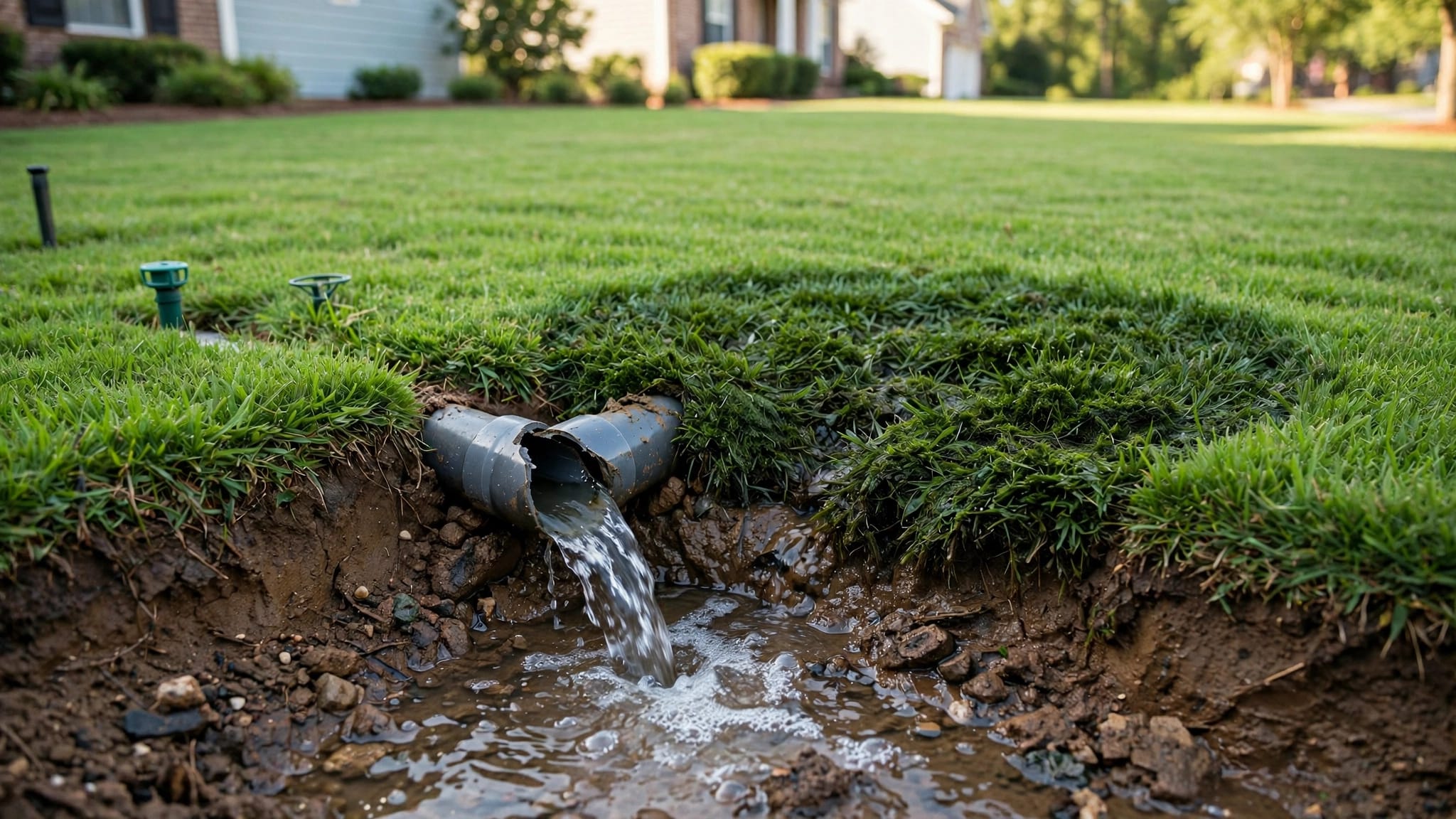
A single weak zone may have a leaking lateral pipe, faulty zone valve, clogged nozzle, or too many heads for the available flow. A wet patch around one head may point to a broken fitting rather than a system-wide pressure problem.
Likewise, one dry wedge beside a shrub can come from blocked spray. Check the visible heads and ground before approving sprinkler pressure regulator installation. Reducing pressure won't restore water lost through a buried break.
When every zone looks wrong
If all zones mist, high supply pressure becomes more plausible, but it still needs measurement. If all zones are weak, check for a partly closed irrigation shutoff, a clogged upstream component, or a problem at the supply connection.
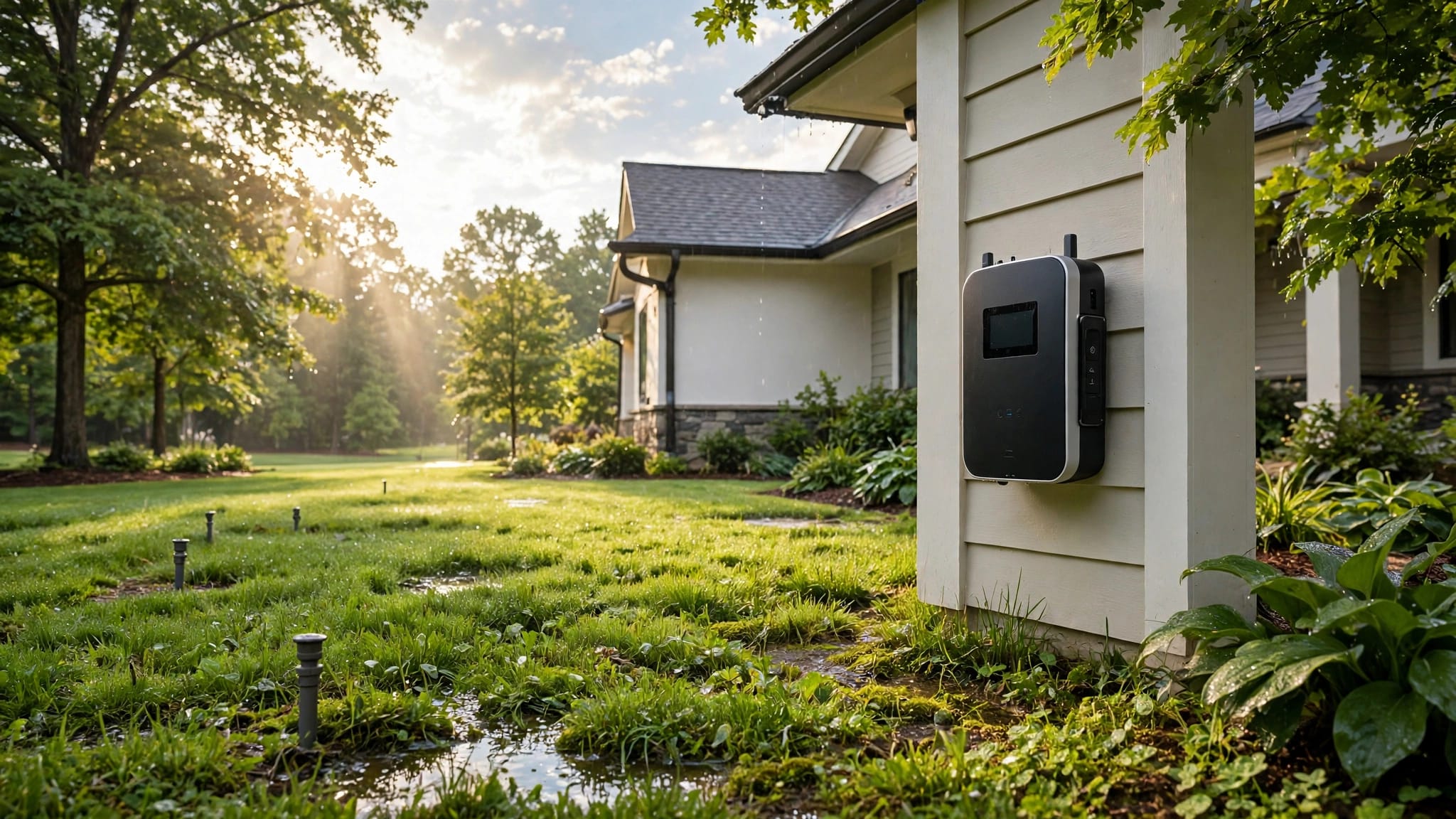
A technician should distinguish static pressure , measured when water isn't flowing, from operating pressure , measured while a zone runs. The sprinklers work under flowing conditions, so a reading taken only while the system is off tells an incomplete story.
Where the regulator belongs in the irrigation system
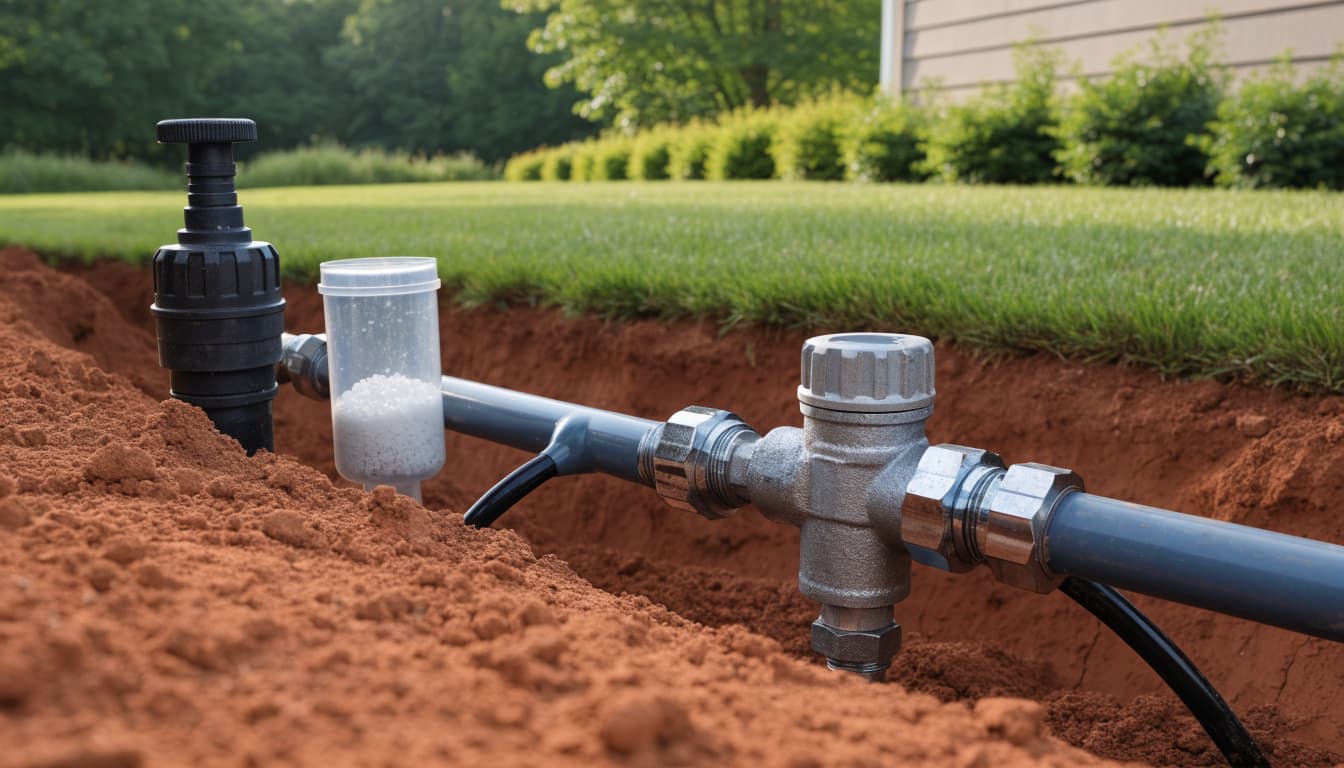
Placement depends on the existing plumbing, the zones being served, and the regulator manufacturer's instructions. A single device may affect multiple zones if they share the same downstream supply. A device serving one branch won't change pressure in unrelated zones.
Confirm the intended installation point
Ask the installer to identify which zones the proposed location will control. The regulator must be accessible for inspection and future service, with room for appropriate testing and connections. Buried fittings, crowded valve boxes, and roots can make even a small plumbing change more involved.
The correct regulator and location depend on the specific equipment documentation and system design. Don't use the appearance of another home's sprinkler setup as a specification for yours.
Keep backflow protection separate
A pressure regulator is not a backflow preventer . Backflow protection helps stop irrigation water from entering the drinking water supply during certain pressure changes. Changing pressure downstream doesn't replace that protection.
Before modifying a potable-water irrigation connection, ask the water provider on your bill about its current backflow, permit, inspection, and testing requirements. Rules can vary across Metro Atlanta utilities. Leave an existing backflow assembly accessible, and don't bypass or alter it to make space for a regulator.
Plan sprinkler pressure regulator installation safely
The safest installation plan starts with accurate measurements, a clear scope, and the manufacturer's documentation. The person doing the work should know which supply feeds irrigation, where it can be isolated, and how the system can be depressurized safely.
Protect the property before work starts
Shut off the irrigation water and relieve pressure through the system's approved method before opening any connection. A paused controller doesn't shut off the water supply. If the isolation valve is unclear, stop and have a qualified professional identify it.
Also locate buried utilities before excavation and keep soil out of open plumbing. If work involves the service connection, backflow assembly, or unfamiliar electrical components, use an appropriately qualified professional. Check applicable local requirements before cutting pipe or changing protected connections.
Match the proposal to the equipment
A written proposal should identify the zones affected, the regulator's intended location, the equipment being installed, and the measurements used to justify it. Ask how the installer will check pressure during operation and inspect for leaks afterward.
Don't choose a regulator solely by a pressure number printed on its packaging. The equipment documentation and the actual irrigation system govern selection. If the system uses a pump, well, drip zones, or different sprinkler types, tell the installer before approving a change.
Test pressure and coverage after the work
Once the system is safely restored to service, measured performance matters more than whether the heads look stronger. Compare operating readings at suitable test points with the equipment's requirements. Then run each affected zone and inspect the exposed work for leaks.
Watch the whole spray pattern
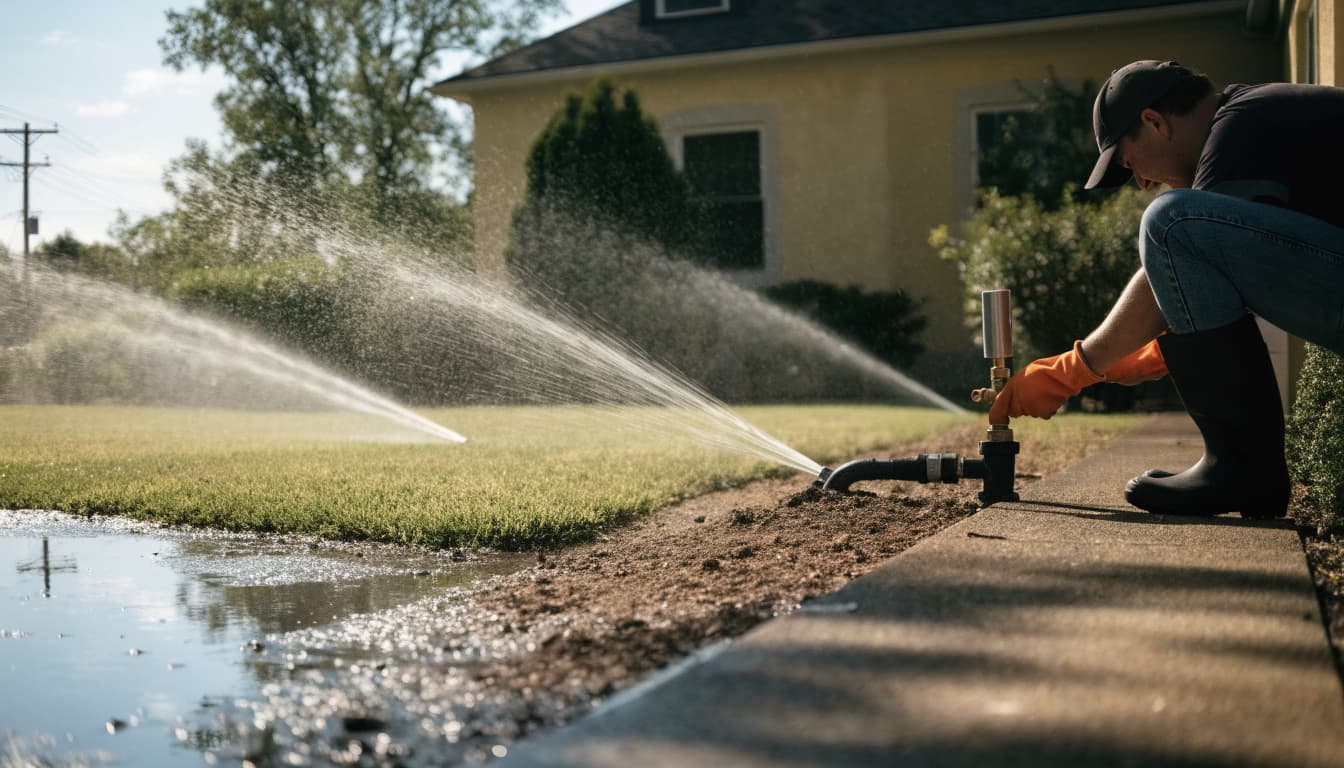
Heads should rise properly and deliver water to their intended areas. Look for mist drifting away, water hitting pavement, and soggy spots near fittings. A pressure reading can be acceptable while a blocked nozzle still leaves grass dry.
If performance worsens, stop testing and arrange an inspection. Don't keep adjusting an unfamiliar regulator or repeatedly run a leaking zone. Record the readings and which zones were operating so the installer can trace the change.
Measure what reaches the lawn
Pressure doesn't tell you how evenly water lands. A catch-can test uses matching containers spread across one zone to reveal wet and dry areas. RW Lawn Co's guide to testing sprinkler coverage with catch cans explains how to use the results to review coverage and run times.
Run the test again after a pressure change if the spray pattern has shifted. Otherwise, an old controller schedule may apply too little water to one part of the lawn and too much to another.
Adjust watering for Atlanta turf and soil
A regulator changes how water leaves the sprinkler system, not how much your grass needs. Bermuda, Zoysia, and tall fescue have different seasonal growth patterns. Rainfall, shade, and soil conditions also affect the schedule.
For established turf during active growth, roughly 1 inch of water per week, including rainfall , is a useful starting point, not a fixed controller setting. Measure sprinkler output before converting that target into minutes. The Atlanta lawn watering schedule by season offers grass-specific context.
Atlanta's clay-heavy soils can shed water when sprinklers apply it faster than the ground absorbs it. Shorter cycles with soak time between them may reduce runoff. If water still pools long after irrigation ends, inspect for leaks and consider whether yard drainage problems need a separate fix. Check your water provider's current watering restrictions before changing the controller.
Know what affects the cost
There isn't one reliable price for a regulator installation without seeing the system. A visible, accessible connection is different from a buried line near roots or hardscape. Diagnosis, excavation, replacement fittings, backflow-related work, and follow-up testing can all change the scope.
Ask for an estimate that separates troubleshooting from installation. It should explain whether leak checks, operating-pressure measurements, and zone testing are included. If the proposal recommends other repairs, ask which findings support them.
RW Lawn Co's Atlanta irrigation installation cost guide puts broader sprinkler work in context. Its repair figures are general system estimates , not prices for installing a pressure regulator. For a larger system, paying for diagnosis first can prevent an unnecessary plumbing change.
Key takeaways
- Measure pressure while affected zones run before deciding a regulator is needed.
- Check for leaks, clogged components, and head problems, especially when only one zone struggles.
- Confirm the installation location and equipment requirements with the installer.
- Shut off water, relieve pressure safely, and keep backflow protection intact.
- Retest both pressure and lawn coverage after the work, then revisit controller run times.
Frequently asked questions
Will a regulator fix brown patches in my Atlanta lawn?
Only if excessive pressure is contributing to poor water delivery. Brown patches can also come from blocked spray, leaks, insufficient run time, soil conditions, or turf problems. Watch the affected zone and measure coverage before changing plumbing.
Is a pressure regulator the same as a backflow preventer?
No. A regulator controls downstream pressure. A backflow preventer protects the drinking water connection against reverse flow. Ask your water provider which backflow requirements apply to your property before altering the irrigation supply.
Can I install a sprinkler regulator myself?
That depends on your system, your ability to isolate and depressurize it, and applicable local requirements. Work near a backflow assembly or potable-water connection deserves professional review. If you can't identify the supply, suitable location, or required equipment, don't open the line.
What if the sprinklers are weaker after installation?
Turn off the system if you see a leak. Otherwise, have the installer compare operating readings and check the affected zones against the original measurements. Weak spray may indicate an equipment-selection or adjustment problem, but a separate restriction or leak is also possible.
Conclusion
A misty sprinkler zone can make a regulator seem like an obvious fix. A measured diagnosis tells you whether it belongs in your system at all.
Confirm the equipment and local requirements before work begins. Then check pressure and lawn coverage afterward, so the change improves watering rather than moving the dry spots.