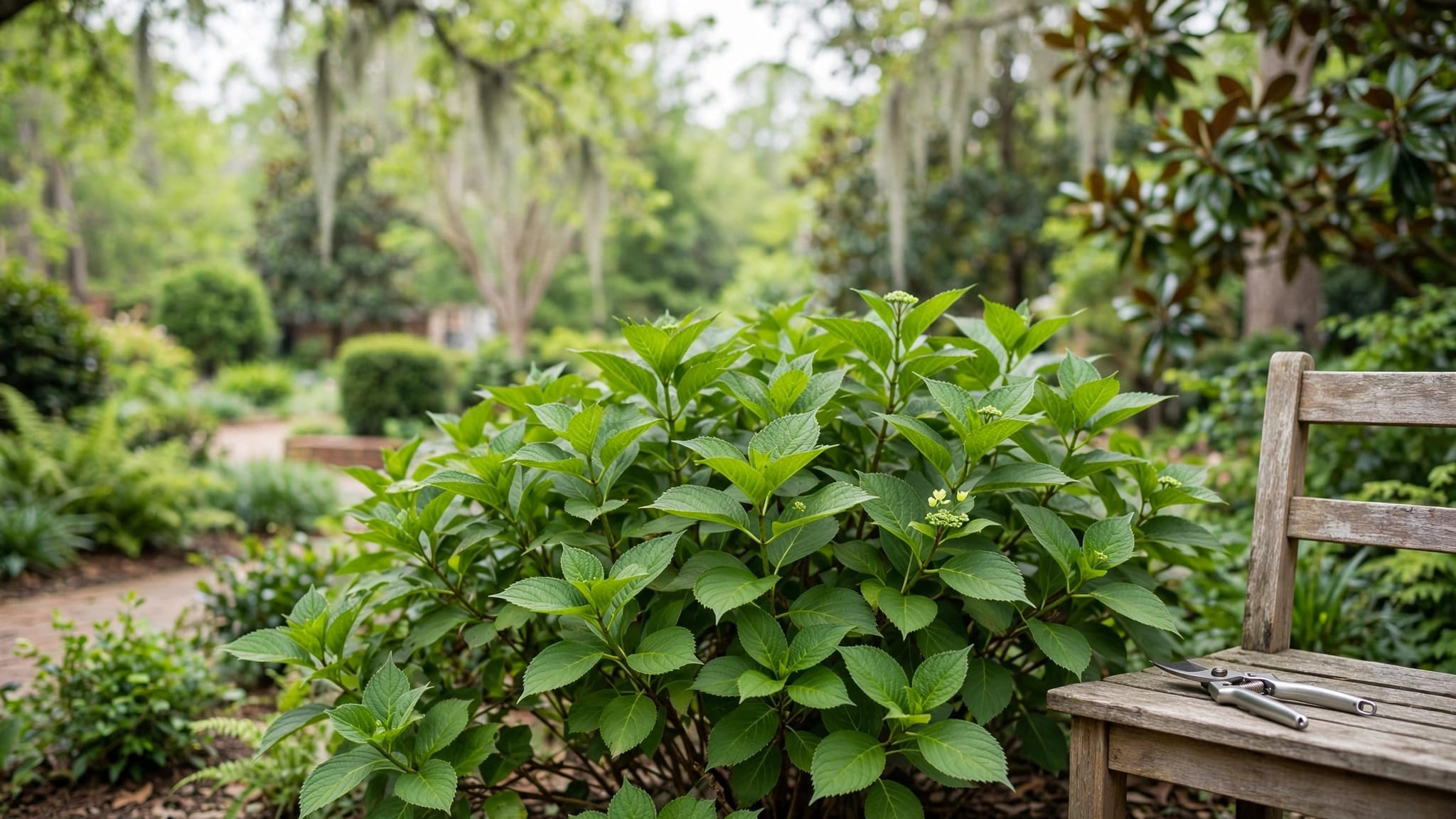
Atlanta Irrigation Leak Detection for Wet Lawns
A wet spot that stays green while the rest of your Atlanta lawn dries out can look harmless at first. However, it may point to a sprinkler problem that is wasting water beneath the turf.
Irrigation leak detection starts with patterns, not panic. By watching when the area gets wet, checking each zone, and ruling out rain or plumbing issues, you can narrow down the cause before a small repair damages more lawn. Start with the visible clues, then test the system one section at a time.
Signs Your Sprinkler System May Be Leaking
A leak does not always create a dramatic geyser. In many yards, it begins as soft ground, an unusually green strip of grass, or a water bill that rises without a change in household use.
Pay attention to areas that stay damp several days after rain. Atlanta's clay-heavy soil can hold moisture, but a spot that remains soggy through dry weather deserves a closer look.
Wet grass during dry weather
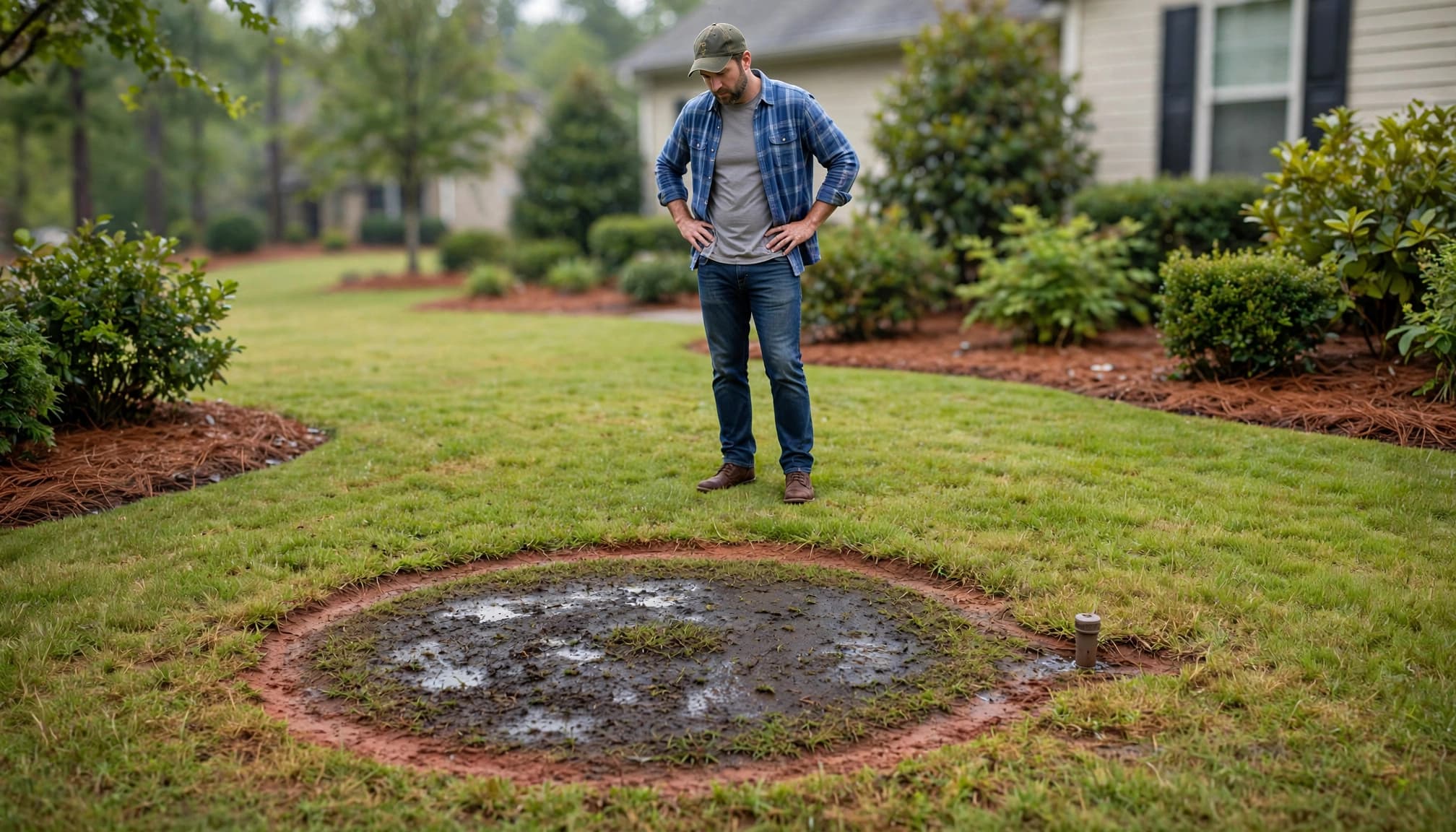
Walk the lawn before the irrigation system runs, especially after several rain-free days. A damp ring around a sprinkler head can mean the head is cracked, the riser is damaged, or a valve is allowing water to seep into that zone.
A buried supply-line leak often creates a softer, wider patch. The turf may grow faster there because it receives more water and may also look thinner if the soil stays saturated.
Water where it should not be
Water pooling beside the backflow assembly, valve box, driveway, or foundation needs attention. A sprinkler zone that sends water onto pavement may have a broken head or a nozzle that has shifted out of position.
Also inspect mulch beds and slopes. Washed-out mulch, small erosion channels, and muddy soil below a spray head can point to overspray or a damaged component. Those problems can waste a surprising amount of water over repeated cycles.
A wet area that appears only after a scheduled watering cycle usually points toward irrigation. A wet area that appears after every storm may have a drainage cause instead.
Tell an Irrigation Leak From Drainage or Plumbing Trouble
Water follows the easiest path, so the wettest patch is not always the source. A careful timing check often separates sprinkler trouble from roof runoff, poor grade, or an indoor plumbing leak.
For irrigation leak detection , note the weather, irrigation schedule, and exact location before you start digging or replacing parts.
When rain and grading are the real issue
If the lawn becomes soggy only after heavy rain, start above the wet area. Check overflowing gutters, downspouts that empty into a low spot, and slopes that direct water across the yard.
Atlanta's red clay can shed water across the surface instead of absorbing it quickly. Low areas may stay soft after storms even when every irrigation zone is off. If water consistently travels downhill or collects near the house, review Atlanta yard drainage solutions before treating the symptom as a sprinkler leak.
Drainage issues often cover a broader area and follow rain. Irrigation leaks tend to match a zone, a pipe route, or a specific piece of equipment.
When to suspect household plumbing
A plumbing leak may keep the water meter moving even when the irrigation supply is shut off and no water is running inside the home. You may also notice low pressure indoors, a warm floor, moisture near an exterior wall, or water around a water heater.
Do not assume every wet lawn is a sprinkler issue. If the meter keeps registering use after you shut off irrigation and confirm faucets, appliances, and hose bibs are off, call a qualified plumber. A leak between the meter and the house can also wet nearby soil.
Run a Safe Irrigation Leak Test at Home
You can find many visible problems without special equipment. Choose a dry day, wear shoes with good traction, and keep children and pets away while each zone runs.
Avoid digging, taking apart the backflow assembly, or touching exposed irrigation wiring. A quick visual inspection gives you enough information to decide whether a simple repair is reasonable.
Check one zone at a time
Set the controller to run each zone separately for several minutes. Stay near the active zone and watch what happens as pressure builds.
Use this simple sequence:
- Start with the zone closest to the wet spot and observe every head as it rises.
- Look for misting, a sideways spray, bubbling soil, pooled water, or a head that does not pop up.
- Shut the zone off and listen for water that continues to hiss, spray, or flow after the scheduled cycle ends.
- Mark problem areas with a small flag, stake, or photo so you can find them again after the grass dries.
A broken head often becomes obvious right away. A pipe leak may only show as water bubbling from the soil or a sudden loss of pressure at nearby heads.
Use the water meter carefully
A meter check can help when the leak is hidden. First, turn off the irrigation controller, avoid running water indoors, pause appliances that use water, and do not use outdoor faucets. Record the meter reading, then wait 15 to 30 minutes.
If the meter changes while everything is off, water may be escaping somewhere on the property. Next, if your irrigation system has an accessible shutoff valve, close it and repeat the test. Meter movement that stops after the irrigation supply is isolated makes the irrigation system the likely source.
Do not force a stiff valve or remove a meter cover. If you cannot safely identify the irrigation shutoff, leave that step to a service professional.
Common Causes Behind High Water Use
Most sprinkler leaks occur at connection points, moving parts, or areas where lawn equipment and settling soil put stress on the system. Finding the cause matters because a visible puddle may be far from the damaged fitting.
Broken sprinkler heads and risers
Mower tires, edging tools, vehicles, and foot traffic can crack a sprinkler head or bend the riser beneath it. A damaged head may spray a fan of water low across the lawn, soak one small area, or fail to rise above the grass.
Replace a clearly cracked head only when you can match its thread size, spray pattern, and precipitation rate. Installing a mismatched nozzle can leave one part of the yard soaked while another gets too little water.
Heads that sit too low also collect soil and grass clippings. Raise or reset them only if you can do so without disturbing the pipe connection below.
Stuck valves and damaged supply lines
A zone valve should stop water when the controller ends the cycle. If heads keep dripping or a zone stays wet long after watering, debris, a worn diaphragm, or a valve problem may prevent full closure.
Leaks in a supply line create different clues. You may see a broad wet patch, sunken soil, poor pressure across a zone, or water surfacing between sprinkler heads. Tree roots, soil movement, aging fittings, and accidental cuts can all damage buried pipe.
Do not dig blindly along a suspected line. Call 811 before excavation, and stop if the leak is near marked utilities, a hardscape edge, tree roots, or the home's foundation.
Inspect the Backflow Device and Valve Boxes
The backflow preventer protects the potable water supply by separating it from irrigation water. Because it handles pressurized water and contains specialized parts, it is not a good place for trial-and-error repairs.
Look for steady dripping, a visible split, corrosion, or water collecting around the assembly. A brief release during operation can occur in some situations, but a persistent leak, pressure problem, or water spraying from the device calls for trained service.
What you can inspect without disassembly
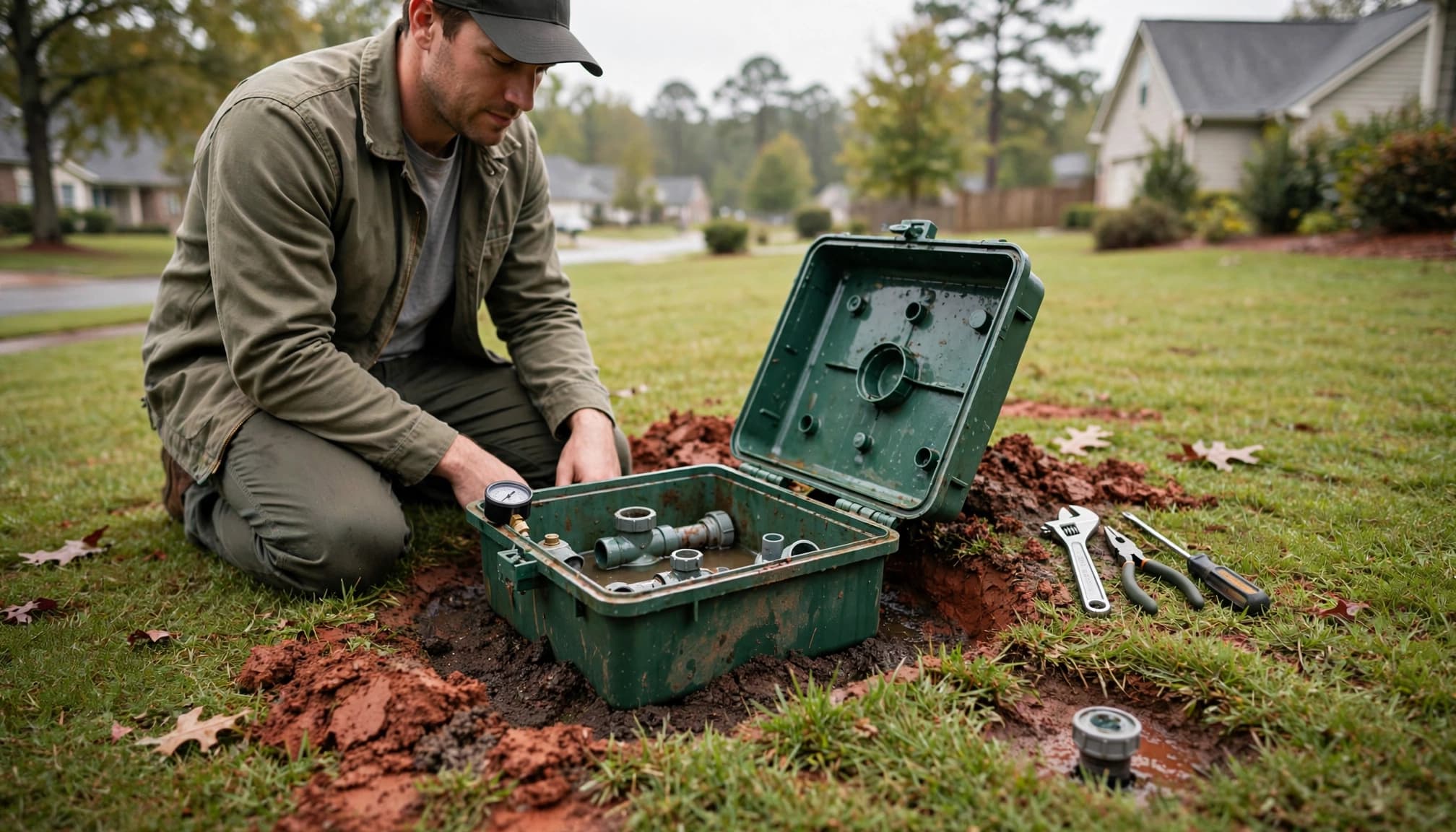
Open valve-box lids carefully and remove loose leaves or soil from the top. Do not pull on wires, pry fittings, or reach into standing water.
Check for these visible conditions:
- Water filling a valve box when the system is not running.
- Cracked lids or boxes that allow soil to bury valves and wires.
- Muddy water or active bubbling around a valve fitting during a zone cycle.
- A box that smells musty or stays flooded after dry weather.
A flooded valve box can hide a leak and make electrical problems more likely. Take a photo from above, close the lid, and arrange an inspection rather than trying to rebuild a valve in muddy conditions.
Know When DIY Troubleshooting Should Stop
Replacing a nozzle or clearing grass around a head is manageable for many homeowners. Buried leaks, malfunctioning valves, and backflow problems need a more careful approach.
Stop troubleshooting when water is flowing near the house, a driveway is sinking, or the soil feels unstable. The same rule applies if you see electrical damage, cannot locate an irrigation shutoff, or find water escaping from a pipe under pressure.
Call for irrigation repair when the leak is hidden
A professional can isolate zones, test pressure, trace buried lines, and repair fittings without turning your yard into a series of unnecessary trenches. That is especially helpful in established Bermuda or Zoysia lawns, where repeated digging can leave bare patches and uneven turf.
Get help if you notice any of the following:
- The meter shows ongoing water use but no visible sprinkler issue.
- A wet spot keeps returning after you replace a broken head.
- Several heads lose pressure at once.
- A valve continues running after the controller shuts off.
- Water leaks from the backflow assembly or main supply connection.
- The issue involves a foundation, retaining wall, steep slope, or utility route.
A clear repair plan should identify the suspected source, the repair area, and how the lawn will be restored after digging.
Reduce Future Leaks and Water Waste
A few routine checks can catch small irrigation problems before they turn into soft turf, erosion, or higher bills. Run every zone at the start of spring and again during the hottest part of summer, when systems work hardest.
Trim grass and groundcover away from heads so spray patterns stay visible. After mowing or edging, take a quick look at heads near sidewalks, driveways, and bed edges where tools and wheels cause the most damage.
Adjust run times after meaningful rain, and avoid watering already saturated soil. If one part of the property stays wet despite shorter run times, investigate the water source instead of simply skipping that zone.
Regular mowing, edging, and bed maintenance also make sprinkler trouble easier to see. Healthy, accessible turf does not hide broken heads and soggy soil as easily as overgrown grass or piled mulch.
A Dry, Even Lawn Starts With the Right Diagnosis
Wet spots and high water bills do not always mean a major repair, but they deserve a methodical check. Watch the pattern, test one zone at a time, and separate irrigation moisture from rain runoff or plumbing trouble.
The best irrigation leak detection work identifies the source before anyone digs. That protects your lawn, limits water waste, and helps you choose the right repair for your Atlanta property.