Atlanta Kyllinga Control for Bermuda and Zoysia Lawns
Green kyllinga can make a good Atlanta lawn look rough in a hurry. One damp corner turns into a spreading patch, and the mower seems to glide right over it.
Strong Atlanta kyllinga control takes more than one spray. You need the right ID, the right timing, and a lawn that isn't staying wet all week. That matters even more with Bermuda and Zoysia, because herbicide safety is not the same across both grasses.
How to spot green kyllinga before you treat it
Green kyllinga is a sedge, not a true grass. It often grows lower than yellow nutsedge, forms tighter patches, and shows up first in wet spots that stay soft after rain.
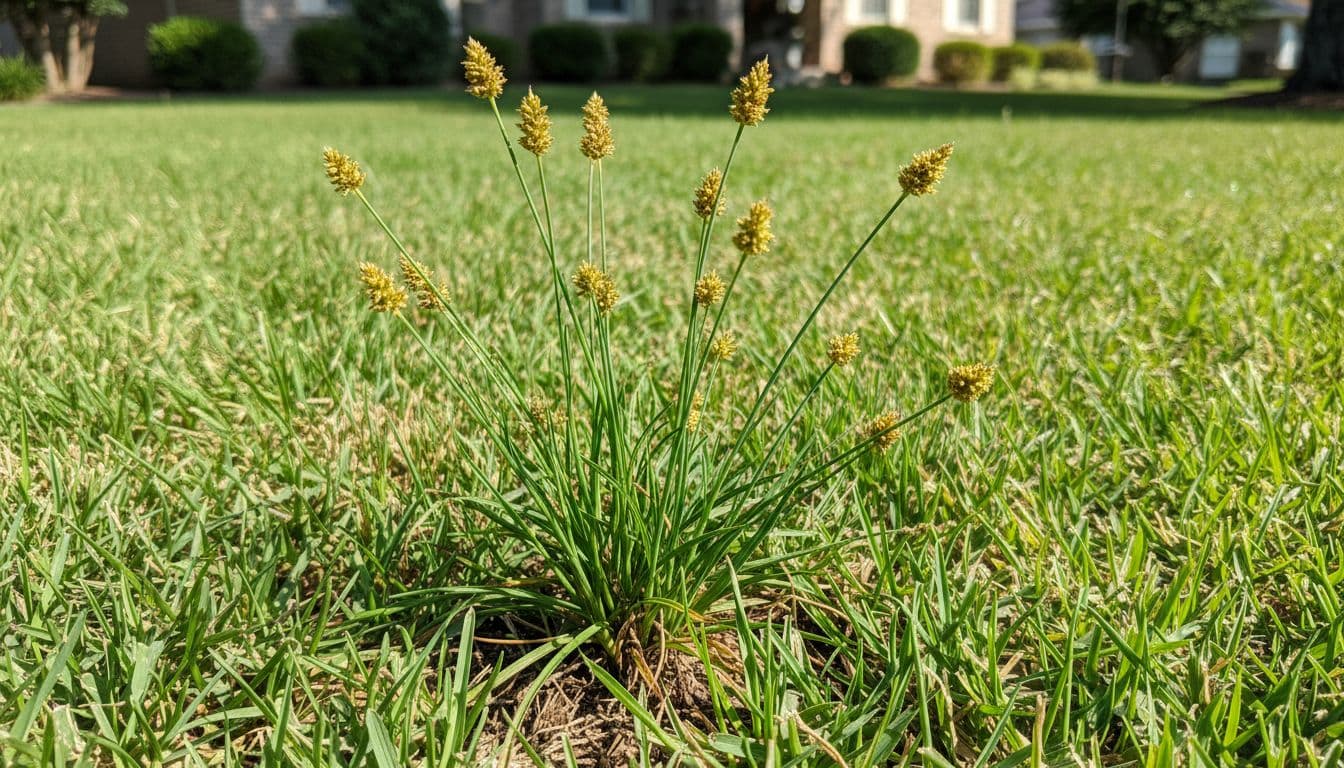
Look for a few clues. The stems are often triangular if you roll them between your fingers. The leaves are narrow and glossy, and the seedhead is small, round, and greenish to tan as it matures. In Bermuda or Zoysia, it can look like a lighter, shinier patch that grows faster after rain.
It also loves the same conditions that help other moisture weeds spread. If parts of your yard stay soggy, you may also find similar problems covered in this Atlanta doveweed control guide for Bermuda and Zoysia.
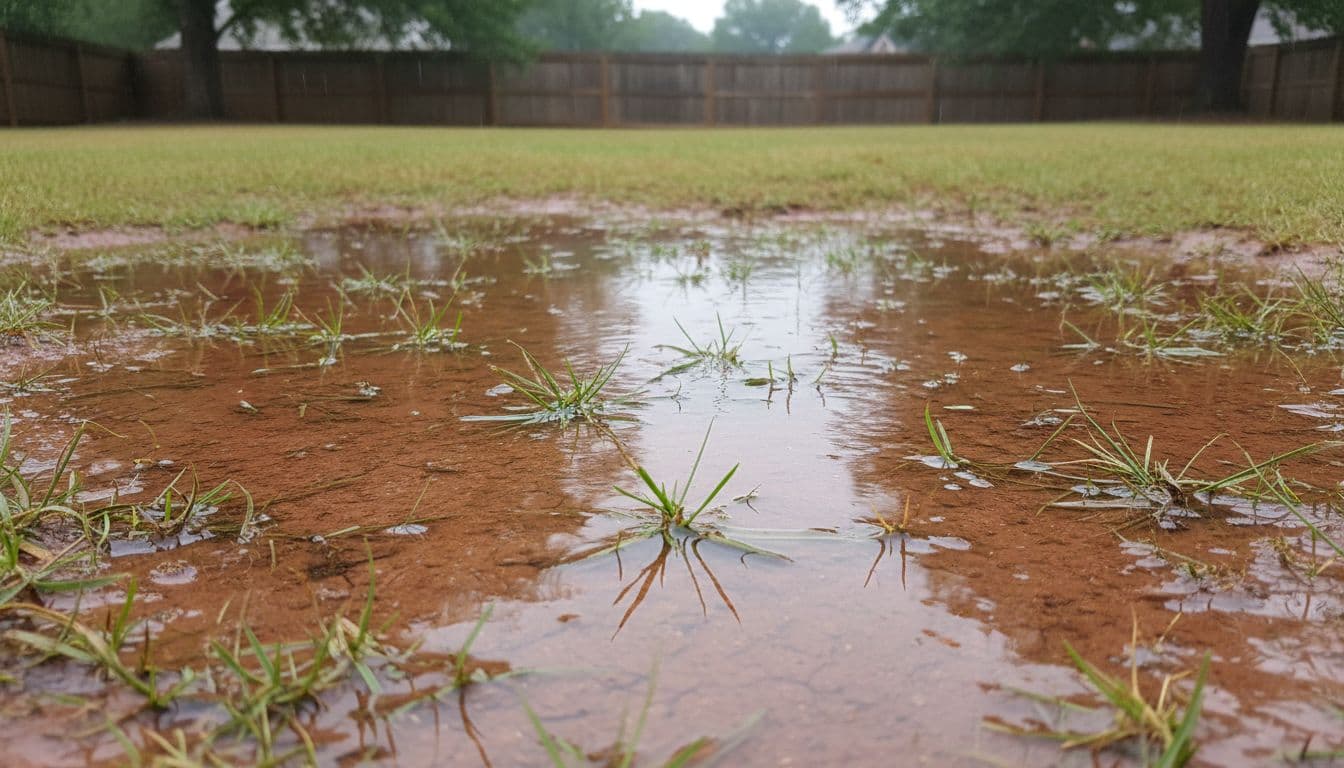
Most Atlanta lawns get kyllinga because of wet, compacted soil . Red clay, shallow daily watering, low spots, leaking irrigation heads, and foot traffic all help it move in. Thin turf makes it even easier.
If the patch stays wet, kyllinga usually comes back, even after a decent herbicide treatment.
Best treatment windows for Georgia lawns
Timing matters because kyllinga responds best when it's actively growing. In Metro Atlanta, that usually means late spring into summer for post-emergent control, with pre-emergent help starting earlier where the label allows.
Here is the simple seasonal view:
| Atlanta timing | What to do |
|---|---|
| March | Apply a labeled pre-emergent on established turf, often around 55°F soil temps |
| Early June | Refresh the pre-emergent barrier where the product label allows |
| May to June | Spot-spray visible kyllinga with a labeled post-emergent |
| 4 to 6 weeks later | Recheck patches and repeat if the label allows |
For post-emergent work, late spring and early summer are usually the sweet spot. That's when kyllinga is growing hard enough to take in the herbicide, but the lawn is not yet baking in peak heat. Many homeowners get better results with two lighter treatments than one heavy pass.
Still, don't spray on drought-stressed turf, right after mowing, or when temperatures are pushing past 85°F if the label warns against it. Waiting a day or two after mowing also helps because the weed has more leaf surface to absorb the treatment.
If you want a bigger seasonal picture, RW Lawn Co's Atlanta post-emergent weed control calendar is a helpful reference for Atlanta weather and warm-season turf timing.
A step-by-step control plan for Bermuda and Zoysia
Start with water, not the spray bottle. Kyllinga loves shallow, frequent irrigation. Water deeply and less often, usually about 1 inch per week if rain doesn't cover it. Also fix low spots, poor grading, runoff from downspouts, and compacted soil. In many Atlanta yards, aeration helps because it opens tight clay and improves drainage.
Next, protect turf density. Bermuda usually does best around 0.5 to 1.5 inches, while many Zoysia lawns do well around 1 to 2 inches. Follow the one-third rule and avoid scalping. A dense lawn shades the soil, and that makes life harder for kyllinga.
Then choose products by active ingredient and turf label , not by front-label promises. Post-emergent options commonly used for kyllinga in warm-season turf include halosulfuron, imazaquin, and sulfentrazone, where labeled. Pre-emergent products such as prodiamine, pendimethalin, or dithiopyr may help reduce new seedlings where labeled, but they won't remove patches already rooted.
This is where Bermuda and Zoysia part ways a bit. Bermuda often handles a broader weed-control program. Zoysia can be more sensitive, especially during spring green-up or when stressed. Always check the exact product label and turf tolerance before application , including rate, surfactant needs, temperature limits, and whether your Zoysia cultivar is listed.
Finally, spot-spray the patches and mark them. Recheck in 4 to 6 weeks. Heavy infestations often need repeat treatments, and some lawns take a full season, sometimes two, to get truly clean. After control, plug or sod thin areas so the weed doesn't reclaim open ground.
Quick FAQ about kyllinga in Atlanta lawns
When should I spray green kyllinga?
For visible patches, late spring into early summer is usually best in Atlanta. For prevention, March and then early June are common pre-emergent windows on established Bermuda and Zoysia, but only use products labeled for your turf.
Does kyllinga die in winter?
The top growth usually browns after frost. However, the plant often survives below ground and returns from rhizomes when warm weather comes back.
Will it come back next year?
Yes, it can. If the lawn stays wet, compacted, or thin, kyllinga often returns even after a decent kill. That's why good Atlanta kyllinga control always includes drainage, mowing, and turf thickening.
Does hand-pulling work?
It works only on tiny patches. You have to dig deep enough to remove the roots and underground parts, not just the top growth. Otherwise, it often grows right back.
That damp corner in your yard doesn't clean itself up. Kyllinga fades when you dry the site, protect turf density, and stay patient with repeat spot treatments.
If the patches keep spreading, or you're not sure what's safe on your Bermuda or Zoysia, get local help and build a label-first plan before the weed gets another season to spread.