Atlanta Goosegrass Control for Bermuda and Zoysia Lawns
Goosegrass can turn a good-looking summer lawn into a patchy mess fast. In Metro Atlanta, it usually shows up where Bermuda or Zoysia is thin, hard-packed, or slow to fill in.
That's why strong atlanta goosegrass control is never only about spray. You get better results when timing, turf safety, and soil fixes work together. Start with the weed itself, then build a plan that fits North Georgia weather.
Why Goosegrass Keeps Winning in Atlanta
Goosegrass loves the same heat your warm-season lawn loves. The difference is that it thrives in weak spots. Think of it as a squatter that moves into open turf and refuses to leave.
In Atlanta yards, those weak spots are often compacted clay, poor drainage, thin edges by driveways, and traffic-worn areas. Soil that stays tight after rain gives goosegrass an opening. So does mowing too low, especially on bumpy Bermuda or worn Zoysia.
This weed also tends to show up later than many homeowners expect. Crabgrass often gets the blame first, but goosegrass usually ramps up after soils warm more in late spring. By then, small seedlings can already be rooting into tough, flattened clumps.
Goosegrass often points to a soil problem as much as a weed problem.
That matters because long-term control means more than killing what you see. Improving drainage, reducing compaction, and keeping turf dense all make the next season easier.
How to Spot Goosegrass Before You Treat It
Misidentifying goosegrass is like using the wrong key on a lock. You might force it, but you won't get the result you want.
Look for a low, flat clump that spreads like a wagon wheel. The center often looks whitish or silvery, especially near the base. Leaves are smooth and folded, and mature plants throw up slender seedheads that branch like little fingers.
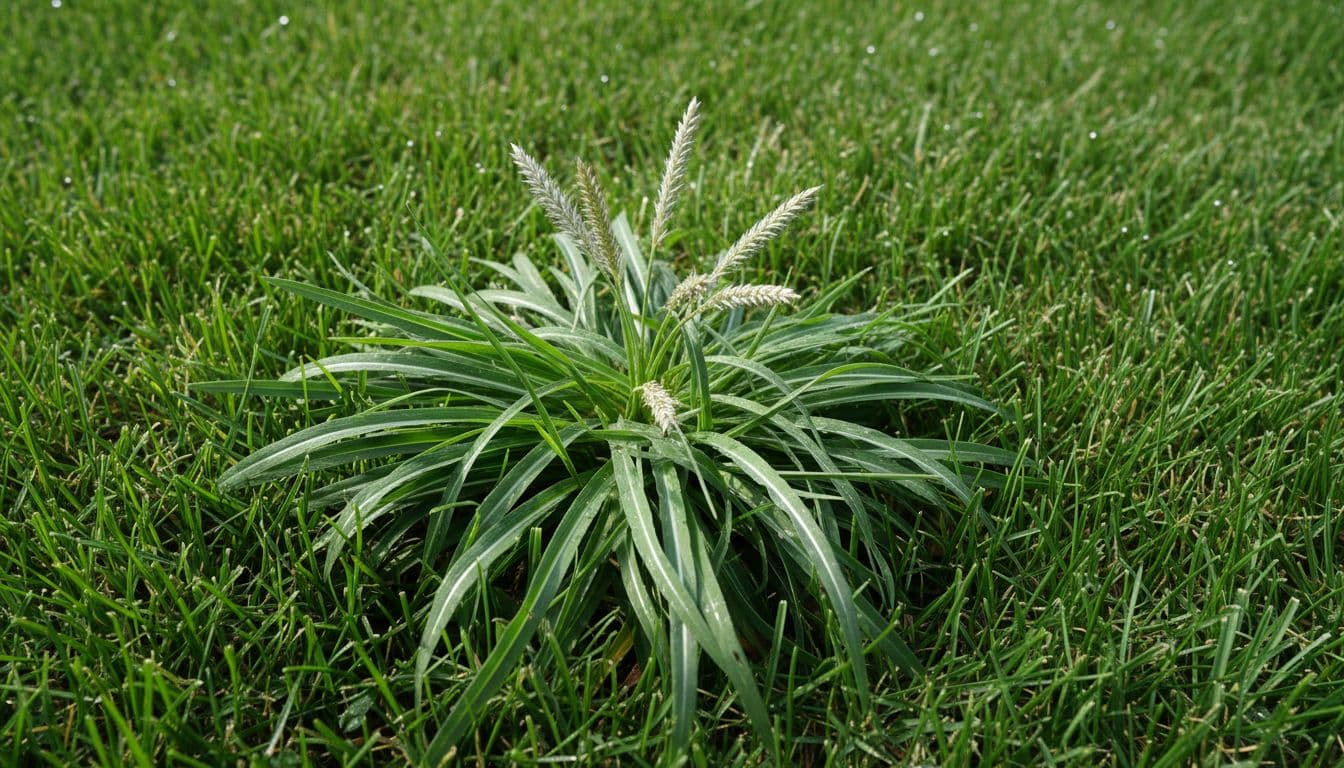
Crabgrass usually looks broader and less flattened. Goosegrass also loves compacted hot spots, so check along sidewalks, curb strips, mower turn areas, and spots where kids or pets run the same path.
If you're not sure what grass you have, confirm that first. Herbicide tolerance changes by turf type and sometimes by cultivar. This guide on choosing between Bermuda and Zoysia in Metro Atlanta can help if your lawn has mixed traits.
Seasonal Timing for Atlanta Goosegrass Control
Timing does most of the heavy lifting. Once goosegrass matures, control gets slower and the risk to turf goes up.
This quick calendar fits many North Georgia lawns:
| Season | What to do | Main caution |
|---|---|---|
| Late winter to early spring | Apply pre-emergent before germination, especially in lawns with past pressure | Don't guess if you plan to seed or plug |
| Mid to late spring | Scout for seedlings and spot-treat early escapes while plants are small | Go light during Bermuda or Zoysia green-up |
| Summer | Spot-treat only if labels allow and turf is not heat or drought-stressed | High temperatures can raise injury risk |
| Early fall | Fix compaction, drainage, and thin turf so next year is easier | Late sprays near dormancy often give weaker results |
In North Georgia, the trap is waiting until June seedheads show. By then, the weed is older, tougher, and harder to remove without stressing the lawn. Early scouting in May usually pays off.
The big idea is simple. Pre-emergent stops many plants before they start, while post-emergent works best on young plants. That's why professional programs often combine pre-emergent, post-emergent, and cultural control instead of relying on one step.
For broader seasonal spray timing, RW Lawn Co's Atlanta post-emergent weed control calendar for Bermuda and Zoysia is a helpful companion.
Turf-Safe Herbicide Tips for Bermuda and Zoysia
With atlanta goosegrass control, the label matters more than the brand name. Read the turf tolerance section first, then the temperature limits, then the mixing and repeat intervals.
Some grassy-weed herbicides are labeled for Bermuda but not for every Zoysia lawn. Others may be allowed on both, yet only when turf is fully established and not under stress. That's why a spray that worked for a neighbor can still mark up your yard.
Read herbicide labels for turf tolerance , temperature restrictions, and re-treatment intervals before you mix anything.
Also avoid spraying when the lawn is scalped, wilted, or pushing through spring transition. Many labels limit use in higher heat, and some call for spot-treatment only. If the lawn looks tired before you spray, it will often look worse after.
Calibrate the sprayer, mix only what you need, and keep applications targeted. If your yard has a few cool-season patches, don't blanket-spray the whole area. Two careful applications usually beat one heavy one.
Cultural Fixes That Make Goosegrass Less Likely
A lawn that closes ranks leaves less room for weeds. That's why cultural control matters so much with goosegrass.
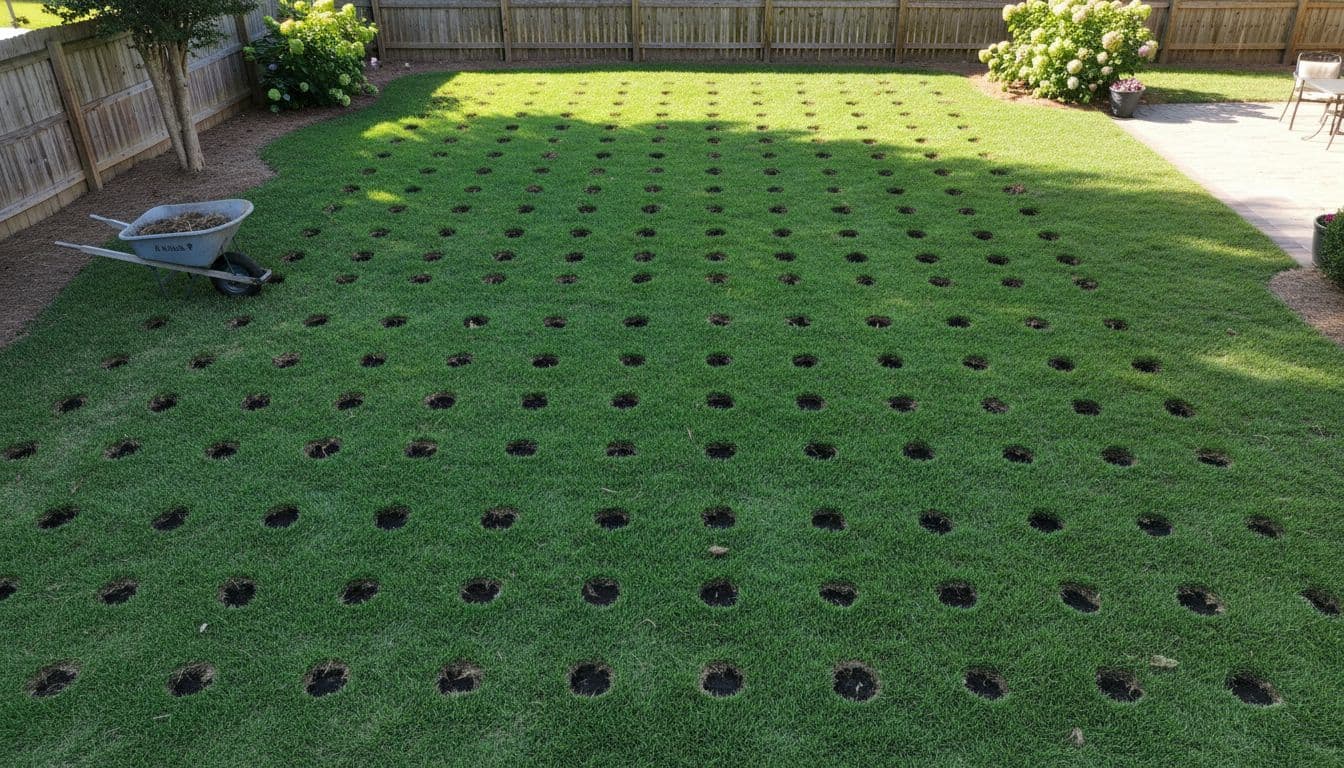
Start with compaction. Goosegrass often thrives in hard soil, especially in Atlanta clay. Core aeration during active growth can open the soil, improve root growth, and help water move through instead of pooling at the surface.
Next, fix drainage where water lingers. Extend downspouts, correct low spots, and avoid daily shallow watering. Then keep mowing at a height that supports density, not scalp damage. Thin turf is an invitation.
Feeding also matters, but more isn't always better. Bermuda usually handles a stronger summer push than Zoysia, while Zoysia can get puffy and stressed if overfed. A steady month-by-month nitrogen plan for Atlanta lawns helps you build thickness without creating new problems.
Also repair bare spots during the warm growing season. Bermuda and Zoysia can close small openings, but large thin areas may need plugs or sod. The faster turf covers the soil, the less room goosegrass gets.
Strong atlanta goosegrass control comes from early timing, label-first decisions, and a healthier lawn surface. Kill the current plants, but also change the conditions that helped them move in.
If the same patches return every summer, it may be time for a full lawn program instead of one-off treatments. A good plan makes Bermuda and Zoysia thick enough to fight back on their own.