Atlanta Signalgrass Control for Bermuda and Zoysia Lawns
Signalgrass can turn a solid Atlanta lawn into a rough, patchy mess by mid-summer. Once it gets thick and starts spreading, signalgrass control gets harder and the risk to your Bermuda or Zoysia goes up.
The good news is you don't need a mystery spray or a heavy-handed plan. In North Georgia, the best results come from early identification, spring prevention, and careful spot treatment before the weed gets mature.
How to spot signalgrass before it takes over
Signalgrass often shows up where warm-season turf is thin, scalped, compacted, or stressed by heat. In Atlanta lawns, that usually means sunny edges, bare spots, driveway borders, and weak areas that never filled in after spring green-up.
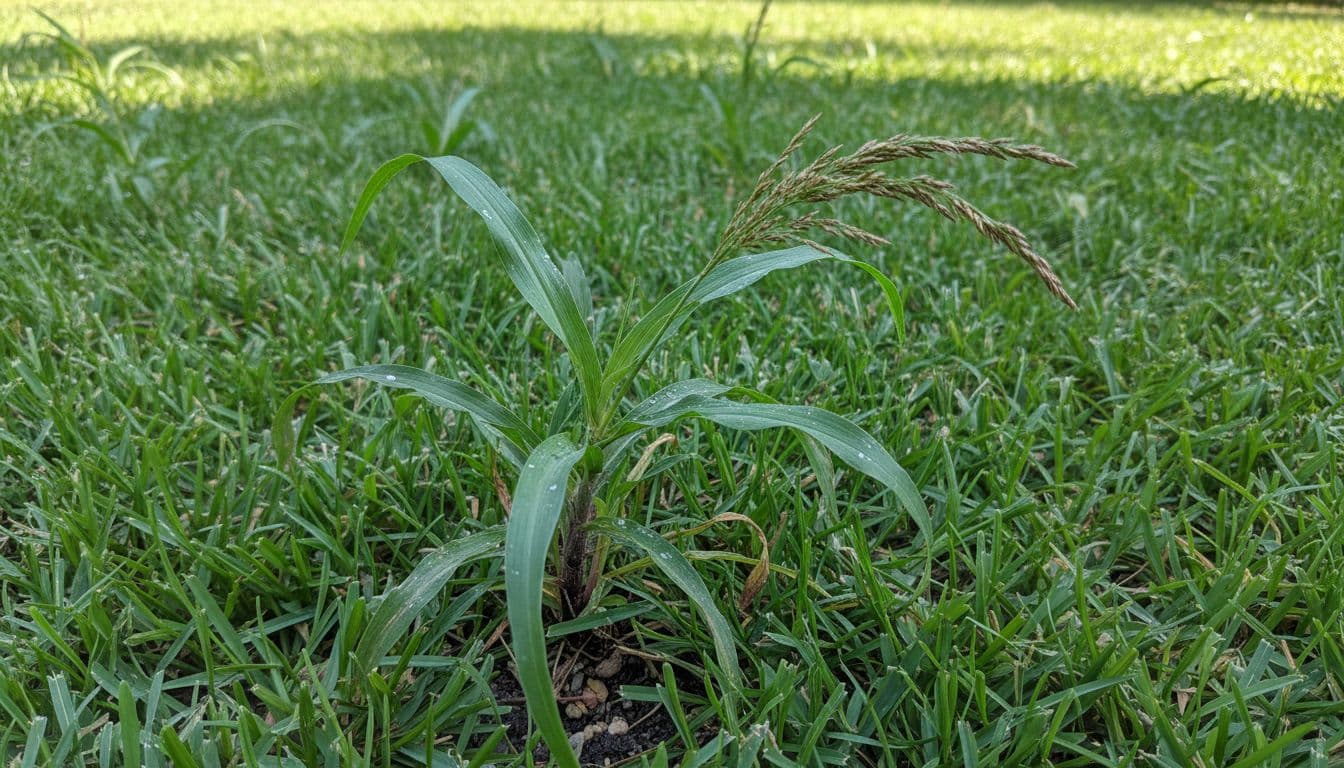
It can look a lot like crabgrass at first. However, signalgrass often sits flatter, feels coarser, and forms a wider clump as it matures. By the time you see thick crowns and seedheads, control gets much tougher.
Look for these signs in Bermuda or Zoysia:
- Low, spreading growth : It branches outward instead of growing upright.
- Coarse leaf blades : The texture looks rougher than the surrounding lawn.
- Patchy clumps : It often starts as isolated plants, then widens fast in hot weather.
- Seedheads in summer : Once seedheads show, the plant is already well established.
If you can pull a young plant after rain, do it. Small patches are easier to remove by hand than by spray. On the other hand, don't rip at mature plants in dry soil, because you can leave bare holes for more weeds.
Also, confirm your turf before you treat. Some herbicides that Bermuda handles can injure Zoysia, especially during spring transition. If you're not fully sure what you have, this Metro Atlanta guide to Bermuda vs Zoysia is a smart first stop.
If signalgrass already looks thick and wiry, don't expect one spray to fix it.
Atlanta timing matters more than the product
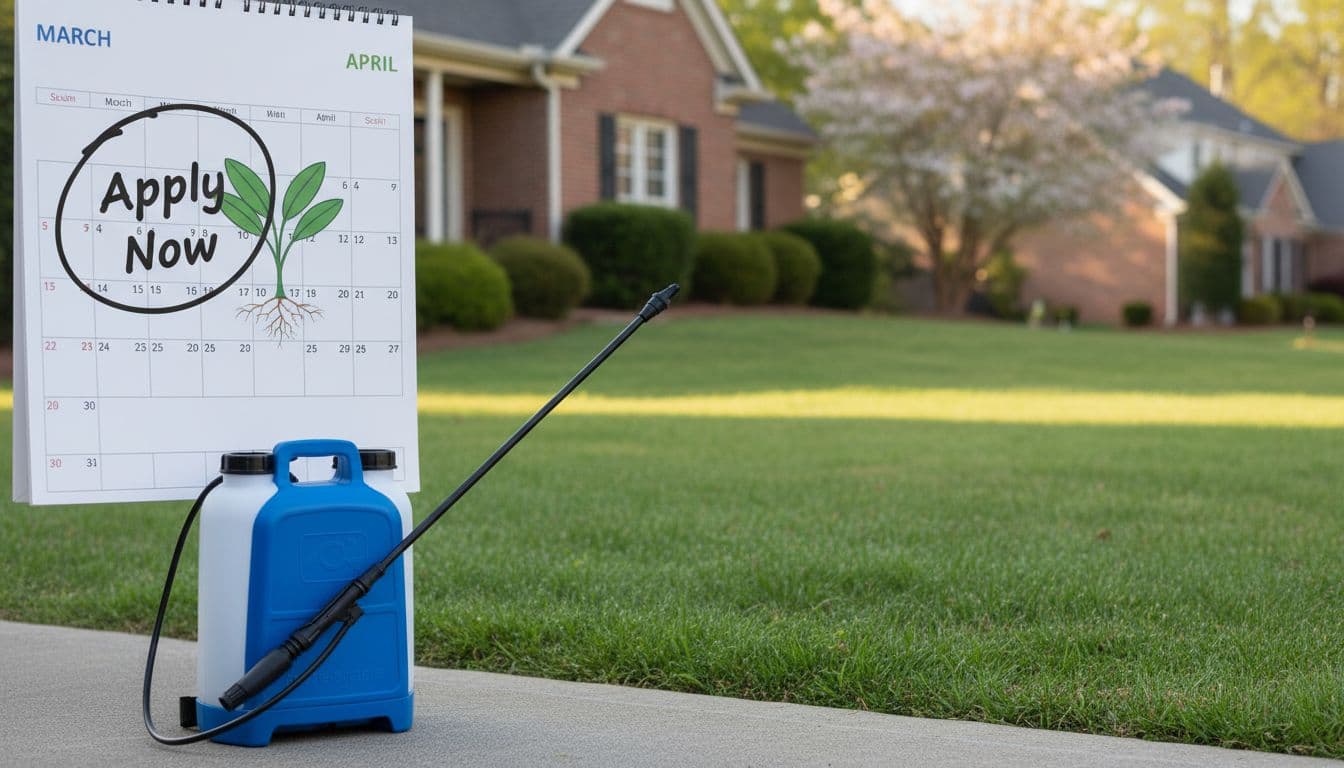
March in Atlanta is usually a prevention window, not a rescue window. Signalgrass is a warm-season grassy weed, so post-emergent control works best later, when the weed is small and actively growing. Spraying too early, especially during Bermuda or Zoysia green-up, often gives weak results and adds turf stress.
For most North Georgia lawns, spring pre-emergent timing matters most. If you're reading this in late March, you're still in the right conversation. The main goal now is to block germination before summer pressure builds.
This quick chart keeps the season straight:
| Season in Atlanta | What to do | What to avoid |
|---|---|---|
| Late winter to early spring | Apply a labeled pre-emergent for summer annual grassy weeds | Heavy post-emergent spraying during green-up |
| Late spring | Scout for young plants and spot-treat early if label allows | Waiting until clumps mature |
| Summer | Treat only small, active signalgrass in mild conditions | Spraying heat-stressed turf or during extreme heat |
| Early fall | Clean up escapes while turf still grows | Letting seedheads stay and spread |
The takeaway is simple. Prevention and early action beat summer rescue work every time.
That also means lawn basics matter. Mow at the proper height, avoid daily shallow watering, and don't scalp the lawn trying to make it look tidy. Thin turf is like an open parking spot, signalgrass slides right in. For early-season lawn setup, see this Atlanta spring green-up plan for Bermuda and Zoysia.
Safe signalgrass control options for Bermuda and Zoysia
Start with the label, not the front of the bottle. Herbicide labels vary by product, rate, timing, and turf type. Always confirm that the exact product is labeled for Bermuda or Zoysia tolerance before you spray.
For prevention, many homeowners use pre-emergent products built for summer annual grassy weeds. Common active ingredients in this category include prodiamine, dithiopyr, and pendimethalin, although control claims vary by label. If your lawn was recently seeded, plugged, or sodded, stop and read the seeding restrictions first.
Post-emergent signalgrass control is harder. Small plants respond much better than mature ones. In some warm-season turf programs, professionals use products specifically labeled for signalgrass suppression or control, including certain pinoxaden-based options. Even then, turf tolerance can differ, and Zoysia labels are often tighter than Bermuda labels.
A few rules protect your lawn:
- Spot-spray, don't blanket-spray, unless the label clearly supports it.
- Never spray drought-stressed, recently scalped, or weak turf.
- Be careful in heat, because many labels limit use when temperatures get too high.
- Don't add surfactant unless the label tells you to.
- Plan for follow-up, because one pass may only suppress the weed.
If you want broader in-season timing help, keep this Atlanta post-emergent weed control calendar handy.
DIY works best on light infestations. If signalgrass covers large sections, keeps coming back, or sits in a mixed Bermuda and Zoysia yard, professional lawn care is often the better move. A pro can confirm the weed, match the product to the turf, and avoid turning a weed problem into a turf recovery problem.
A cleaner lawn starts before summer
Signalgrass wins when lawns are thin, wet, and stressed. It loses when Bermuda or Zoysia stays dense, mowing stays steady, and spring prevention happens on time.
If you're dealing with a few young plants, act early. If you're staring at mature clumps in July, be patient and careful. The best result usually comes from a season-long plan, not a panic spray.
When the weed keeps returning, that's your sign to fix the lawn, not only the symptom. A thicker lawn is still the best long-term signalgrass control.