Atlanta Crabgrass Control for Bermuda and Zoysia Lawns
Crabgrass is the weed that slips into open turf and then seems to own the yard by June. In Metro Atlanta, it usually starts where Bermuda or Zoysia is thin, scalped, compacted, or slow to fill in after winter.
The good news is simple. Strong atlanta crabgrass control starts with prevention, then shifts to careful post-emergent treatment if some plants break through. The catch is timing. Once crabgrass matures and throws seedheads, it gets much harder to kill. Before any application, always confirm the exact product label for turf-type tolerance, temperature limits, and any reseeding, plugging, or sodding restrictions.
Why crabgrass shows up in Atlanta warm-season lawns
Crabgrass is a summer annual grassy weed. It sprouts from seed as soils warm in spring, then spreads fast in thin turf. In Atlanta, that often means sunny edges, bare spots near driveways, compacted clay, and places hammered by spring rain.
Bermuda and Zoysia can crowd it out when they're dense. Still, both grasses have weak moments. Bermuda may green up faster, but it also gets scalped easily on bumpy lawns. Zoysia often greens up later, so open patches can sit exposed longer.
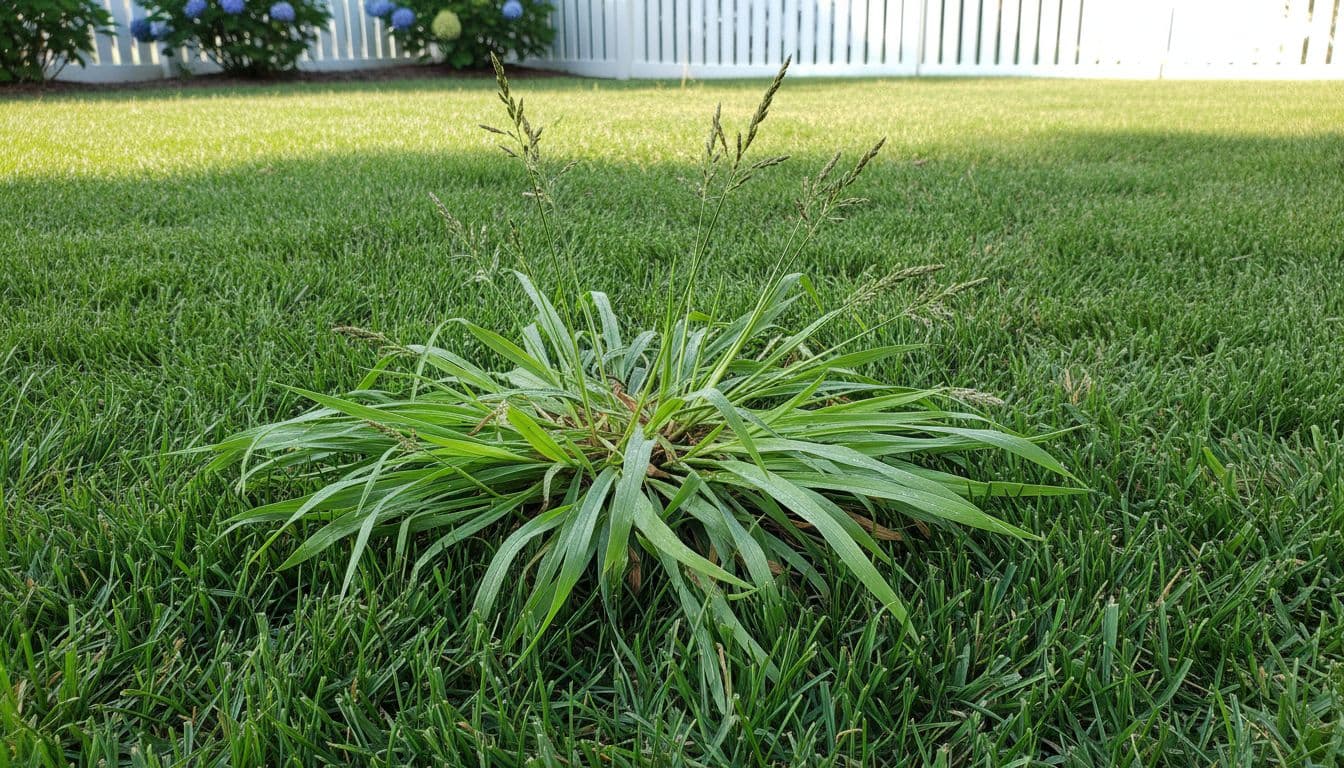
Look for lighter green clumps with wider blades than the surrounding lawn. Young plants hug the ground. Older plants sprawl outward like a star, then send up finger-like seedheads.
If your lawn is just waking up, don't rush it. A solid Atlanta spring green-up plan for Bermuda and Zoysia helps you avoid the classic mistake of mowing too low, then inviting weeds into every thin spot.
Time pre-emergent to Atlanta soil, not the calendar
National dates don't help much here. Atlanta lawns warm unevenly, and south-facing areas near sidewalks or brick walls heat up first. This March, Atlanta soil temps have been running about 55 to 60°F at 2 to 4 inches deep, which means warm pockets are already at or near crabgrass germination.
A better target is this: apply pre-emergent when 4-inch soil temps sit around 50 to 55°F for several days, before crabgrass starts sprouting at 55 to 60°F. In North Georgia, that usually lines up with early to mid-March, around the time forsythia fades and warm-season lawns begin to hint at green-up.
Pre-emergent is prevention. It won't kill crabgrass you can already see.
This quick guide fits most Atlanta-area lawns:
| Atlanta cue | What it means |
|---|---|
| Soil temps at 4 inches reach 50 to 55°F | Pre-emergent window is open |
| Soil temps at 2 to 4 inches reach 55 to 60°F for several days | Crabgrass germination is starting |
| Late March warm spell after a mild winter | Window may be closing fast |
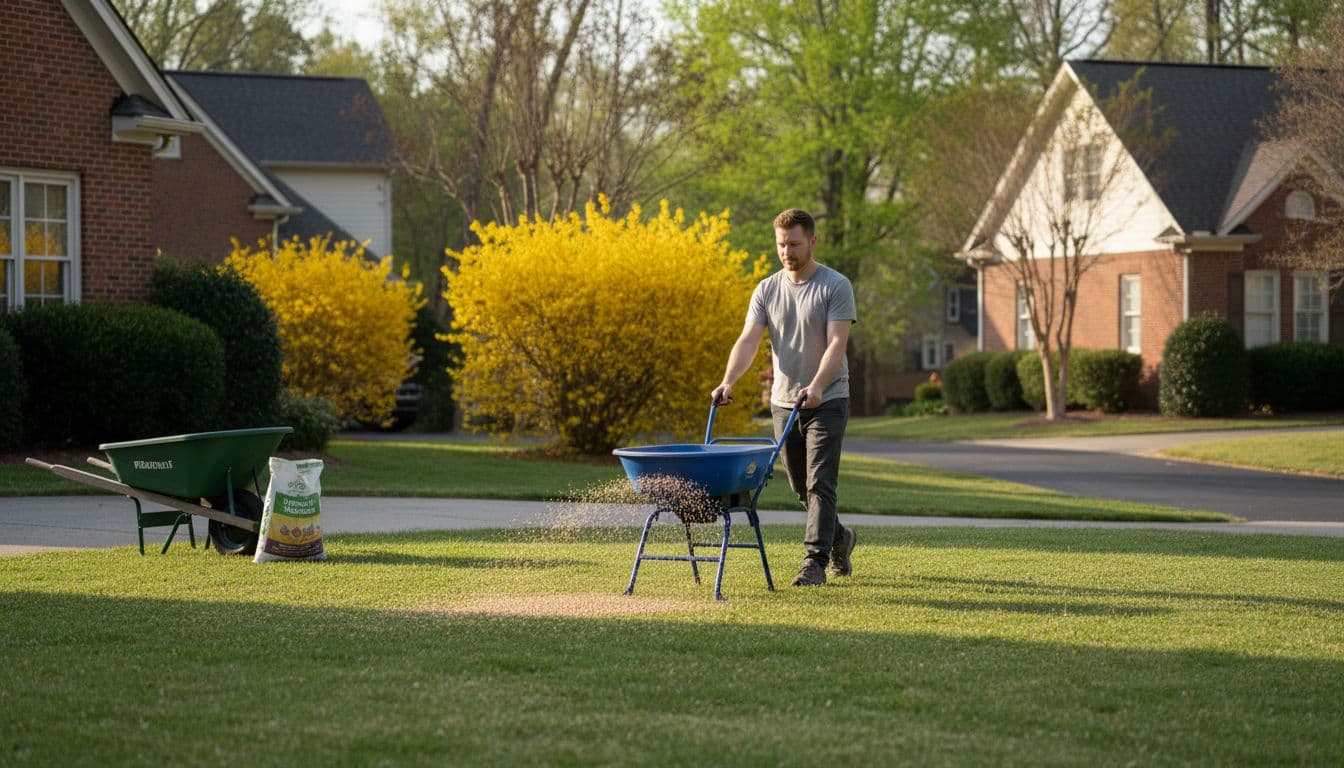
Common pre-emergent active ingredients include prodiamine, dithiopyr, pendimethalin, and indaziflam. Each works a little differently. Some labels allow split applications, which can help in a long Atlanta season or after heavy spring rain. Most also need watering-in to activate, so dry granules left on the surface won't do much.
Here's the big warning. Don't assume any product is safe on all Bermuda and Zoysia lawns. Labels vary by turf cultivar, application rate, air temperature, and whether you plan to seed, plug, or sod later. If you're filling thin spots, check the replant interval before you treat. Some pre-emergents can block new turf for weeks or even longer.
Post-emergent crabgrass control, and when rescue gets harder
Prevention and post-emergent control are not the same job. Pre-emergent stops seeds before they sprout. Post-emergent products target crabgrass plants that are already growing.
That rescue works best on young crabgrass . Small plants with just a few leaves are much easier to control than big, sprawled plants in July. Once crabgrass starts tillering, branching, or throwing seedheads, control slows down and repeat applications are common.
Quinclorac is a common post-emergent active ingredient associated with crabgrass control in established warm-season lawns where labeled. That does not mean every quinclorac product is safe on every Bermuda or Zoysia lawn. Some labels call for a surfactant, others do not. Some restrict use during transition or high heat.
For Atlanta lawns, the riskiest times are spring green-up and peak summer stress. Don't spray a lawn that's drought-stressed, freshly scalped, or struggling through 90-degree heat. Heavy summer rainfall can also cut performance if the spray doesn't get enough dry time.
Spot-treatment beats blanket spraying in most home lawns. It reduces turf stress and helps you see what actually worked. If you want a broader seasonal reference, use this guide to post-emergent herbicide timing for Atlanta crabgrass.
How to make next year's crabgrass fight easier
Crabgrass is an opportunist. It fills gaps. So the long-term fix is a thicker lawn, not just a stronger spray.
Keep mowing consistent, and avoid cutting Bermuda or Zoysia too low on uneven ground. Water deeply and less often, because daily shallow watering keeps the surface damp and friendly to weeds. Feed the lawn only after real green-up, not during late-winter impatience. If you need a local baseline, this Atlanta fertilizer schedule for Bermuda and Zoysia helps line up feeding with actual warm-season growth.
Also fix the weak spots. Compaction, puddling, and washout areas are open doors for crabgrass every spring. Bermuda usually repairs faster once soil warms. Zoysia takes longer, so thin areas need even more protection.
Crabgrass control in Atlanta is mostly a timing problem, not a mystery. Stop it before germination, treat escapes while they're young, and protect the turf from stress. If the lawn is already full of mature crabgrass, patience matters, because late rescue is always harder than early prevention .