Atlanta Leaf Cleanup Plan for Heavy Leaf Yards (oak, sweetgum, pine), weekly schedule and what to do with the piles
If your yard sits under big oaks, sweetgums, or tall pines, fall can feel like you're bailing out a boat with a coffee cup. Leaves drop in waves, sweetgum balls hide in the thatch, and pine needles weave into everything.
The good news is an atlanta leaf cleanup plan doesn't have to mean weekend-long misery. You need the right "flow" for your yard, a simple weekly rhythm, and a smart way to stage piles so you don't clog drains or block sidewalks.
Below is a practical approach for Metro Atlanta homeowners with medium to heavy leaf loads, including what City of Atlanta residents must do, and what to do when the piles get out of hand.
Know your rules first: City of Atlanta leaf and yard waste basics (2026)
Before you rake a single pile to the curb, confirm how your address is serviced. In the City of Atlanta, leaf pickup rules and bulk scheduling can change by season and by service status. Start with the City's official pages, not neighborhood hearsay.
For leaf season requirements, the City spells out bag and container limits in its leaf season collection guidelines. A few details matter a lot for heavy-leaf yards:
- Bag and container limits : Leaves must be in clearly marked bags or containers, and the City notes a 35 lb maximum weight and 32-gallon maximum container size.
- Keep leaf-only loads clean : Don't mix trash or other yard debris into leaf bags.
- Big volumes need scheduling : If you have 21 or more bags , the City directs residents to schedule a bulk collection.
To confirm your collection day and service details, use the Solid Waste Services collection tool. For general updates and service requests, the hub page is the Office of Solid Waste Services (SWS).
One 2026 reality check: City services can pause due to weather and staffing issues. As of late January 2026, public updates indicated yard waste service impacts, so it's smart to check SWS or ATL311 before you stage piles. If you're scheduling bulk pickup, the City's general guidance is to place items out by the evening before your collection window, spaced away from carts and parked cars. For a plain-English overview of how bulk pickup scheduling works in 2026, this local summary is helpful: Atlanta's 2026 bulk trash pickup guide.
If you live outside City limits (common in South Fulton, DeKalb, Cobb, and Gwinnett areas), rules vary widely by provider. In that case, check your city or county sanitation page, or your private hauler, before you assume bags at the curb are allowed.
The fastest way to get fined (or make enemies) is to push leaves into the street. Keep debris out of gutters and storm drains, even during peak drop weeks.
For the "why," Georgia's stormwater guidance explains how yard debris can contribute to clogged systems and pollution, especially when it washes during rain: Georgia Stormwater Management Manual (Pollution Prevention).
Heavy-leaf strategy by tree type (oak vs sweetgum vs pine)
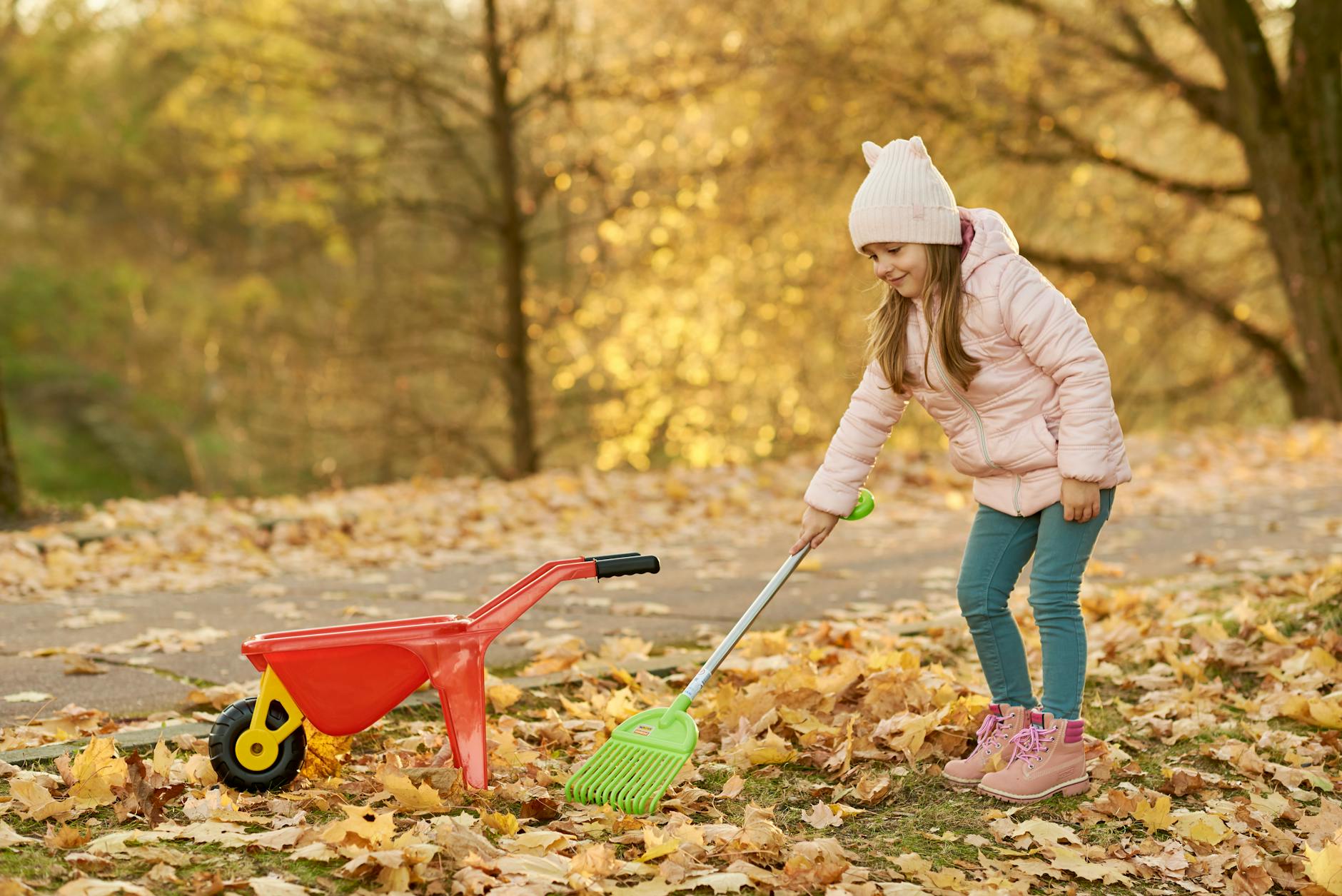
Photo by Polesie Toys
Heavy yards aren't all heavy in the same way. Oak leaves behave like wet blankets, sweetgum drops "spiky marbles," and pine needles create a stitched mat. Treat them differently and you'll spend less time re-doing work.
Oaks: mulch early, rake late
Oak leaves are great mulch when they're dry and chopped fine. Early in the season, you can often mulch in place with a sharp blade, as long as you don't see piles on the surface. Your goal is "confetti," not a patchwork quilt.
Once drops get thick (or after rain), switch tactics. Rake or blow into windrows, then tarp them off the lawn. Oak leaves left matted for long periods can block light and trap moisture against turf.
Sweetgum: separate the balls from the leaves
Sweetgum leaves shred fine, but the gum balls don't. If you mulch over gum balls, they can become ankle-biters all winter and a mower projectile in spring.
A better flow is:
- Collect gum balls first (by hand, with a lawn sweeper, or a nut roller tool).
- Mulch the leaves on a dry day.
- Rake what's left into a controlled pile.
If you have kids or pets, prioritize gum ball pickup in play areas and walk paths.
Pines: don't fight every needle, manage the mats
Pine needles fall for months, and they love to tangle in bermuda runners and zoysia blades. Light needle drops can be mulched into the lawn. Thick mats, especially in shade, should be raked out so the turf can breathe.
Pine needles also make excellent bed mulch. If you have shrubs, azaleas, or a tree ring, you can move clean needles there instead of bagging them.
One more detail that saves lawns: keep your mowing height realistic. Cutting too low during leaf season makes scalping more likely when you hit hidden sticks or uneven ground. If you want a simple reference for warm-season grass heights, see RW Lawn Co's Atlanta mowing height guide for Bermuda and Zoysia.
A weekly Atlanta leaf cleanup schedule (plus what to do with the piles)
Most heavy yards fail for one reason: leaves get handled once, then ignored for two weeks, then they turn into a soggy mattress. Instead, plan for short, repeatable sessions. During peak drop (often mid-fall through early winter), this schedule keeps the lawn clean without stealing your whole weekend.
Here's a simple weekly rhythm you can repeat. Shift the days to match your trash and yard waste pickup.
| Day | 20 to 45-minute focus | Why it matters | What to do with the piles |
|---|---|---|---|
| Mon or Tue | Blow or rake hard surfaces (drive, walk, porch) | Prevents slippery spots and keeps leaves out of curb drains | Tarp to a staging area, don't push into the street |
| Wed | Mow and mulch if the lawn is only lightly covered | Keeps leaves from matting, returns organic matter | If you see clumps, bag that cut or mow twice |
| Fri | Rake out shade corners and under shrubs | Shady mats cause thinning and mud | Bag leaves or tarp them to a bulk pile area |
| Weekend | Build "final piles," stage curb set-out (if allowed) | Consolidation beats scattered mess | Bag within City limits rules, schedule bulk for large volumes |
The key is sorting material into three "end points," so piles don't sit and spread back out:
- Mulch-in-place material : Dry leaves on turf that shred fine and disappear after mowing.
- Bag material : Wet mats, leaf packs from shade corners, and anything you need off the lawn fast.
- Bulk material : Large volumes that exceed normal weekly set-out, especially if you're hitting 21-plus bags in the City of Atlanta (schedule pickup per City guidance).
Staging piles at the curb without creating a problem
Even when curb placement is allowed, keep it clean and respectful. Make piles neat, keep sidewalks passable, and stay well clear of storm drains. Also leave room around carts, mailboxes, and parked cars. If your provider says "set out on your collection day," treat that like a deadline, not a suggestion.
Dry days help. Wet leaf piles get heavy fast, and that's how bags rip and bins become impossible to move.
If you only do 3 things each week
- Mulch once when leaves are dry, so they don't build into mats.
- Clear drains and walkways before the next rain.
- Consolidate and remove the worst piles weekly (bag, compost, or schedule bulk), don't "save it all" for one giant weekend.
Typical heavy-leaf yard timeline (what it looks like in real life)
Picture a shaded front yard with two mature oaks, a sweetgum near the driveway, and pines along the back fence.
Week 1: Light drops start. You mulch weekly and spot-rake corners.
Week 2: First big oak wave. You mulch, then tarp what the mower can't swallow.
Week 3: Rain hits, leaves mat in shade. You rake and bag the heavy mats.
Week 4: Sweetgum balls show up. You collect them first, then do a mulch pass.
Weeks 5 to 8: Repeat the weekly rhythm, then schedule bulk if piles outgrow normal set-out.
After leaf season, your spring lawn work gets easier because the turf isn't smothered. When you're ready to shift from cleanup to growth, RW Lawn Co's Atlanta spring green-up plan for Bermuda and Zoysia is a solid next step.
Conclusion
A heavy yard doesn't need heroic weekends. It needs a steady plan, clear sorting (mulch, bag, bulk), and curb set-out that follows local rules. Keep leaves out of streets and drains, protect shaded turf from mats, and stay consistent through the biggest drop weeks. If you keep up with atlanta leaf cleanup weekly, spring arrives with grass, not mud and bare spots.