Atlanta Shrub Planting Guide for Georgia Red Clay
A shrub can look healthy at the nursery and still struggle in an Atlanta yard where rain sits on dense soil or summer heat dries it hard. Atlanta shrub planting works best when you match the plant to the site, then prepare the bed so roots can spread into the surrounding clay.
Fall and early spring are generally the easiest planting seasons, while drainage, planting depth, and steady watering shape how well shrubs settle in. Start by reading the yard after rain, then choose and plant for the conditions you actually have.
Key Takeaways
- Check where water pools and how much sun the planting area gets before choosing shrubs.
- Plant in fall or early spring when the soil is workable, not saturated or baked dry.
- Prepare a broad bed rather than filling an isolated planting hole with rich amended soil.
- Keep the root flare visible and set the top of the root ball level with, or slightly above, surrounding grade.
- Water thoroughly after planting, then check soil moisture before watering again.
- Mulch the bed to cover bare soil, but keep mulch away from stems and trunks.
Understand Atlanta's Clay Before Planting
Georgia red clay can hold water after heavy rain, then dry into hard, cracked ground during a dry spell. Those shifts affect how much oxygen and moisture roots can reach.
Read the soil and the slope
Notice what happens during and after rain. Does water run quickly down a slope, collect in a shallow dip, or remain near the foundation? A low area that stays wet for days may not suit a shrub that prefers well-drained soil. A slope that sheds water quickly can leave new plantings dry even when the yard has received rain.
Also look for compacted ground near driveways, paths, construction areas, and frequently mowed lawn edges. Compacted clay limits root growth, so loosening a wider planting bed is more useful than digging a small, deep hole.
Track sunlight and nearby roots
Watch the bed at different times of day. A spot that gets morning sun and afternoon shade has different conditions from one exposed to full sun. Large trees also compete for moisture and root space, while buildings and paving can intensify heat.
These details help narrow the shrub choices before you buy. Choose plants for the light and moisture the site offers, rather than trying to force a plant into a difficult spot.
Choose Shrubs for the Purpose and Location
Start with the job the planting needs to do. A privacy screen calls for a different shape and growth habit than a low border or a flowering accent. In each case, choose for Atlanta-area heat, the bed's drainage, and the shrub's mature size.
Match the plant to the job
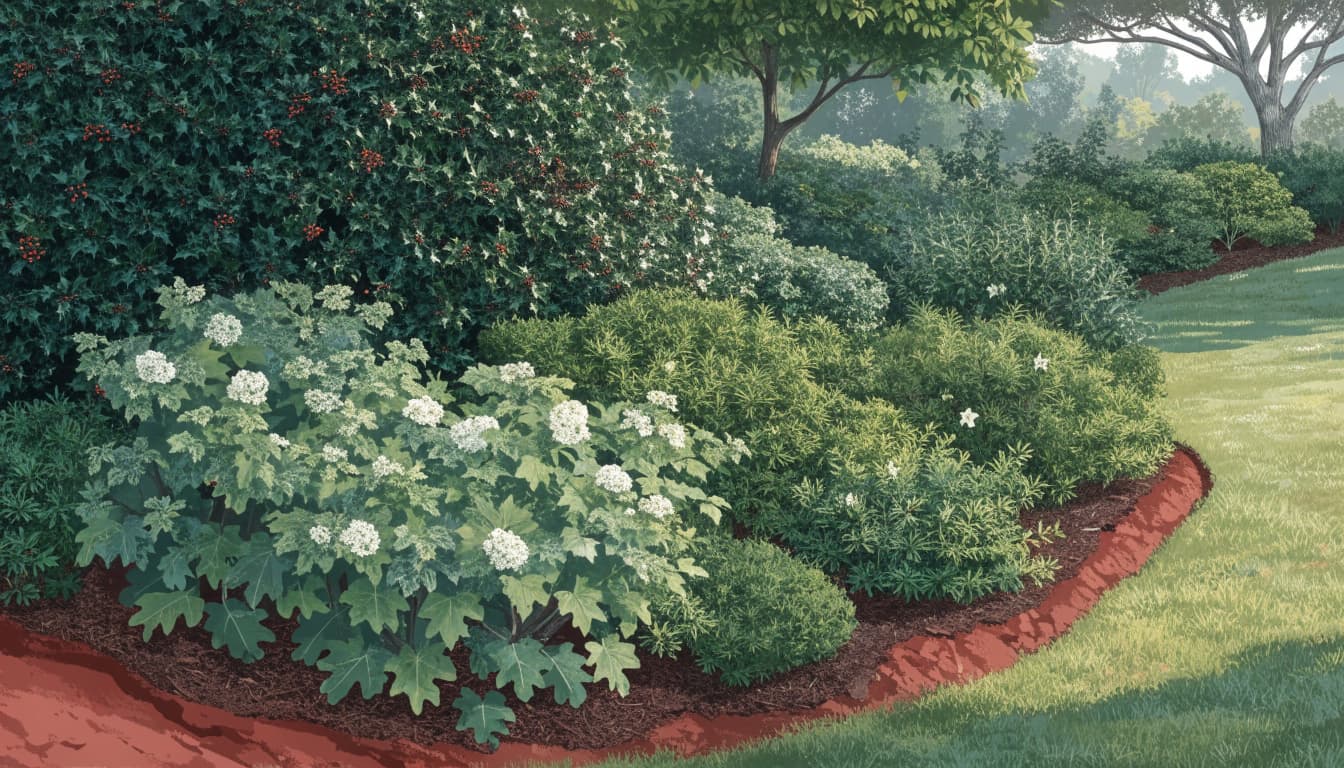
For year-round screening, look for evergreen shrubs that can form a dense, maintainable row. Flowering shrubs can add seasonal color, but their mature form and light needs should fit the space. A mixed screen can also reduce the risk of losing an entire row if one type struggles.
For more ideas focused on screening, see our guide to privacy shrubs for Atlanta yards. Use those plant profiles alongside your own site observations, especially if the planting area stays wet or receives strong afternoon sun.
Allow room for mature growth
Read the expected height and width before setting out a row. Shrubs planted too close together compete for light and air as they mature, and tight spacing makes trimming harder. Allow enough room for the mature plants while keeping the screen close enough to provide the coverage you want.
Think about nearby windows, walkways, fences, and lawn edges as well. A plant that fits at installation may quickly crowd a narrow path or require frequent cutting if its full size isn't part of the plan.
Pick a Planting Window That Gives Roots Time
Fall and early spring are usually the most forgiving seasons for planting shrubs in Metro Atlanta. Cooler weather reduces heat stress, and the soil is often easier to work than during summer. The precise window depends on weather and the site, so focus on soil conditions rather than a fixed date.
Plant when the soil is workable
Choose a period when the ground is moist but not waterlogged. Clay is difficult to shape when saturated, and working wet soil can compact it further. If the soil is extremely dry and hard, water the planting area lightly and allow time for moisture to move through before digging.
Fall planting gives roots a chance to settle before the next summer heat. Early spring is another practical choice, especially when the bed is ready and you can water consistently as temperatures rise.
Avoid periods of high stress
New shrubs need time to adjust, so avoid planting during severe heat or when the ground is flooded, frozen, or too hard to dig. A newly installed root ball can dry out faster than the surrounding clay, even after rainfall.
If you have to plant during warmer weather, pay close attention to moisture. Water according to the soil's condition rather than a rigid schedule, and don't let the root ball dry completely between checks.
Solve Drainage Problems Before You Plant
A planting hole in clay can collect water if the surrounding ground drains slowly. Before digging, watch the area after a storm and check whether water flows toward or away from the bed. Shrubs can't correct a drainage problem simply by growing larger.
Find the source of standing water
Look for downspouts that discharge beside the bed, slopes that direct runoff into it, or compacted areas that shed water instead of absorbing it. If water remains around the proposed planting area, consider whether the site needs a broader drainage solution before shrubs go in.
Our guide to yard drainage options for Georgia properties explains common approaches for wet yards. A persistent grade problem may call for more extensive site work; see our information on planning a yard grading project in Georgia.
Treat slopes as part of the planting plan
On a slope, water may rush past new shrubs before it soaks in. Keep the planting bed stable, and avoid placing shrubs where runoff will expose roots or wash mulch downhill. If the slope needs structural support, planting alone may not solve the problem. Our overview of retaining wall options for Georgia landscapes covers one approach for sloped properties.
Prepare Red Clay Without Over-Amending
A planting bed should help roots move into the native soil, not create a soft pocket that ends abruptly at the clay. Improve the broader bed where practical and keep soil changes modest.
Prepare a wider planting area
Remove weeds, turf, and debris across the bed. Loosen compacted soil without working it when wet. If you add compost, mix a modest amount through the wider planting area rather than creating a rich, isolated pocket around each shrub.
Backfill with the soil removed from the planting area, breaking up large clods as you go. Avoid filling the hole with a dramatically different mix. Water can behave differently across the boundary between amended soil and dense clay, leaving roots confined to the planting pocket.
Set the shrub at the right depth
Dig a hole wide enough to give the root ball room, but no deeper than needed to keep the root flare at the correct height. The root flare, where the main roots meet the base of the stems, should remain visible. Set the top of the root ball level with the surrounding ground or slightly above it where drainage is slow.
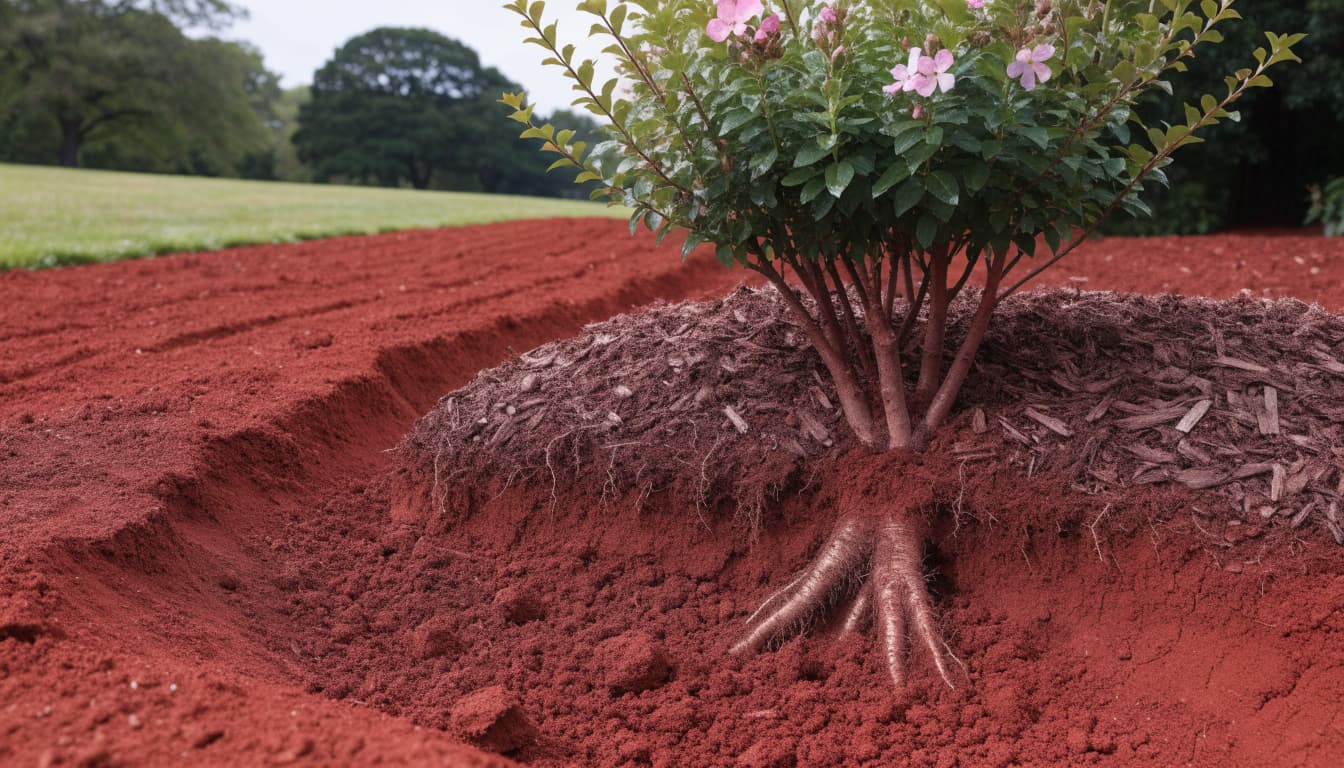
Backfill gently and water to settle soil around the roots. Don't tamp the clay hard or bury the stems. In a low spot where water lingers, a modestly raised planting area may help keep the root ball from sitting in a basin.
Water and Mulch for Establishment
New shrubs need a thorough drink after planting. After that, the goal is to keep the root zone moist without leaving it saturated. Clay holds water longer than many gardeners expect, so frequent watering by habit can do more harm than good.
Check moisture before watering again
Water slowly over the root ball and nearby soil so moisture reaches the roots instead of running off the surface. Then feel the soil beneath the mulch before watering again. If it remains moist, wait. If the root zone has dried, water thoroughly.
Pay closer attention during hot, dry weather and in sunny beds. Rainfall may not reach a root ball under dense foliage or beneath an overhang, and a sunny spot beside pavement may dry faster than a shaded bed.
Keep mulch off the stems
Cover bare soil with mulch to reduce surface crusting and help maintain moisture. Keep it pulled back from shrub stems so the base stays exposed and air can circulate. Piled mulch can hide the root flare and hold excess moisture against the plant.
Refresh the layer as it breaks down rather than adding new material on top each time. A clean bed edge also helps keep grass from creeping toward young shrubs. RW Lawn Co provides Atlanta planting and landscape enhancement services, including planting, mulch installation, and bed maintenance.
Maintain Shrubs Through Atlanta's Growing Season
Once shrubs settle in, check them regularly for dry soil, standing water, damaged stems, and signs of crowding. Small adjustments are easier than waiting until a hedge becomes overgrown or a plant starts declining.
Prune with the shrub's growth in mind
In Metro Atlanta, the main shaping window for many shrubs is late winter to early spring. Light touch-ups can happen later, but avoid major shaping after mid-August. Late-season cuts can prompt new growth that has less time to harden before cold weather.
The right approach depends on the plant. Boxwoods need a careful hand, hollies vary by type, and fast-growing ligustrum may need repeat trimming. See our recommendations for seasonal shrub pruning in Metro Atlanta.
Adjust care to changing conditions
After a heavy storm, look for standing water and exposed roots. During dry spells, check beneath the mulch instead of relying on how the surface looks. As shrubs grow, thin crowded branches and maintain enough space between plants for air to move through the screen.
If a shrub repeatedly struggles in the same spot, reassess the light, drainage, and available root space. Replacing it with another plant without addressing the site can lead to the same problem.
Frequently Asked Questions
Can shrubs grow in Georgia red clay?
Yes. Clay soil doesn't rule out shrubs, but it affects drainage, moisture, and how roots spread. Choose plants that suit the site's sun and water conditions, prepare a broad bed, and avoid planting too deeply.
Should I add compost to every planting hole?
Use amendments sparingly and across the broader bed where possible. A heavily amended pocket surrounded by dense clay can hold water differently from the surrounding soil and limit how roots move outward.
How do I know when a new shrub needs water?
Check the soil at the root ball and just below the mulch. Water when that area has started to dry, and wait if it remains moist. Clay can stay wet after the surface looks dry, so use the root zone as your guide.
Give Each Shrub a Strong Start
Successful shrub planting in Atlanta begins with a site that suits the plant. Read the drainage, choose for mature size and light, and prepare the clay without isolating roots in an amended pocket.
Keep the root flare visible, water according to soil moisture, and mulch without covering the stems. Those practical steps help shrubs establish and make a landscape bed easier to maintain over time.