Atlanta Tree Watering Guide for New and Mature Trees
Atlanta trees face a difficult mix of summer heat, heavy storms, compacted soil, and occasional drought. A reliable Atlanta tree watering routine must respond to the soil and weather, not only to a timer.
Newly planted trees need closer attention than established trees, but mature trees can still suffer during long dry stretches. The safest approach is to check moisture, water slowly, and adjust after rain, heat, and drainage problems.
Why Atlanta tree watering requires careful timing
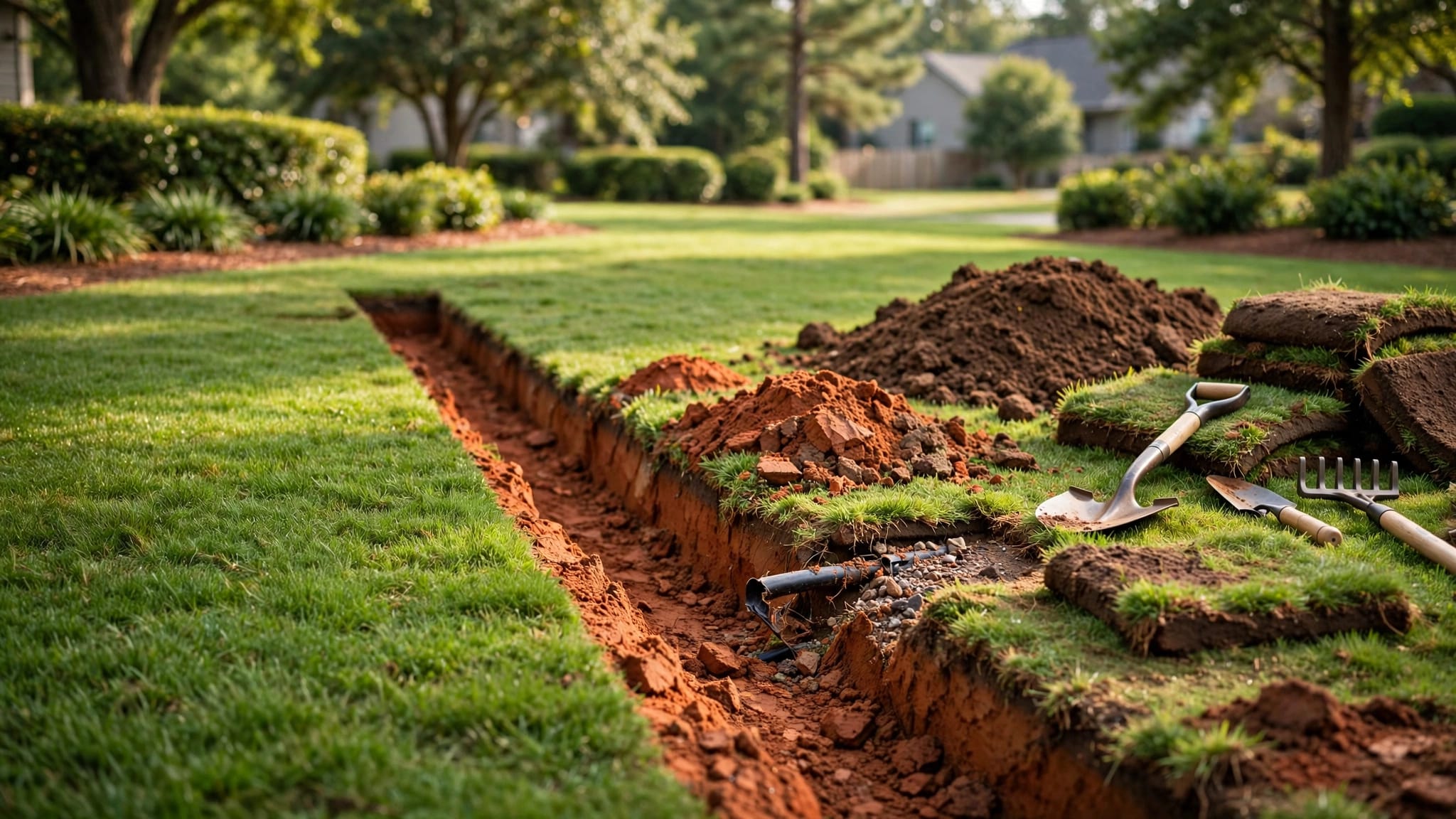
Atlanta's red Piedmont clay can hold water after a storm, then dry hard and crack during hot weather. Compaction makes the problem worse. Water may sit around roots in one area while running off another.
Clay soil can hold too much water
Tree roots need oxygen as well as moisture. When a planting hole stays saturated, fine roots may weaken or decay even though the tree appears to receive plenty of water.
Heavy clay can also repel water at the surface. A hose or sprinkler may run for several minutes while water moves downhill instead of soaking into the root zone. Low areas, slopes, construction damage, and foot traffic can all change how quickly water enters the soil.
Check the soil below the mulch before watering. If it remains damp several inches down, wait. If it feels dry and crumbly, provide a slow soak and check the area again later.
Lawn irrigation is not a tree schedule
A lawn watering plan can help you understand rainfall and irrigation, but it shouldn't be copied directly for trees. The Atlanta lawn watering schedule discusses Bermuda grass, Zoysia grass, and tall fescue in USDA zones 7b and 8a. Those plants have different root systems and seasonal needs than trees.
Tree roots may extend well beyond the area covered by turf sprinklers. A mature tree can also sit beneath a canopy where lawn irrigation never reaches the soil. Use lawn numbers as background information, then make tree decisions based on soil moisture, tree age, rainfall, and drainage.
Watering a newly planted tree in Atlanta
New trees need a dependable water source for about the first 12 months after installation. That applies even when planting occurs during fall or winter. Cooler weather reduces stress, but the root ball still needs moisture while roots settle into the surrounding soil.
Start with a thorough soak
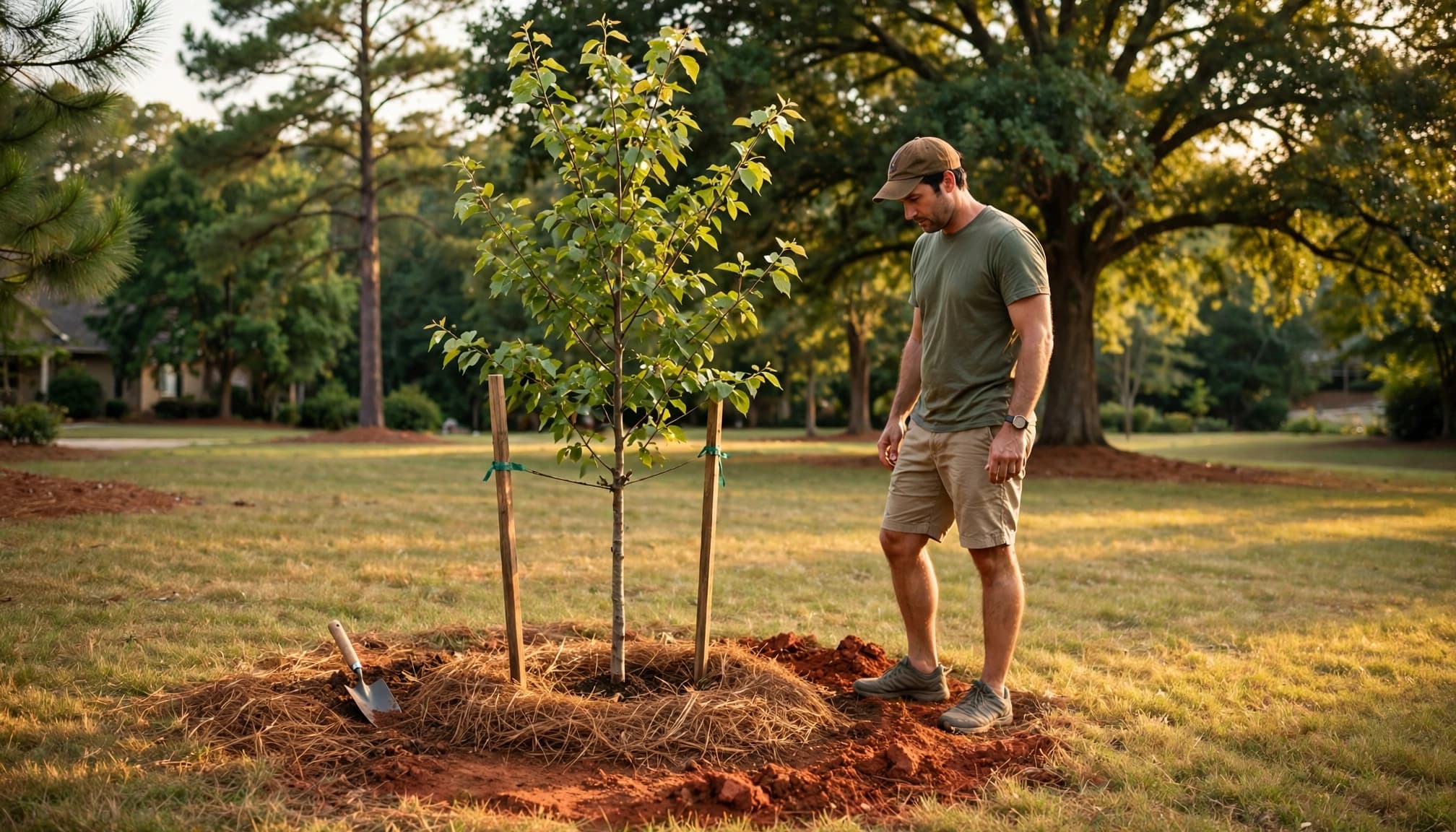
At planting, water until the root ball and nearby backfill are thoroughly wet. Apply the water slowly enough that it enters the soil instead of flowing across the surface.
During dry weather, a useful starting point for many newly planted trees is about one inch of total water per week, including rainfall, through the first two growing seasons. Treat that figure as a guide, not an automatic rule. A tree in compacted clay may need slower applications, while one in a poorly drained area may need less frequent watering.
Adjust the routine when:
- Recent rain has soaked the soil several inches down.
- Temperatures rise into a prolonged hot, dry stretch.
- The planting area slopes or sheds water.
- The tree sits beside pavement, a wall, or a sunny driveway.
- The soil remains wet for several days after rain.
Apply water across the root ball
Place a hose near the outer edge of the root ball and let water flow at a low rate. Move it around the planting area so one side doesn't stay saturated while the opposite side dries out.
Avoid spraying the trunk or flooding the planting hole. Planting too deeply can already reduce oxygen near the roots and hold moisture against the bark. The root flare should remain visible, and the trunk should never sit inside a mound of soil or mulch.
A newly planted tree may look stable above ground while its roots remain vulnerable below ground. Check the soil regularly during the first growing season, especially after a week of high temperatures or little rain.
Maintain mulch without covering the bark
Mulch helps slow evaporation and reduces competition from turf. Apply it evenly around the planting area, generally about 2 to 3 inches deep, while leaving a clear space around the trunk. Some planting plans use a slightly deeper organic layer, but piling mulch against bark creates a damp environment that can invite decay and pests.
A clean mulch ring also makes moisture checks easier. RW Lawn Co provides Atlanta landscaping and mulch services for homeowners who need help refreshing beds or maintaining planting areas.
Watering mature trees during Atlanta summer
Established trees usually need less frequent attention than new plantings. They still benefit from supplemental water during extended dry weather, especially when nearby lawn sprinklers don't reach beneath the canopy.
Cover the active root area slowly
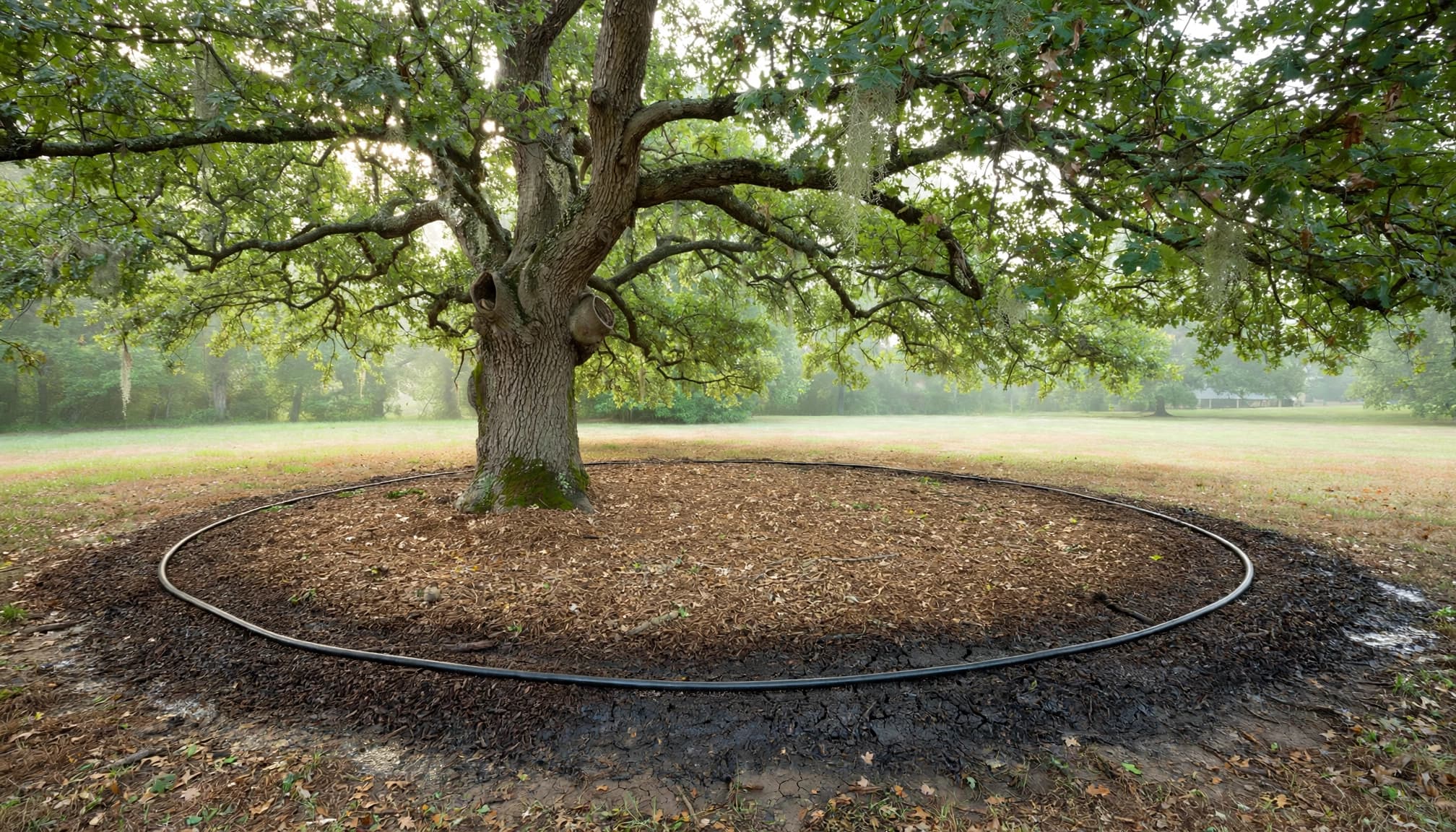
Use a soaker hose or low-flow setting to wet the soil beneath the canopy. Spread the hose across several areas instead of leaving it beside the trunk. Mature roots often extend beyond the area directly under the tree, so avoid concentrating every watering session in one small circle.
Let the soil absorb water gradually. Atlanta clay may need short cycles with pauses between them, particularly on slopes or compacted ground. If water begins running toward a sidewalk or street, stop the flow and allow the soil to absorb what it has received.
The goal is steady moisture below the surface, not a constantly wet top layer. Check several inches down before repeating the watering.
Keep water away from the trunk
Tree trunks need air and dry bark. Directing a hose against the trunk can create conditions that encourage decay, especially where mulch or soil already sits too high.
Water the soil around the tree instead. Keep lawn equipment, brush piles, and heavy layers of leaves away from the base. If heavy rain washes soil or mulch downhill and exposes roots, correct the runoff source rather than burying the roots under additional fill.
How to adjust watering after rain and heat
Atlanta weather can change quickly. A heavy afternoon storm may leave the surface muddy while deeper clay remains dry in one part of the yard. In another area, the same storm may leave water trapped around the roots.
After rainfall, push a narrow hand tool or your finger into the soil below the mulch. If the soil is cool and moist several inches down, delay watering. If only the surface is damp and deeper soil is dry, use a slow application.
During a hot, dry stretch, inspect young trees every few days. Pay attention to trees near pavement, south-facing walls, exposed slopes, and recently disturbed soil. Mature trees usually tolerate longer gaps, but they may need supplemental water when rainfall misses the root area for an extended period.
Avoid watering by calendar alone. A practical routine looks at four conditions:
- Tree age: New trees need closer monitoring.
- Soil moisture: Dry soil calls for water; saturated soil calls for a pause.
- Recent rainfall: Count useful rain that reached the root zone.
- Drainage: Pooling or runoff means the site may need correction, not more water.
Check current local watering rules before changing an automatic irrigation schedule. Drought conditions, city requirements, county notices, and water-provider guidance can change.
Common Atlanta tree watering mistakes
Most tree watering problems come from applying water at the wrong speed, in the wrong place, or without checking the soil first.
Watering shallowly and too often
Light daily sprinkling may wet only the top layer of soil. That pattern can leave deeper roots dry while keeping the surface damp. It can also encourage shallow root growth around newly planted trees.
Use slower, more thorough applications, then allow the soil to absorb the water before repeating the process. On clay, cycle-and-soak methods often work better than one long application that creates runoff.
Adding water to a drainage problem
Yellowing leaves, weak growth, and dieback don't always mean drought. Roots in saturated clay can show similar symptoms because they lack oxygen.
Look for standing water, a muddy planting area, sour-smelling soil, or moisture that remains several days after rain. Fix concentrated runoff, poor grading, or a low spot before increasing irrigation. Never cover a recurring drainage problem with extra soil around a mature tree.
If nearby lawn irrigation is uneven, a measured Atlanta sprinkler audit and catch-can test can show whether water is reaching the intended area. Tree watering still requires a separate soil check.
Warning signs that need closer attention
Watering can support a healthy tree, but it won't correct every problem. Watch for patterns that point to planting, drainage, root, pest, or structural concerns.
Signs of drought stress
New trees may show wilted leaves, curled edges, scorched margins, or slowed growth when the root ball dries. Mature trees can lose leaves or develop dead branch tips after prolonged stress.
Inspect the soil before assuming the cause. Dry soil supports supplemental watering. Moist soil with declining foliage points toward another issue, such as poor drainage, root damage, disease, or compacted soil.
Signs of a tree hazard
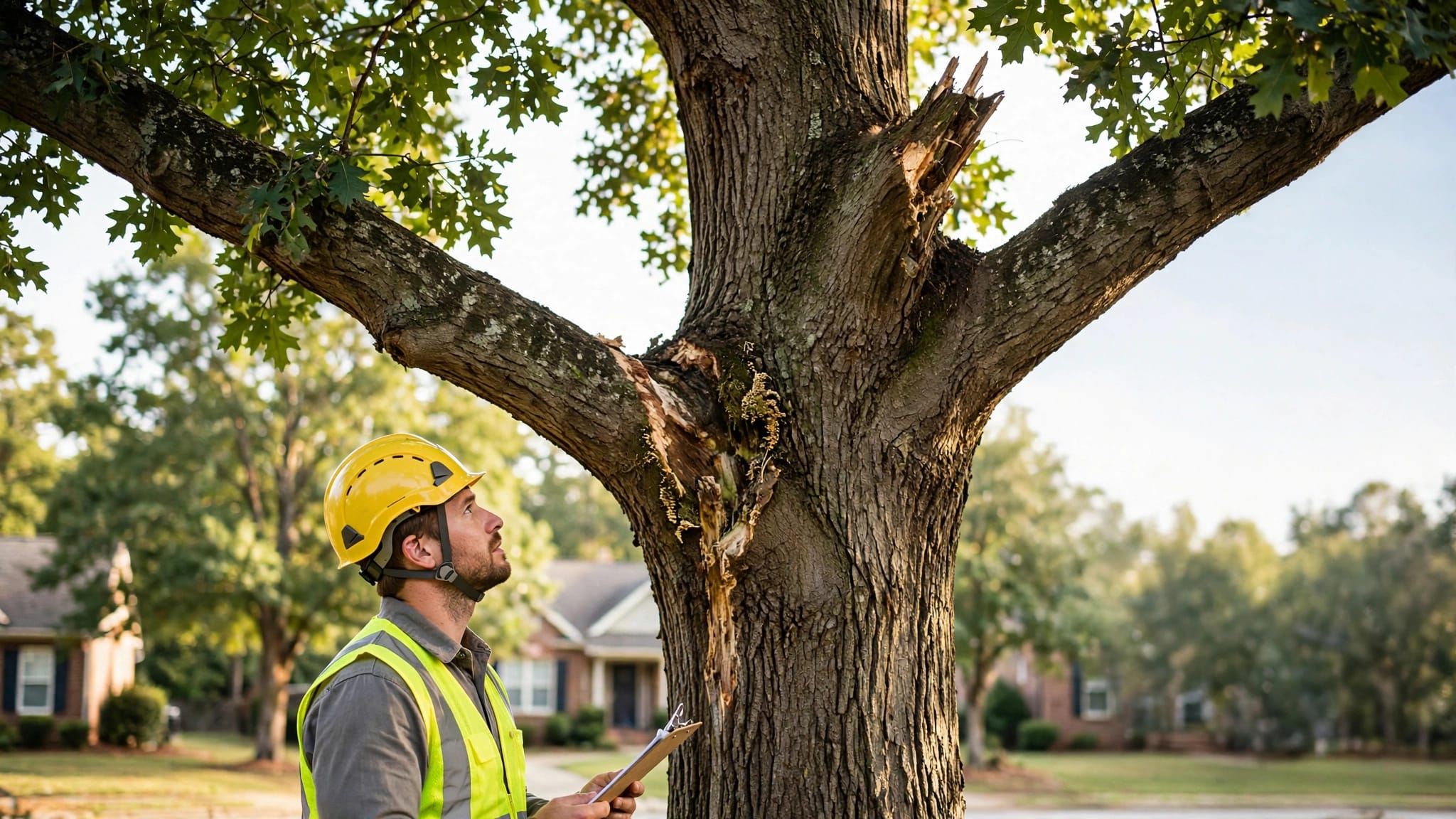
Contact a qualified arborist when a tree leans suddenly, develops large dead limbs, shows major trunk cracks, or has roots lifting a structure. Don't cut major roots to improve drainage or make space for construction without professional guidance.
A site-specific Atlanta tree risk assessment can help separate watering concerns from structural hazards. Watering should never involve climbing, cutting damaged limbs, or working near unstable branches.
Key takeaways for Atlanta homeowners
- Check soil moisture below the mulch before every supplemental watering session.
- Give newly planted trees regular attention for roughly the first year, including during cool seasons.
- Use about one inch of total weekly water as a flexible starting point during dry weather, then adjust for rain and drainage.
- Water slowly across the root area rather than spraying the trunk.
- Expect compacted clay to absorb water slowly and create runoff.
- Pause irrigation when soil remains wet several inches down.
- Keep mulch evenly distributed and away from the trunk.
- Treat persistent pooling, yellowing in wet soil, and major dieback as signs to investigate the site.
Atlanta tree watering FAQ
How often should I water a new tree in Atlanta?
Check the soil every few days during hot, dry weather. Water when the root zone is becoming dry several inches below the surface, then apply a slow, thorough soak. During dry periods, about one inch of total weekly water, including rainfall, is a reasonable starting point for many new trees.
Should I water mature trees every week?
Not automatically. Mature trees usually need supplemental watering when extended dry weather reduces moisture below the canopy. Check the soil first, account for rainfall, and stop when the root area is already moist.
Is rain enough for Atlanta trees?
Sometimes, but not always. Heavy storms can run off compacted clay, while other areas may stay saturated. Inspect the soil where the tree grows instead of estimating rainfall from the appearance of the lawn.
Can I use my lawn sprinklers for trees?
You can use them when they wet the tree's root area evenly, but many systems miss soil beneath mature canopies. Check coverage during operation and use a soaker hose or hand watering when the lawn system doesn't reach the tree.
Conclusion
Successful Atlanta tree watering depends on observation more than a fixed timer. New trees need consistent attention while their roots establish, while mature trees need targeted help during extended heat and dry weather.
Check the soil, water slowly, protect the trunk, and address drainage before adding more water. In Atlanta's clay-heavy yards, healthy roots need both moisture and air , so the right watering routine must provide both.