Atlanta Weed Control Cost Guide for 2026
A few scattered weeds can become a lawn-wide problem after a warm, wet Atlanta spring. The Atlanta weed control cost for a professional visit often starts around $40 for a small lawn, yet the right plan depends on more than the number of weeds you see.
Yard size, grass type, treatment timing, and whether fertilization is included all affect the final quote. Knowing what each service covers helps you pay for the work your lawn needs, not a package that misses the problem.
Atlanta weed control cost in 2026
Most Metro Atlanta homeowners can expect to pay about $40 to $100 per weed-control treatment for a basic residential lawn. Small yards with light weed pressure often fall at the lower end. Large lots, thick weed growth, difficult access, or lawn and bed treatments raise the price.
Recurring weed-control programs often land around $100 to $400 per year when they cover targeted treatments only. Programs that combine weed prevention, active weed treatments, and fertilizer commonly cost $70 to $280 per visit .
| Service type | Typical 2026 Metro Atlanta cost | What affects the range |
|---|---|---|
| One-time basic weed treatment | $40 to $80 | Small lawn size and light weed pressure |
| Typical residential treatment | $71 to $210 | Larger turf area, active weeds, multiple zones |
| Fertilization plus weed control | $70 to $280 per visit | Product choice, lawn size, visit frequency |
| Annual recurring weed-control plan | $100 to $400 | Number of applications and coverage details |
| Bed pre-emergent treatment | Starts around $95 | Treated bed area and existing weed growth |
| Complex or large-property treatment | $211 to $549+ | Acreage, dense weeds, add-on services |
These figures are useful starting points, not guaranteed prices. A provider needs an on-site assessment to measure turf and bed areas, identify the grass, and see whether weeds are isolated or widespread.
Small lawns usually cost less per visit
A property with fewer than 5,000 square feet of turf may receive a basic application for roughly $44 to $70. However, minimum service charges can make a tiny lawn cost more per square foot than a larger one.
Spot treatment can be a sensible choice when weeds appear in a few places. Still, spot spraying doesn't prevent the next wave of weed seeds from germinating.
Larger yards need more product and planning
For lawns between 5,000 and 10,000 square feet, published local price ranges often run from $71 to $210 per treatment. Larger lawns may need separate applications for sunny Bermuda areas, shaded fescue patches, and landscape beds.
A quote should state the treatment area. "Whole property" can mean turf only for one company and turf, beds, driveway cracks, and fence lines for another.
What a professional weed-control plan usually includes
Weed control is a turf-management service. A technician applies products intended to stop new weeds or treat weeds that have already emerged, then adjusts the schedule as conditions change.
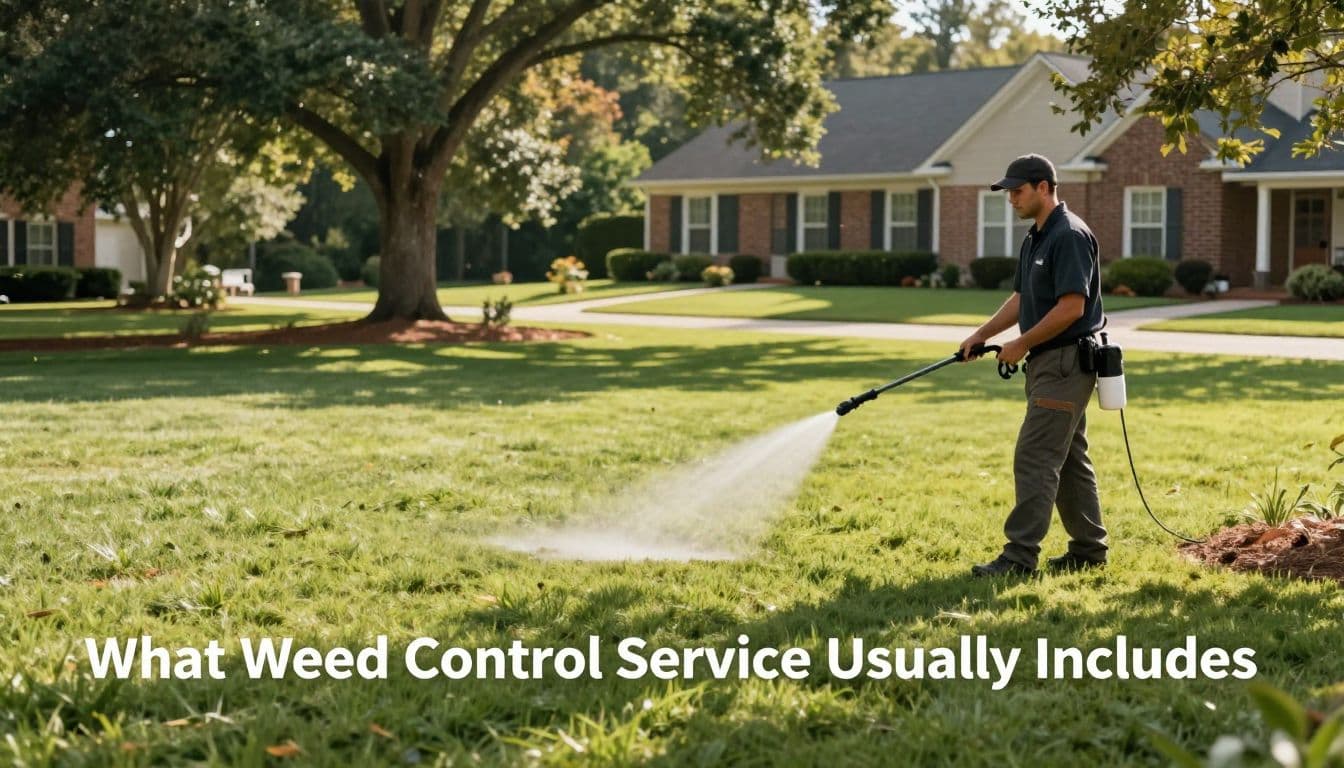
A standard recurring plan may include:
- Pre-emergent applications that create a barrier against germinating weed seeds.
- Post-emergent spot treatments for weeds already visible in the turf.
- Seasonal visits timed around Atlanta's warm-season grass cycle.
- Notes on problem areas, plus directions about mowing, watering, pets, and re-entry.
- Treatments tailored to Bermuda, Zoysia, tall fescue, or mixed turf areas.
Many plans include four to eight scheduled visits annually. The number varies because prevention and active treatment follow different calendars. A provider may also return between visits for persistent weeds, but don't assume that follow-up is included unless the service agreement says so.
Prevention and active treatments do different jobs
Pre-emergent products target weed seeds before they sprout. They are preventive, so they will not remove weeds already growing across the lawn.
Post-emergent products treat established weeds through their leaves or roots. A technician may use broad applications in a heavily infested lawn, then shift to smaller spot treatments as conditions improve.
Pre-emergent timing matters more than a single heavy application. Once a weed has emerged, it needs a different treatment approach.
What changes the price of weed control
The visible condition of a lawn matters, but it isn't the whole story. A clean-looking yard may still need preventive service, while an overgrown yard can require several visits before weed pressure drops.
Lawn size and treatment zones
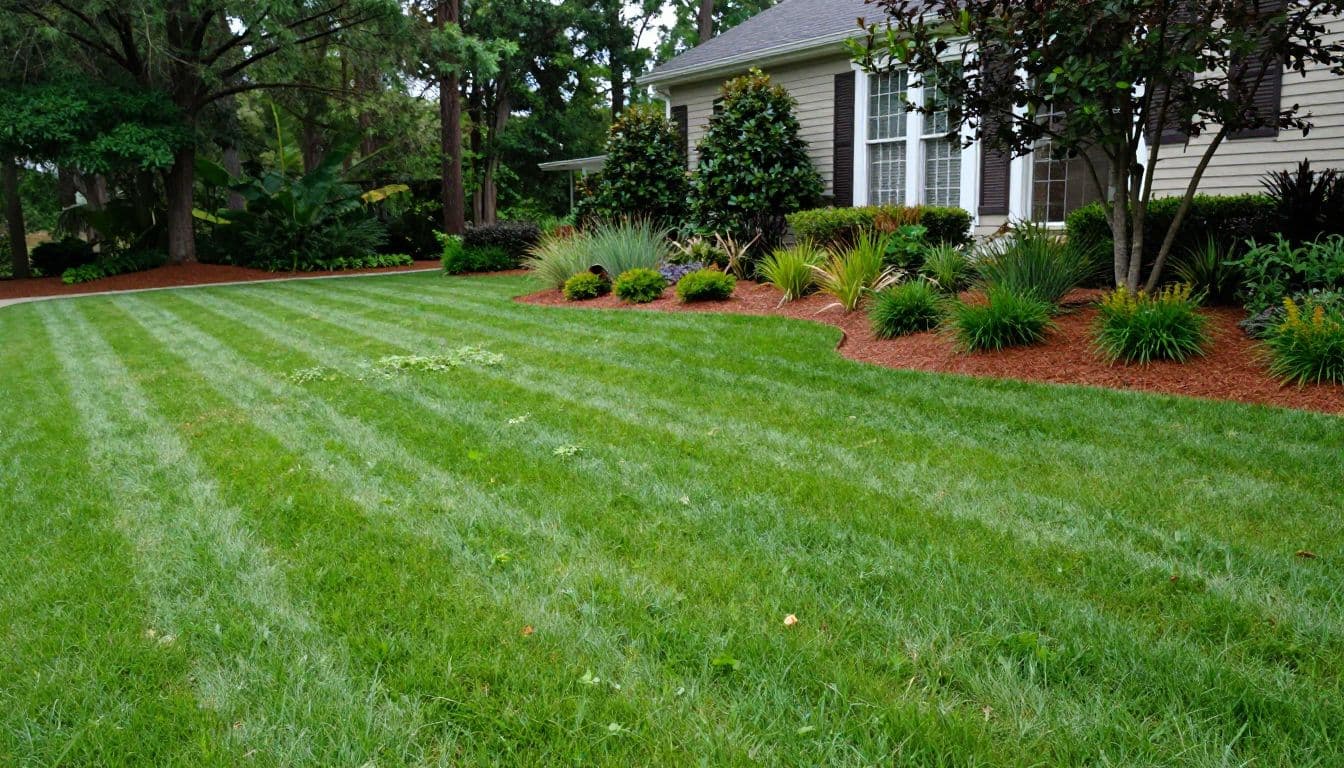
Providers calculate cost by square footage, treatment volume, and time on the property. A 7,000-square-foot Bermuda lawn is simpler to treat than a yard with that same total area divided among turf, steep slopes, beds, and natural areas.
Shrubs, play equipment, drainage features, and fenced backyards may also slow access. If the quote includes beds, ask how the company measures those areas.
Weed density, grass type, and add-ons
Heavy weed coverage takes more product and may need repeat visits. Grass type also matters because a product safe for one turf variety may damage another. Tall fescue and warm-season grasses don't follow identical treatment schedules.
Aeration, seeding, mulch installation, and soil amendments add cost because they are separate services. For example, fresh mulch can reduce exposed soil in beds, but it doesn't replace proper weed prevention. Homeowners planning a bed refresh can combine that work with mulch and landscape bed maintenance when the scope fits.
Atlanta treatment timing affects results and spending
Atlanta lawns face long summers, mild stretches in winter, and weather swings that can disrupt a rigid calendar. A dependable provider watches soil temperature, rainfall, turf growth, and product labels instead of treating every property the same way.
Spring calls for a careful transition
Early spring is a common window for preventive applications before summer annual weeds establish. However, Bermuda and Zoysia are often tender during green-up. Aggressive spraying or poorly timed fertilizer can stress turf that has not fully awakened.
Post-emergent treatments may work well on actively growing broadleaf weeds during suitable weather. Mowing can also affect results. Many labels call for avoiding mowing one to two days before and after a foliar application, so weeds have enough leaf surface to absorb the product.
Summer and fall need different priorities
Summer visits often focus on active spot treatment and turf health. High heat, drought stress, and newly cut grass can limit what a technician should apply that day.
Fall is often a major prevention window for cool-season weeds. Homeowners with Bermuda, Zoysia, or fescue can use an Atlanta post-emergent weed control calendar to understand why grass type changes the treatment schedule.
Weed control, fertilization, and lawn care are separate services
A weed-control plan protects turf from unwanted plants. It does not automatically feed the grass, cut it, repair bare areas, or remove leaves. Confusing these services is one reason estimates can seem far apart.
Fertilizer supports turf growth
Fertilizer supplies nutrients, usually including nitrogen, to help the lawn grow and maintain color. A thicker, properly fed lawn can compete better with weeds, but fertilizer alone won't kill established weeds.
Bundled programs often pair fertilizer with weed prevention because the services complement each other. Still, timing and rates should match your grass. Bermuda and Zoysia need different seasonal attention than tall fescue.
Mowing and cleanup protect the treatment investment
Routine mowing controls height, improves appearance, and prevents turf from becoming shaggy. It is not herbicide service. Likewise, a spring cleanup removes leaves, branches, and debris, but it won't stop weeds from returning.
For homes that need consistent cutting along with tidy edges and cleared hard surfaces, Atlanta lawn care and mowing is a separate recurring service. Pairing mowing with weed control can make scheduling easier, especially when a treatment label calls for a brief mowing pause.
How to compare Atlanta weed-control quotes
The lowest price isn't always the lowest annual cost. A cheap one-time spray can leave you paying again after the next germination cycle. On the other hand, a full-season plan makes little sense if it includes services your property doesn't need.
Ask each provider for the same scope of work. That makes the comparisons far clearer.
- Confirm whether the quote covers turf only, landscape beds only, or both areas.
- Ask how many applications are included and whether return visits cost extra.
- Find out if fertilizer, insect control, aeration, or seeding appear as separate charges.
- Request instructions for mowing, irrigation, children, and pets after treatment.
- Ask whether the technician will identify your grass type before selecting products.
- Check that the company holds the required Georgia pesticide credentials.
Georgia requires paid pesticide applicators working on another person's property to have a Commercial Applicator License and a Pesticide Contractor License. Landscape pesticide applications also have posting and notice rules. A professional should leave clear treatment information and follow the product label.
Get a property-specific estimate
An accurate estimate starts with a walk-through. The provider should inspect sunny and shaded turf, beds, weeds along hard edges, drainage concerns, and areas where grass is thin.
Share recent work, too. Fresh seed, sod, aeration, irrigation repairs, and new plantings can affect product choices and timing. Those details prevent an application that conflicts with work already planned.
A practical budget for a cleaner Atlanta lawn
The right Atlanta weed control cost depends on how much prevention, active treatment, and lawn support your property needs. For a smaller lawn, a $40 to $80 visit may solve a limited issue. A recurring program costs more upfront but may reduce repeat outbreaks through seasonal prevention.
Separate weed control from fertilizer, mowing, and cleanup when reviewing proposals. Then choose a licensed provider who gives a clear, on-site quote and explains exactly what each visit includes.