Atlanta Wild Onion And Wild Garlic Control For Bermuda And Zoysia Lawns
Those bright green clumps popping up in your dormant Bermuda or Zoysia lawn catch your eye every winter. They smell like onions when you crush them. In Metro Atlanta, wild onion and wild garlic turn neat yards into patchy eyesores, especially as warm-season turf sleeps.
These bulb-forming perennials push through from fall to spring. They stand out against tan grass. Homeowners fight them yearly because bulbs survive underground. You can win with smart timing and spot treatments. Let's break down identification first, then proven steps that fit our local conditions.
Spotting Wild Onion and Wild Garlic in Your Lawn
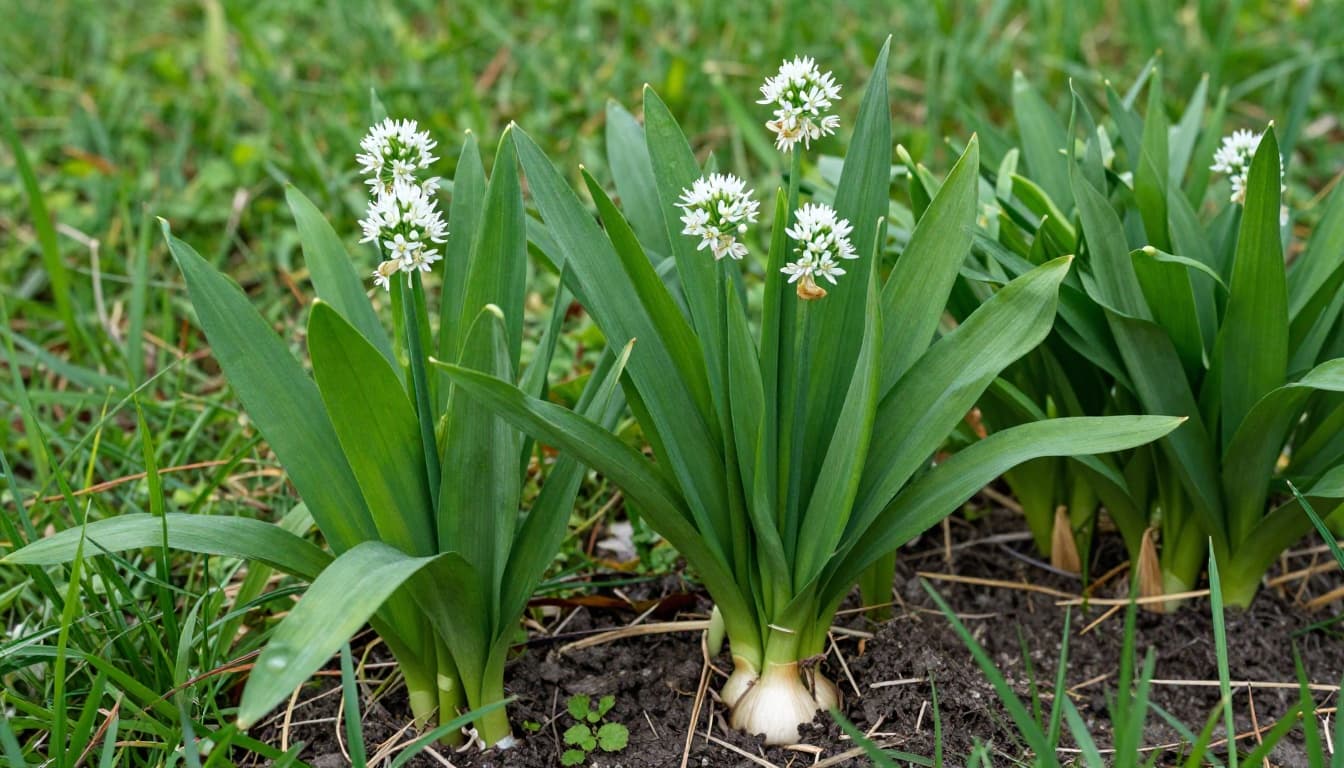
Wild onion and wild garlic look alike at first glance. Both have thin, upright leaves that smell strong when pulled. Wild onion leaves stay flat and smooth. Wild garlic tubes hollow out in the middle.
Crush a leaf. Onion smells sharper. Garlic carries that familiar pungent bite. Flowers help too. Wild onion shows small white umbels on top. Garlic forms bulblets under leaf sheaths.
Bulbs hide just below soil. Dig one after rain. You'll see clustered onions or garlic cloves. They spread by bulbs and seeds. In Atlanta, they thrive in thin spots or compacted clay.
These weeds favor Bermuda and Zoysia during dormancy. Cool snaps keep them green while turf browns. Check low spots or shaded areas under oaks. Early spotting saves headaches. Mark patches now before green-up hides them.
Why They Thrive in Atlanta Warm-Season Lawns
Atlanta's mild winters wake these weeds early. Soil stays workable. Bulbs sprout in October, peak through February. Rainy spells boost them further.
Bermuda and Zoysia go dormant around November. Bare crowns let weeds dominate. Thin turf from summer stress invites more. Compacted clay holds moisture they love.
Zoysia recovers slower than Bermuda. Patches linger into spring. Wild onion wild garlic control works best when turf thickens fast. Poor drainage or low mowing worsens invasions.
Follow this Atlanta mowing height guide for Bermuda and Zoysia to build density. Healthy roots crowd out bulbs over time.
Timing Your Control Efforts
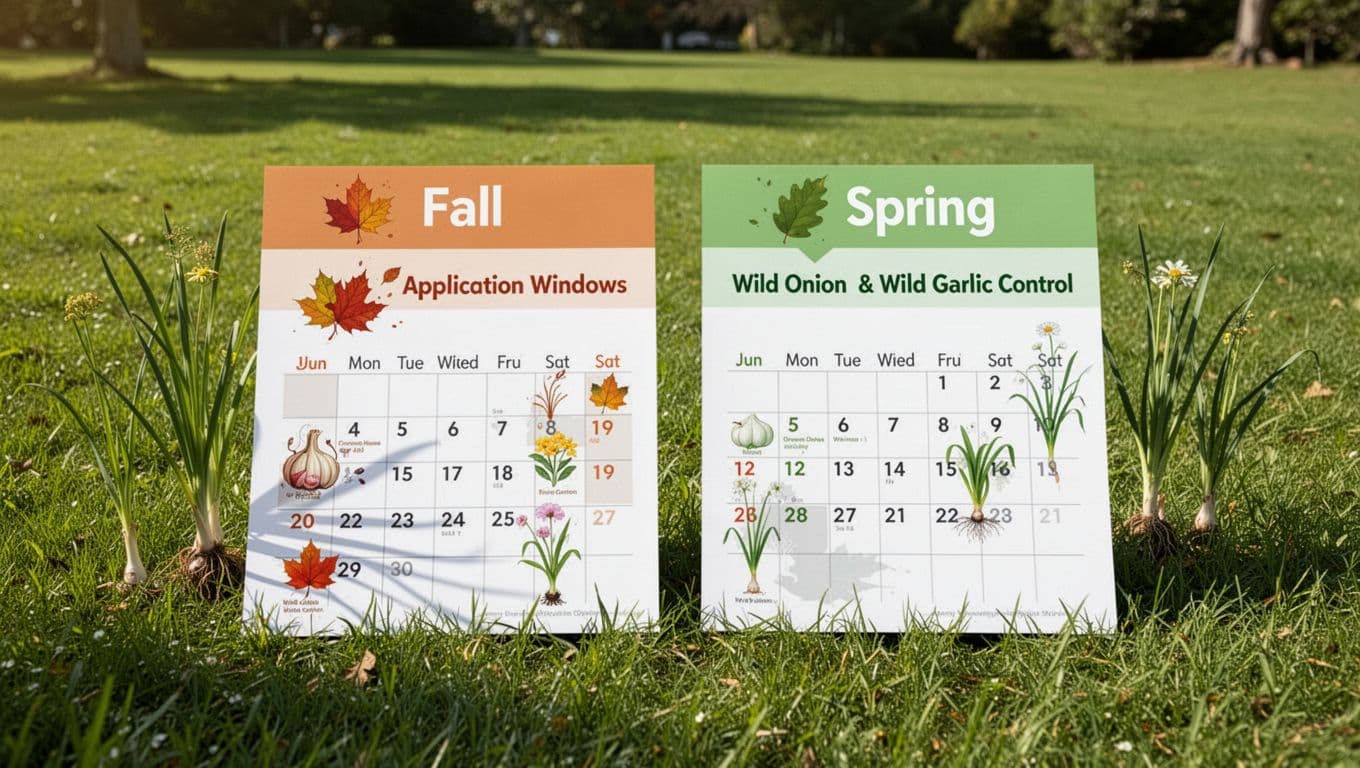
Fall and spring hit bulbs hardest. Apply in late October or November. Weeds grow actively then. Early April works now as they bolt before summer heat.
Wait for green-up in Bermuda and Zoysia. Avoid tender shoots. Soil temps around 55 degrees signal go time. Repeat every 4-6 weeks. Two years often clears infestations.
Check this Atlanta post-emergent weed control calendar for full seasonal cues. Temps below 85 degrees prevent turf burn. Dry forecasts help sprays stick.
Proven Treatment Strategies
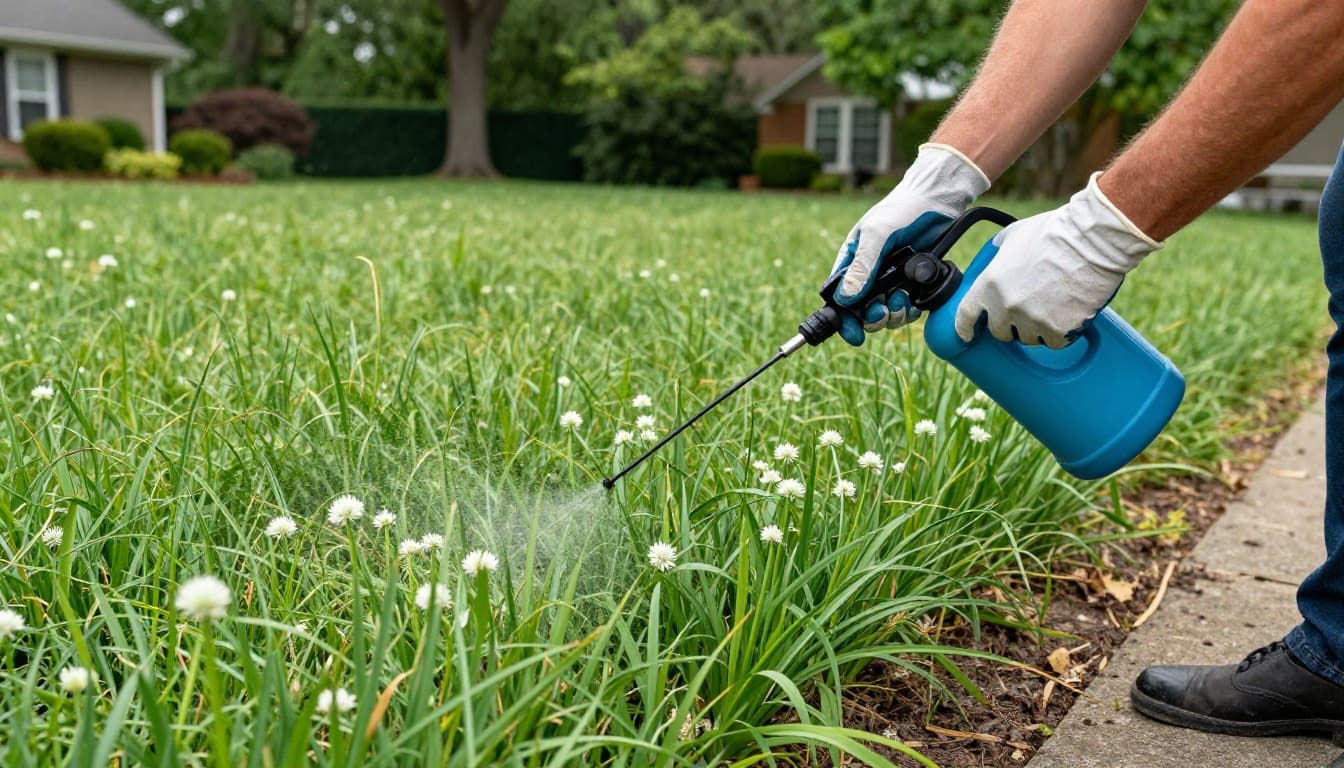
Spot-spray over digging for big patches. Three-way herbicides with 2,4-D, dicamba, and MCPP target broadleaves safely. Metsulfuron products shine on bulbs. Image for nutsedge-like control fits too.
Mix per label. Use a pump sprayer. Hit the base and leaves. Wet but not drip. One gallon covers 300 square feet typically.
Wear gloves and goggles. Test a small area first. Zoysia shows yellowing easier than Bermuda. Water lightly after if label says. No mowing 2 days before or after.
Dig small clumps post-rain. Get every bulb two inches deep. Refill holes with soil. Repeat apps kill survivors. Tolerance varies by turf health. Stressed lawns react poorly.
Always read labels. Georgia rules apply. Skip if overseeded.
Cultural Practices That Keep Them Away
Thick turf starves weeds. Fertilize after full green-up. Use this Atlanta spring green-up plan for Bermuda and Zoysia to start strong.
Aerate compacted clay yearly. Water deeply, infrequently. Mow at proper heights. Sharp blades cut clean.
Choose Bermuda or Zoysia wisely with this Bermuda vs Zoysia guide for Metro Atlanta lawns. Dense varieties resist better.
Simple Steps Forward
Wild onion and wild garlic lose to timed spots and thick turf. Start now in April. Repeat in fall. Bulbs fade over seasons.
Your Bermuda or Zoysia rebounds fast. Got heavy patches? Call pros for quotes. Ready yard looks sharp by summer. What's your biggest weed headache this year?