Take-All Root Rot Guide for Atlanta St. Augustine Lawns
Your St. Augustine lawn starts yellowing at the edges. Patches thin out fast, even after you water. In Atlanta, this often means take-all root rot has set in. Homeowners see it after wet springs or humid summers. The fungus attacks roots in our clay soil. Don't panic yet. You can fight back with smart fixes.
This guide shows you how to spot it, diagnose it, and treat it right. We'll cover Atlanta-specific steps. Recovery takes time, but correct soil and care make it possible.
Spotting Take-All Root Rot Symptoms in St. Augustine Grass
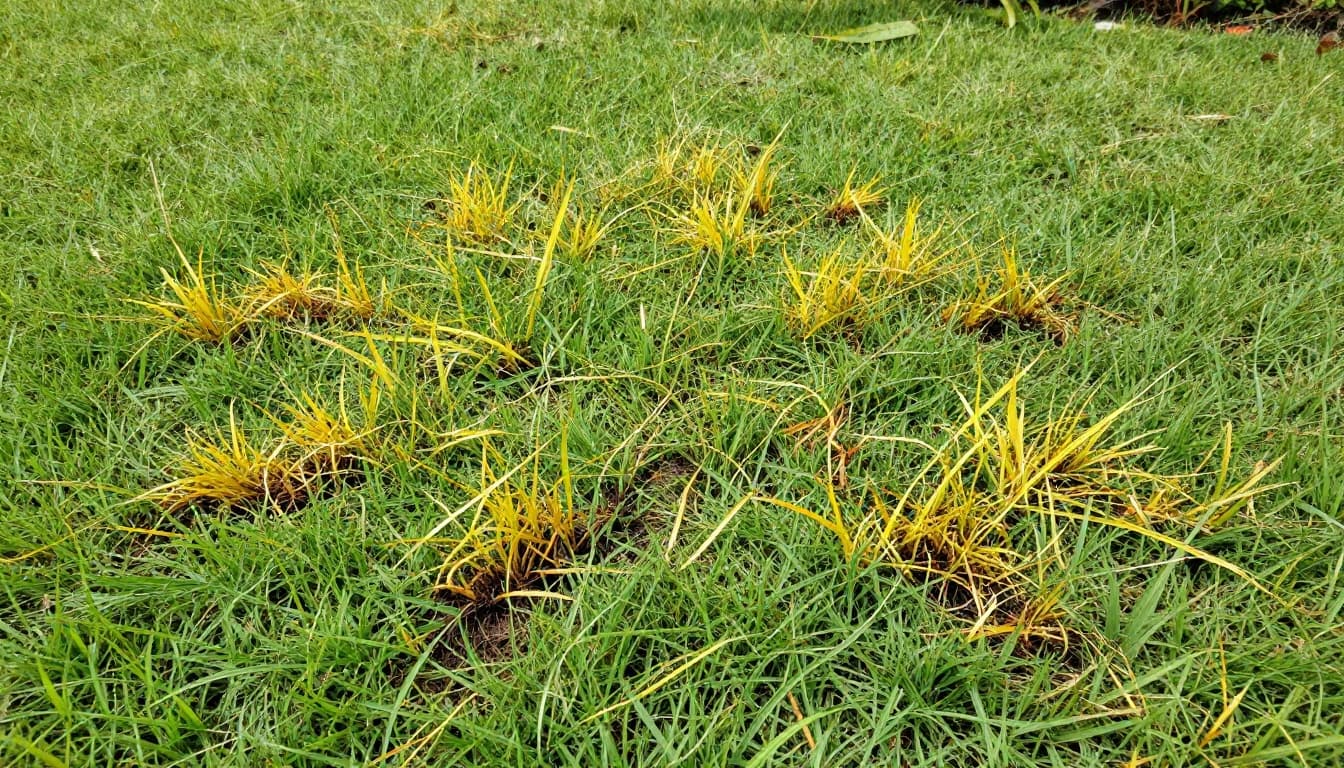
Take-all root rot sneaks up on Atlanta lawns. Grass blades turn bright yellow first. They wilt and go brown, even in watered spots. Patches start small, one foot wide. They grow to twenty feet if unchecked.
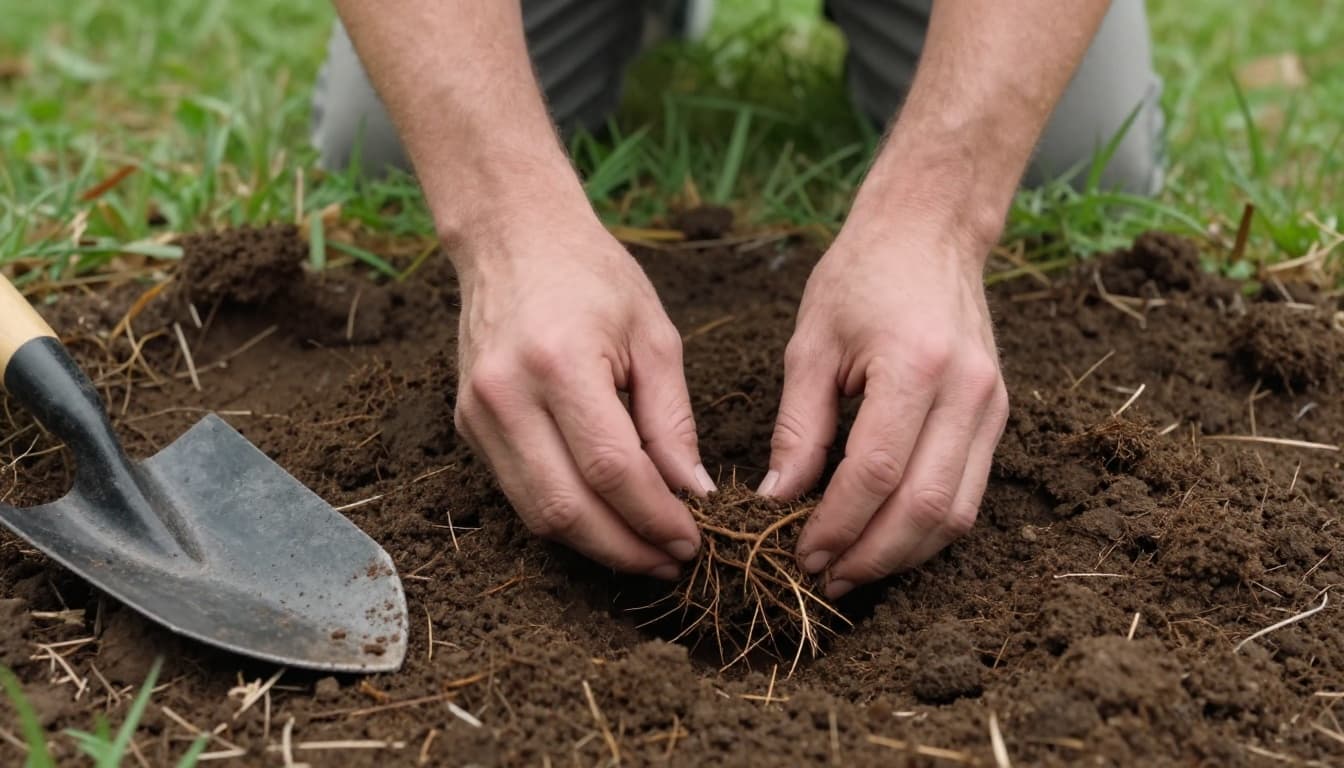
Pull up a runner from the edge. Healthy roots look white and thick. Rotten ones turn black, short, and mushy. They pull free easily. Turf feels spongy because roots can't hold water.
Atlanta's April rains speed this up. Wet soil stresses St. Augustine. Shade makes it worse too. Check our Atlanta St. Augustine lawn care for shady yards for related tips.
It mimics drought or chinch bugs. But roots tell the truth. No bugs hide in the thatch. Blades lack the spots from other fungi.
Thinning hits stressed areas first. Low spots or compacted clay suffer most. Walk your yard after rain. Note patterns. Early catch stops spread.
Why Take-All Root Rot Hits Atlanta St. Augustine Lawns Hard
The fungus Gaeumannomyces graminis loves our conditions. It thrives in wet, alkaline soil. Atlanta clay holds water. pH over 7 invites trouble.
Spring deluges soak roots. Then heat stresses grass. High pH blocks nutrients. Nitrate fertilizers feed the fungus. Poor drainage seals the deal.
Compaction crushes roots too. Shade traps moisture. Thatch blocks air. All weaken St. Augustine. Our transition zone adds winter chill.
Recent data shows no big 2026 outbreaks here. But wet Aprils raise risk. Stressed lawns from drought or traffic fall first.
Fix basics. Test soil pH. Aim for 6 to 6.5. Acidify if needed. That starves the pathogen.
How to Diagnose Take-All Root Rot at Home
Grab a shovel. Dig a small patch, six inches square. Focus on yellow edges.
Examine roots closely. Healthy ones fill the soil. Rot shows black, sparse strands. Runners die back.
Compare to neighbors. Drought grass bounces after water. Take-all stays limp.
Soil test next. Send to UGA Extension. Check pH, nutrients. Clay often lacks acid.
Rule out look-alikes. Chinch bugs cluster in sun. Gray leaf spot shows blade lesions. See our Atlanta lawn disease ID guide for more.
Take photos. Note weather. Pros use this info. Self-diagnosis saves time.
Key Treatment Steps for Atlanta Take-All Root Rot
Fungicides alone fail. Culture changes win. Start there.
Lower pH first. Use acid fertilizers like ammonium sulfate. Spread one pound nitrogen per thousand square feet. Water in deep.
Add peat moss. One bale per thousand square feet. Topdress and rake. It acidifies and adds microbes.
Aerate compacted clay. Core holes help drainage. Do it now, before summer heat.
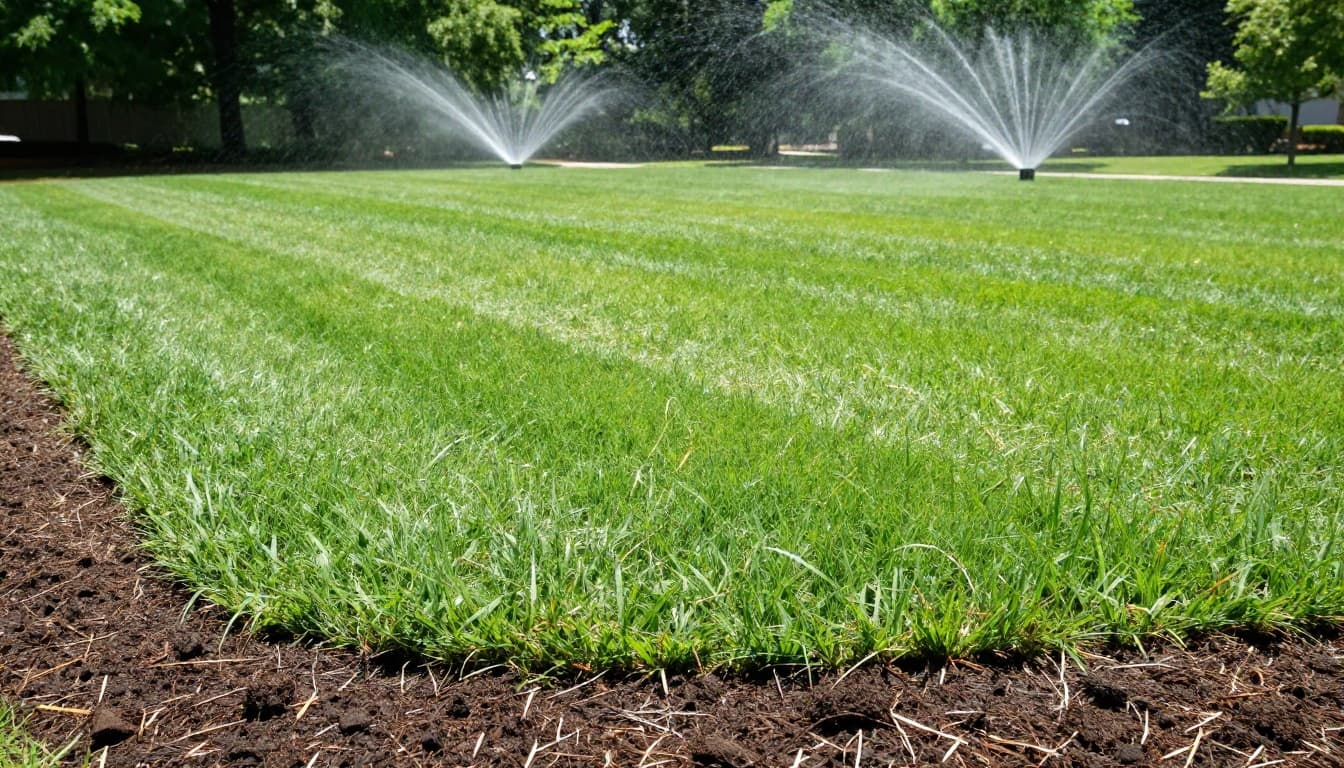
Water smart. Deep and rare, early morning only. One inch weekly, rain included. Fix soggy spots with topsoil.
Mow high. Three to 3.5 inches for St. Augustine. Sharpen blades. Bag clippings if wet. Check Atlanta mowing height guide for details.
Fertilize light. Avoid excess nitrogen. Test soil yearly.
Fungicides help prevent. Apply in spring or fall. Water them in half-inch. Rotate types. They suppress, don't cure.
Recovery slows in shade or clay. Resod only after fixes. Centipede resists better here.
Prevention Tips Tailored to North Georgia Conditions
Keep pH low year-round. Retest after rain. Atlanta storms leach acids.
Aerate fall and spring. Reduces compaction.
Water less in wet spells. Our humidity fools sprinklers.
Mow consistent. Tall grass shades roots.
Mulch edges. Improves drainage.
Monitor after April rains. Act early.
Your Path to a Stronger St. Augustine Lawn
Take-all root rot tests Atlanta lawns. Yellow patches signal root trouble in our clay and rain. Spot it by rotten roots. Diagnose with digs and tests.
Treat with pH drops, aeration, smart water. Fungicides support, don't lead. Prevent through steady care.
Patience pays. Grass rebounds over months. Healthy roots beat future attacks. Your lawn stays thick.