Atlanta Bahiagrass Control for Bermuda and Zoysia Lawns
Bahiagrass can make a good Atlanta lawn look rough fast. Those tall seedheads pop up above Bermuda or Zoysia like antennae, and one patch can turn into many if you ignore it.
For bahiagrass control Atlanta homeowners can count on, timing matters more than brute force. You need the right ID, the right turf-safe product, and a plan for repeat work, not one angry weekend spray.
How to spot bahiagrass before it spreads
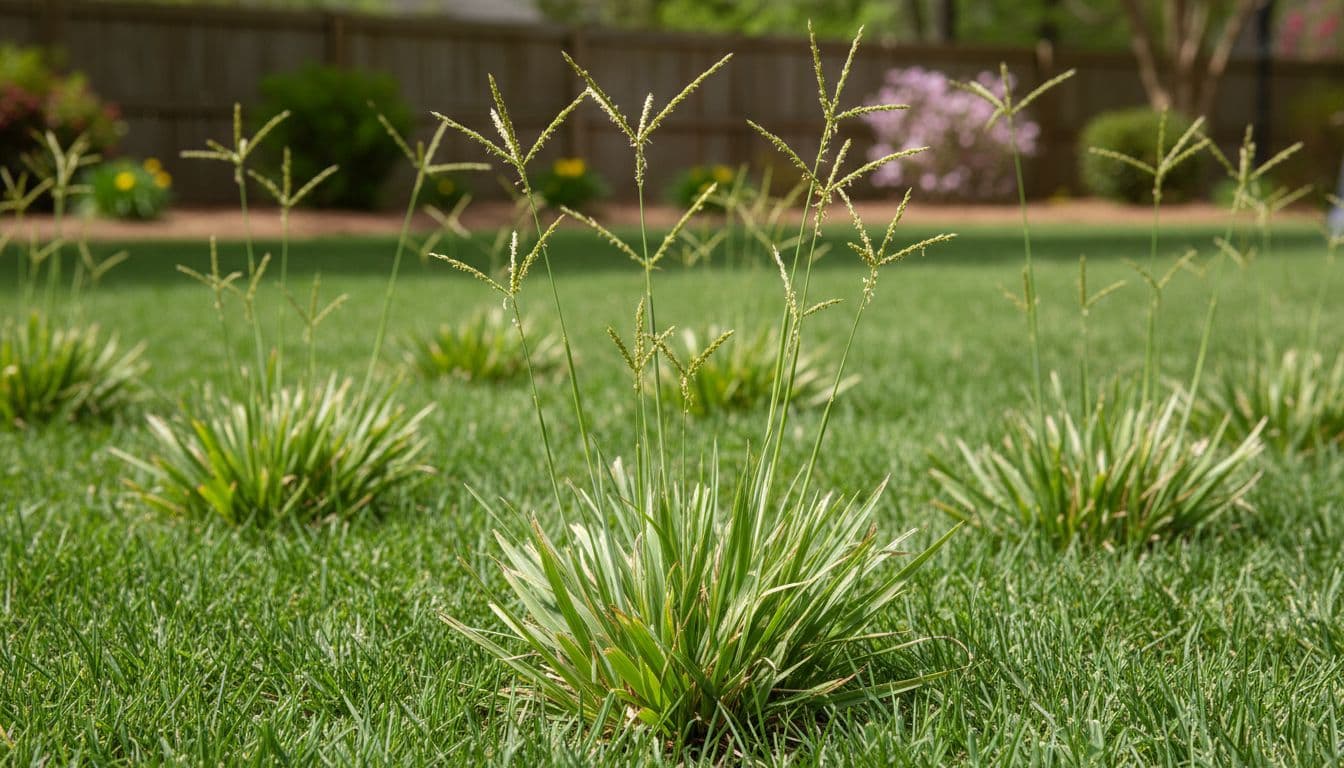
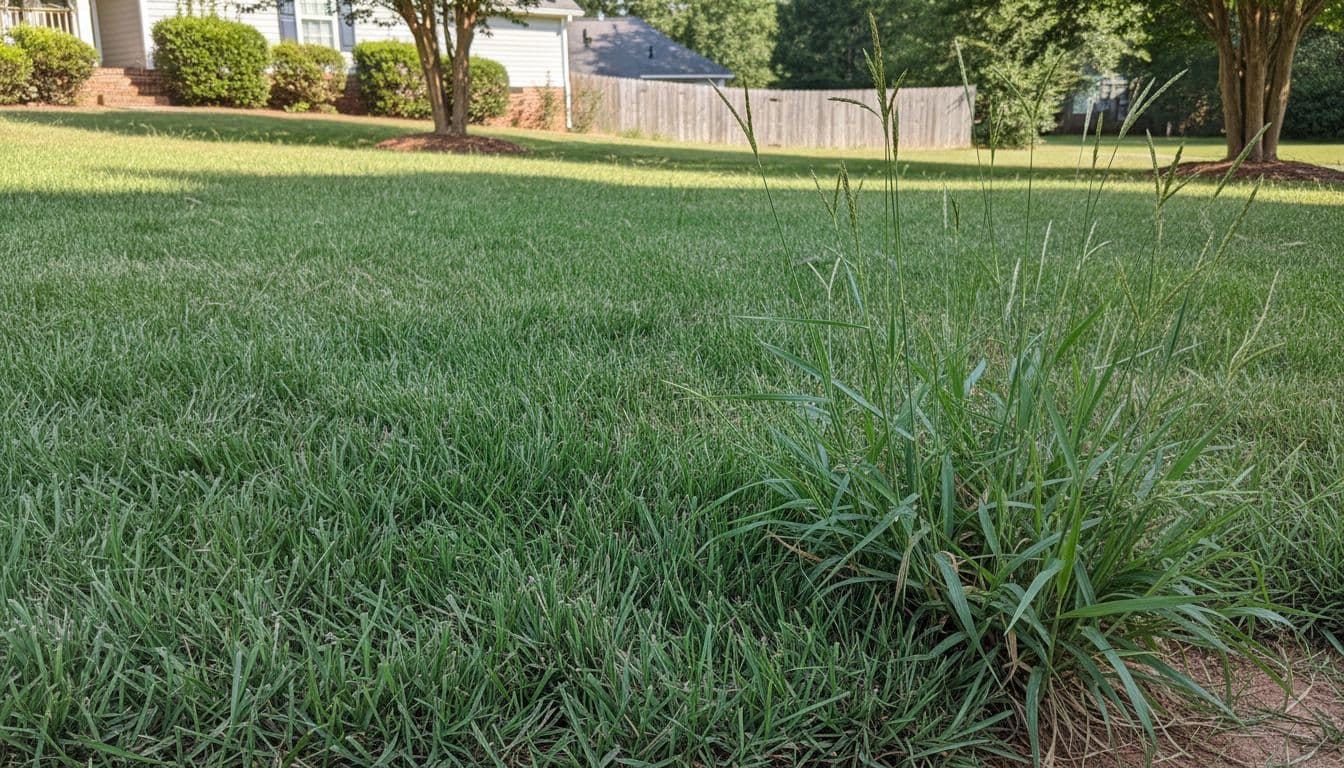
Bahiagrass stands out once you know its habits. The biggest clue is the seedhead. It usually rises well above the lawn and often forms a tall Y-shaped top. The plant also grows in coarse clumps, not in the tight, even texture you want from Bermuda or Zoysia.
A quick mow can hide it for a few days. However, mowing doesn't remove the plant. It only cuts off the flag while the root system stays in place.
Look for a few signs at once:
- Tall seedheads above the rest of the lawn
- Bunchy, coarse blades
- Clumps that stay visible after mowing
- Patches that don't blend with the finer turf around them
In Metro Atlanta, bahiagrass often shows up where the lawn is thin, compacted, underfed, or cut too low. It handles poor soil and drought better than many weak turf areas around it, so it acts like the weed version of that one guest who won't leave.
If you're not fully sure whether you have Bermuda or Zoysia, start with this Bermuda vs Zoysia guide for Atlanta lawns. Turf type changes what you can spray safely, and that matters more than the brand on the jug.
The best Atlanta treatment window for real control
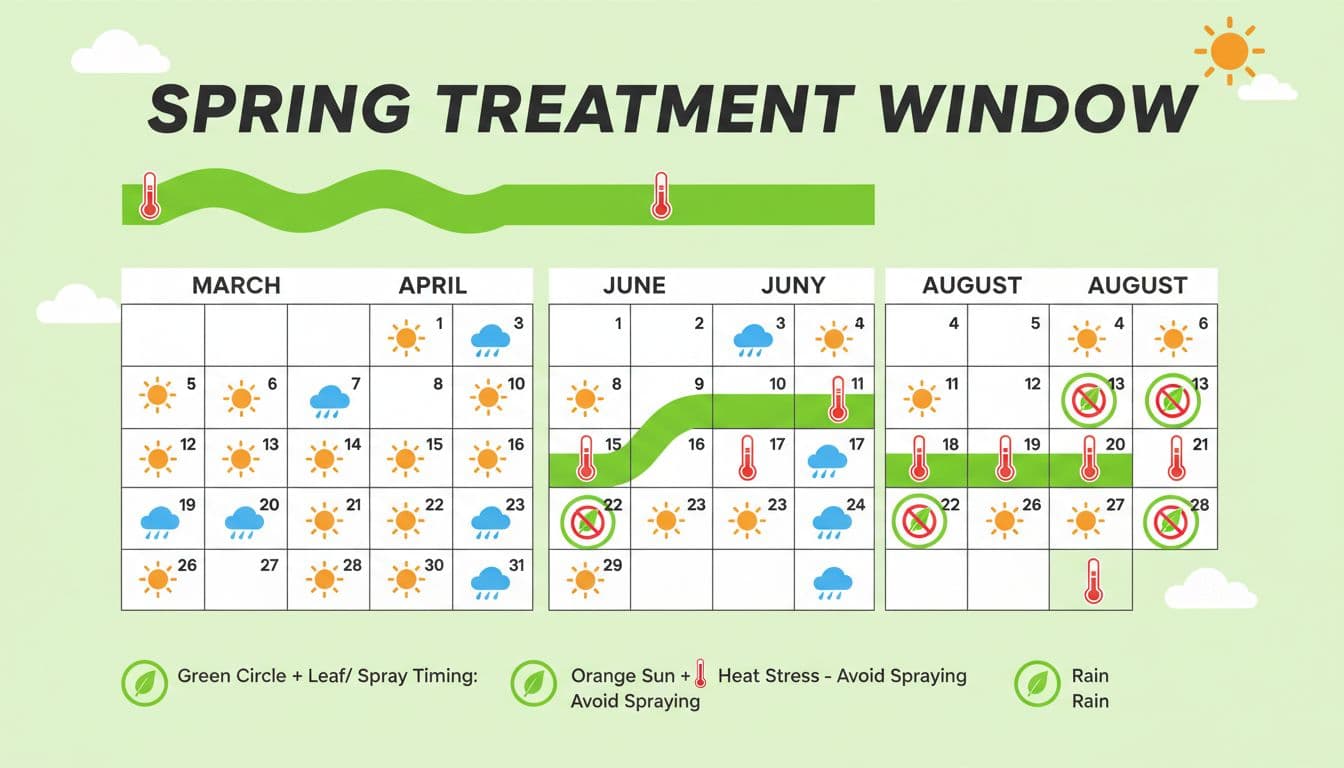
The best control starts when bahiagrass is actively growing and your lawn is not under stress. In Atlanta and North Georgia, that usually means late spring into early summer, after Bermuda and Zoysia are fully out of green-up.
If you spray too early, you can stress turf during transition. If you wait for a heat wave, you can stress both the lawn and the applicator. So the sweet spot is when bahiagrass is growing hard, but the lawn still has good recovery.
Treat active bahiagrass, not a stressed lawn.
UGA Extension guidance often points to metsulfuron as a leading post-emergent option for labeled Bermuda and Zoysia lawns. Still, one application rarely fixes a heavy patch. Bahiagrass is a perennial with a tough root system, so large infestations often need repeat treatments at the exact interval on the product label .
Here is the short version for Atlanta timing:
| Lawn type | Best main window | Extra option | Avoid |
|---|---|---|---|
| Bermuda | Late spring to early summer, after full green-up | Spot treatments later if turf is healthy and the label allows it | Atrazine on green Bermuda, drought stress, heat stress |
| Zoysia | Late spring to early summer, after active growth begins | Labeled atrazine products before green-up can suppress young bahiagrass | Transition stress, high heat, recently scalped turf |
For a broader seasonal spray plan, this Atlanta post-emergent weed control calendar for Bermuda and Zoysia helps line up herbicide timing with Metro Atlanta weather.
Bermuda and Zoysia need different bahiagrass plans
A smart plan separates the two turf types. Bermuda usually recovers faster after stress. Zoysia looks dense and polished, but it often recovers slower from herbicide injury or mowing mistakes.
What works in Bermuda lawns
In Bermuda, spot treatment is usually the best first move. UGA-based guidance often points to metsulfuron on labeled products as the main post-emergent option for bahiagrass. Apply only after Bermuda is fully green and growing well.
Don't rush heavy sprays during spring transition. Also skip treatment when the lawn is wilted, recently scalped, or baking in summer heat. A stressed Bermuda lawn can recover, but every bad application slows that bounce-back.
Atrazine is not a normal over-the-top option on green Bermuda. That's a common mistake when people assume the same product works on every warm-season lawn.
What works in Zoysia lawns
Zoysia can also respond to metsulfuron, if the product label lists your turf. In some cases, labeled atrazine products can help suppress young bahiagrass in late winter, before Zoysia green-up. That option does not translate to active Bermuda.
Because Zoysia recovers slower, lighter and more targeted applications make sense. Mark the patches, spray only the problem areas, then recheck later instead of blanket-spraying the whole yard. On heavy patches, think progress, not instant perfection.
No herbicide works well if the turf stays weak. So tighten the basics at the same time. Mow at the right height, water early in the day, feed during active growth, and relieve compaction when the lawn is growing. This Atlanta mowing height guide for Bermuda and Zoysia helps if low mowing has opened the door to clumpy weeds.
Most importantly, read the label from start to finish. Use the listed PPE. Mix at the listed rate. Follow the mowing and rainfast directions. If the product is pro-only, or the label feels unclear, bring in a licensed lawn care pro.
A cleaner lawn starts with timing
Bahiagrass doesn't disappear because you hate looking at it. It fades when you hit it at the right time, repeat the treatment as the label directs, and give Bermuda or Zoysia the conditions to fill back in.
If those tall seedheads keep showing up after careful spot treatments, don't keep pushing a stressed lawn. Get a licensed pro involved and fix the turf conditions that let bahiagrass move in.