Boxwood Root Rot in Atlanta: Why Shrubs Turn Yellow
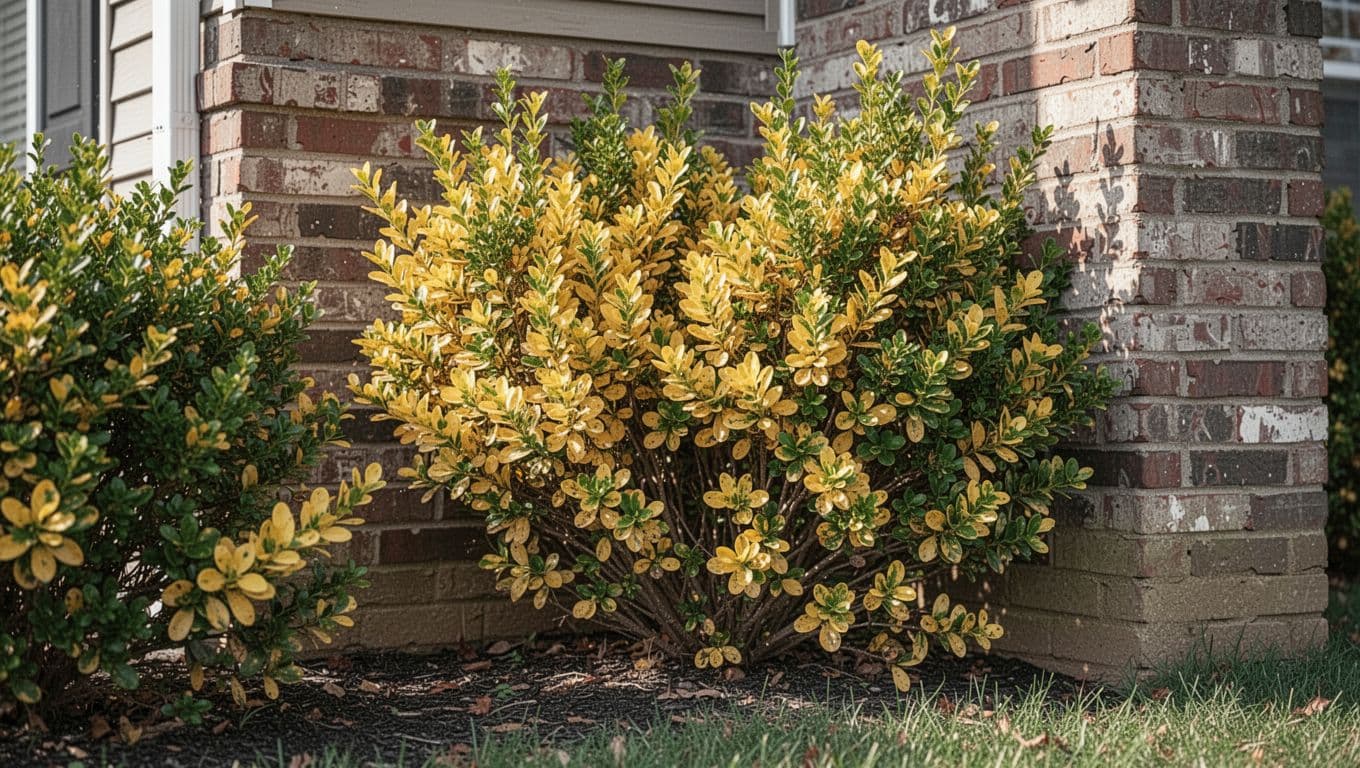
Yellow leaves on foundation boxwoods can point to boxwood root rot , especially when Atlanta's clay soil stays wet after rain. The problem often begins below ground, where poor drainage damages roots before the foliage shows clear warning signs.
Warm, humid weather adds pressure, but excess moisture is usually the main issue. Fungicides can't rebuild severely rotted roots, so lasting recovery depends on correcting drainage, adjusting irrigation, and deciding early whether the shrub can survive.
Key Takeaways
- Yellowing boxwoods may have root rot when soil stays wet and roots turn brown or soft.
- Atlanta's heavy clay, compacted beds, downspout runoff, and frequent irrigation often create the problem.
- Fungicides may protect healthy roots in limited situations, but they can't restore dead or severely damaged roots.
- Remove badly affected shrubs, improve the planting area, and replant only after drainage has improved.
- Water the root zone carefully, keep mulch away from stems, and avoid crowding foundation shrubs.
Why Boxwoods Develop Root Rot in Atlanta
Boxwood root rot usually develops when roots remain in saturated soil for too long. Roots need oxygen as well as water. When clay soil fills with water, air spaces disappear, and fine feeder roots begin to decline.
Atlanta properties commonly have several conditions that keep foundation beds too wet. Compacted red clay drains slowly, especially where construction equipment has pressed the soil. Roof runoff can also collect beside the house if downspouts discharge near shrubs. A low planting bed may hold water against the foundation, while dense mulch can hide the problem and keep the surface wet.
Frequent irrigation creates another source of trouble. Boxwoods need consistent moisture, but they don't need daily watering once established. An automatic sprinkler that runs during rainy periods can saturate the same root zone repeatedly.
Root rot can affect a single shrub or spread through a row. Poor drainage often affects the entire bed, while a clogged irrigation head or broken pipe may create one wet area. Look for patterns before treating anything. If several nearby shrubs yellow at once, inspect the soil and water flow first.
Common conditions that increase risk include:
- Clay soil that remains wet several days after rain
- Low spots beside the foundation
- Downspouts that discharge into the planting bed
- Mulch piled against trunks or crowded around the crown
- Irrigation scheduled without checking soil moisture
- Roots planted too deeply or covered by added soil
- Compacted soil beneath a recently renovated bed
Several soil-borne pathogens can cause root and crown rot, including species of Phytophthora. A laboratory test is the only dependable way to identify the exact pathogen. However, the combination of yellowing foliage, wet soil, decline, and damaged roots provides a strong warning that moisture management needs attention.
How to Diagnose Boxwood Root Rot Before Treatment
Start with the whole planting bed, not only the yellow leaves. Note whether the decline affects one side of the shrub, the lower foliage, or the entire plant. Root rot often causes general thinning, pale green leaves, yellowing, bronze tones, and gradual dieback. During hot weather, affected shrubs may wilt even when the soil is wet because damaged roots can't move water properly.
Check the soil several inches below the mulch. Use a hand trowel or soil probe near the outer edge of the canopy, where many feeder roots grow. Soil that feels sticky, airless, or saturated after several dry days deserves attention. Also check the bed after irrigation and after heavy rain. Water pooling beside the foundation is a drainage problem, not a watering need.
A closer root inspection can confirm the concern. Carefully expose a small section of roots without tearing through the entire root ball. Healthy roots are generally firm and light-colored inside. Diseased roots may look brown or black, feel soft, and have outer tissue that slips away. A damaged crown may show dark, wet areas near the base of the stems.
Leaf symptoms alone don't prove root rot. Boxwood blight, insect injury, winter damage, nutrient problems, and drought stress can create similar yellowing. Boxwood blight often causes leaf spots, rapid leaf drop, and dark streaks on stems. Compare the symptoms with this Atlanta boxwood blight guide before removing healthy plants.
A simple diagnostic process helps prevent the wrong treatment:
- Check soil moisture below the mulch and near the root zone.
- Inspect downspouts, sprinkler heads, grading, and low spots.
- Examine a small number of roots for dark, soft, or decaying tissue.
- Look for leaf spots, stem streaks, insects, or uniform nutrient symptoms.
- Request professional or laboratory diagnosis when several shrubs are declining.
Avoid pulling a boxwood from the ground before checking the surrounding soil. The root damage may be a symptom of a bed-wide drainage problem, and replacing the shrub without fixing that condition usually repeats the failure.
What to Do When a Boxwood Has Root Rot
Stop routine irrigation until you understand how wet the bed is. This doesn't mean allowing every boxwood to become dry and stressed. It means preventing more water from entering an already saturated root zone while you correct the cause.
Next, inspect how water reaches the planting bed. Redirect downspouts away from the foundation, repair leaking irrigation lines, and adjust sprinkler heads that spray the house or shrub trunks. If water flows toward the bed, grading may need correction. In persistent wet areas, a drainage improvement may require reworking soil elevations or installing a suitable drain system.
Don't mix a thin layer of sand into heavy clay and expect fast drainage. That combination can create a dense soil layer. A qualified landscaping crew can assess the existing grade, compaction, bed depth, and runoff before recommending a repair.
If the shrub has mild symptoms and still has a firm, healthy root system, it may recover after the soil dries and watering improves. Prune only dead or clearly damaged branches, and disinfect tools between plants. Avoid heavy shaping while the shrub is under stress.
Severely affected shrubs usually have extensive root loss, widespread dieback, or a collapsing crown. Those plants rarely return to a full, healthy form. Remove them with as much of the affected root ball and surrounding contaminated soil as practical. Dispose of diseased plant material rather than placing it in home compost.
Fungicides need careful expectations. Some products can protect roots that are still healthy or slow disease under specific conditions, but they cannot restore severely rotted roots . A spray won't compensate for saturated clay, poor grading, or excessive irrigation. Use any treatment only when the diagnosis and product label support it, and correct the water problem first.
Preventing Root Rot in Foundation Shrubs
Prevention starts before planting. Boxwoods need soil that drains adequately while holding enough moisture for steady growth. In Atlanta, inspect the bed after a strong rain before installing a row of shrubs. If water stands beside the house or remains trapped in the planting area, solve that issue before adding plants.
Plant boxwoods at the correct depth. The top of the root ball should sit level with, or slightly above, the surrounding soil. Never bury the crown beneath new soil or mulch. A shallow planting hole with a broad, loosened area is safer than a deep hole that collects water.
Apply a light mulch layer to reduce soil splash and temperature swings. Keep mulch several inches away from the stems, and don't build a mound around the base. Refresh mulch when needed instead of adding new layers until the crown disappears.
Water established boxwoods when the upper few inches of soil begin to dry, then water thoroughly at the root zone. The exact interval changes with rainfall, season, exposure, and soil type. Drip irrigation or a soaker hose can provide more control than overhead sprinklers. Water in the morning when possible, and avoid wetting foliage late in the day.
Spacing also matters. Crowded shrubs dry slowly after rain and restrict air movement. Maintain enough room for mature growth, then prune lightly rather than shearing repeatedly into dense outer growth. For Atlanta timing, follow this shrub pruning schedule for boxwoods, especially for late-winter shaping.
Keep tools clean when moving between declining and healthy shrubs. Remove fallen leaves and clippings from the bed, particularly when disease symptoms appear. Good sanitation won't repair root damage, but it can reduce the chance of moving other boxwood diseases around the property.
When to Replace a Yellowing Boxwood
Replacement makes sense when most of the canopy has died back, the crown is soft or discolored, and the roots are extensively decayed. A shrub with only a few yellow branches may recover, but a nearly bare plant often has too little healthy root tissue to support new growth.
Before replanting, correct the drainage problem and let the bed settle. If the old plant had a confirmed soil-borne disease, remove affected soil where practical and clean tools, gloves, and equipment. Don't place a new shrub in the same wet hole without changing the conditions that caused the first failure.
Choose a replacement based on the site's light, mature size, drainage, and maintenance needs. A local lawn and landscaping professional can help evaluate the bed, reshape grades, improve soil conditions, and install plants at the correct depth. That approach costs less than repeating the same replacement every season.
Conclusion
Yellowing foundation boxwoods deserve a root-zone inspection, especially when Atlanta clay stays wet after rain. Boxwood root rot can improve only when surviving roots receive air, drainage works properly, and irrigation matches the soil's actual moisture.
Fungicides may have a limited role, but they can't bring dead roots back. Check the bed, correct runoff and watering problems, and remove shrubs that have extensive decay before the problem affects the rest of the planting.