TifTuf vs Celebration Bermuda for Atlanta Lawns
A Bermuda lawn can look thick and bright in an Atlanta summer, yet the wrong cultivar can struggle in the same yard by fall. Sun exposure, red clay, drainage, irrigation, mowing, and installation quality often matter as much as the grass name.
The choice between TifTuf vs Celebration Bermuda comes down to your property's conditions and maintenance routine. TifTuf often suits high-use lawns and homeowners focused on drought performance, while Celebration can work well where dark color, strong recovery, and some light shade tolerance matter. The better option becomes clearer when you compare each grass against your yard.
What separates TifTuf and Celebration in Atlanta?
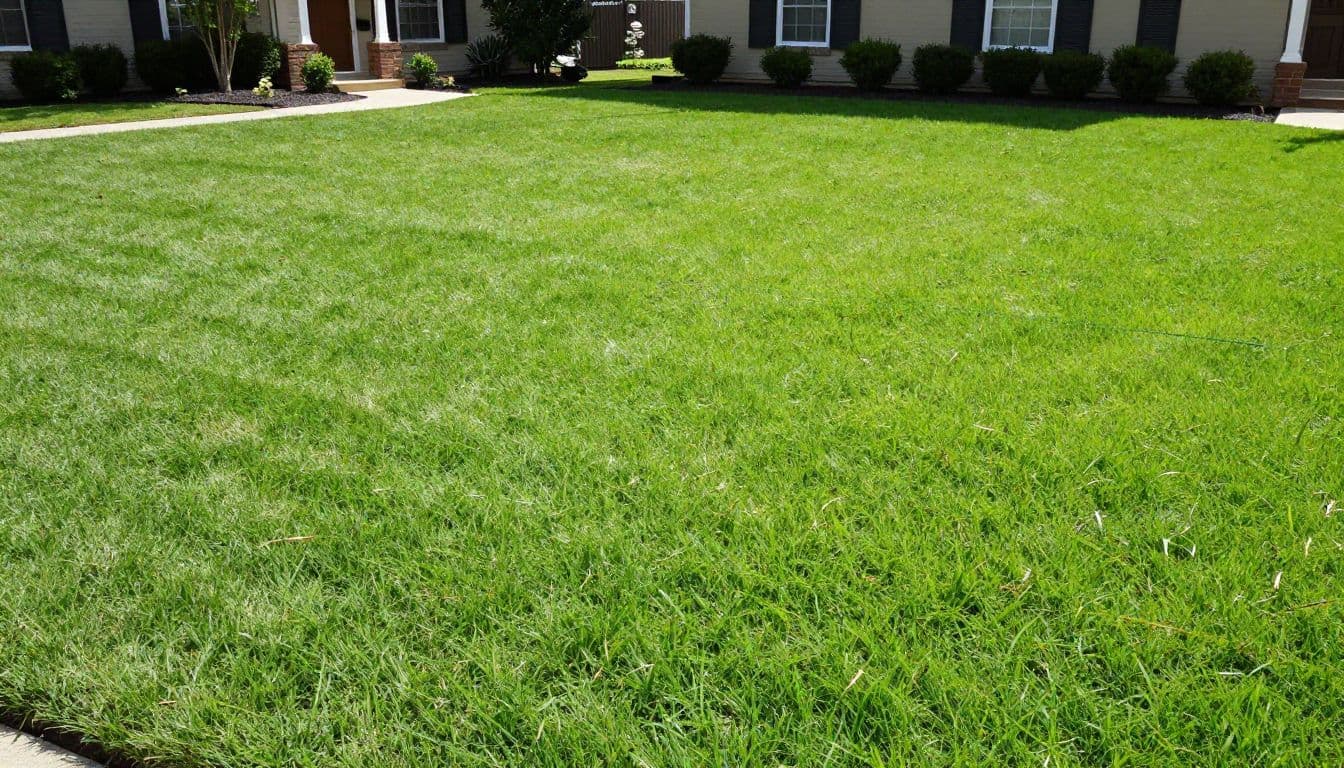
TifTuf and Celebration are warm-season hybrid Bermuda cultivars. Both grow actively during Atlanta's warm months, spread through stolons and rhizomes, and turn tan or brown during winter dormancy. Neither grass will stay green through a typical Atlanta winter without overseeding, and overseeding can affect spring transition.
Both types can produce a dense, attractive lawn when installed in prepared soil and maintained at the proper height. However, they have different strengths that may influence your decision.
| Lawn factor | TifTuf Bermuda | Celebration Bermuda |
|---|---|---|
| Color and appearance | Medium to dark green with a fine, dense look | Dark green with a strong visual presence |
| Drought performance | Excellent choice for reducing stress during dry periods | Strong drought performance when roots are established |
| Traffic recovery | Handles regular family and recreational use well | Recovers aggressively from wear |
| Shade tolerance | Needs substantial sunlight, like other Bermuda grasses | Can handle some light shade, but not dense shade |
| Maintenance style | Works well with consistent mowing and irrigation control | Performs well under regular mowing and fertility |
| Common fit | Sunny lawns with heat, traffic, or water concerns | Sunny lawns where color, recovery, and limited shade matter |
These differences are useful, but they aren't guarantees. A poorly drained Celebration lawn can fail, while well-installed TifTuf can perform beautifully in the same neighborhood. Soil preparation and sunlight set the limits first.
TifTuf vs Celebration Bermuda: choose by yard conditions
When comparing TifTuf vs Celebration Bermuda , start with how your lawn behaves during July and August. Atlanta's heat, humidity, irregular rainfall, and compacted clay can expose weak areas quickly.
TifTuf fits lawns with drought and traffic concerns
TifTuf is a strong candidate for an open, sunny yard that receives heavy foot traffic. Families with children, dogs, or backyard gathering areas may appreciate its ability to maintain density under repeated use.
Its drought performance is another reason homeowners consider it. TifTuf can still need irrigation during extended dry weather, but it is designed to hold up well when water becomes limited. Established roots and healthy soil remain important. No cultivar can replace deep watering, good drainage, or proper mowing.
TifTuf also suits homeowners who want a fine-textured lawn with a closely maintained appearance. That benefit comes with a need for regular mowing. If the lawn grows too tall between cuts, the grass can become uneven and scalping becomes more likely during the next mowing.
Celebration fits lawns where color and recovery matter
Celebration is often selected for its dark green appearance and vigorous recovery. It can be a good fit for a high-visibility front yard or a property that sees regular activity during the growing season.
This cultivar may also deserve consideration when parts of the lawn receive light afternoon shade. Still, "light shade" doesn't mean a yard beneath a dense tree canopy will support healthy Bermuda. Branches, buildings, fences, and neighboring homes can reduce sunlight below the level Bermuda needs.
Celebration's aggressive growth can help fill thin areas, but it can also move into beds, walkways, or neighboring turf. Defined edging and regular trimming keep that growth manageable.
A Bermuda cultivar can't solve a sunlight problem. If a lawn receives deep shade for much of the day, pruning, grading, or a different planting plan may matter more than choosing between two Bermuda types.
Site conditions can outweigh the grass selection
Atlanta homeowners sometimes focus on the sod label before checking the property. That order can lead to disappointment. The same cultivar may thrive in one yard and thin out in another because of differences in sunlight, soil, or water movement.
Sun exposure comes first. Most Bermuda lawns need strong direct sunlight for healthy density. A practical evaluation should look at the lawn throughout the day, not only at 10 a.m. Morning sun may reach one side of the yard while a home or tree shades it every afternoon. Areas with several hours of direct light can perform well, but dense shade usually calls for a different grass or a redesigned planting area.
Drainage is just as important. Many Metro Atlanta properties contain compacted clay soil. When clay stays wet, roots can lose access to oxygen. When it dries hard, water may run off instead of soaking into the root zone. Low spots, downspout discharge, and poorly graded areas can create thin turf regardless of cultivar.
Before installation, check whether water sits after rain. Correcting the grade, loosening compacted soil, and adding suitable organic material can improve establishment. A soil test can also guide pH and nutrient decisions without guessing.
Irrigation must match the soil. Established Bermuda often needs about 1 inch of water per week during active growth, including rainfall. The exact amount changes with heat, wind, soil type, and shade. Clay soil usually benefits from slower application, with enough time between watering cycles for the surface to dry.
New sod needs a different schedule while roots develop. Light, frequent watering may be necessary at first, but gradually extending the time between watering encourages deeper rooting. Sprinkler coverage should be checked with catch cups or shallow containers because one corner of a lawn may receive much more water than another.
Installation quality controls the first season. Uneven soil preparation leaves air pockets below sod. Poor contact slows rooting, while weeds can take advantage of gaps in sprigged areas. TifTuf and Celebration both need firm soil contact, correct grading, adequate irrigation, and clean edges during installation.
Mowing and seasonal care in Metro Atlanta
TifTuf and Celebration need a regular maintenance plan rather than occasional heavy cuts. Mowing height affects root health, density, scalping risk, and the lawn's ability to handle heat.
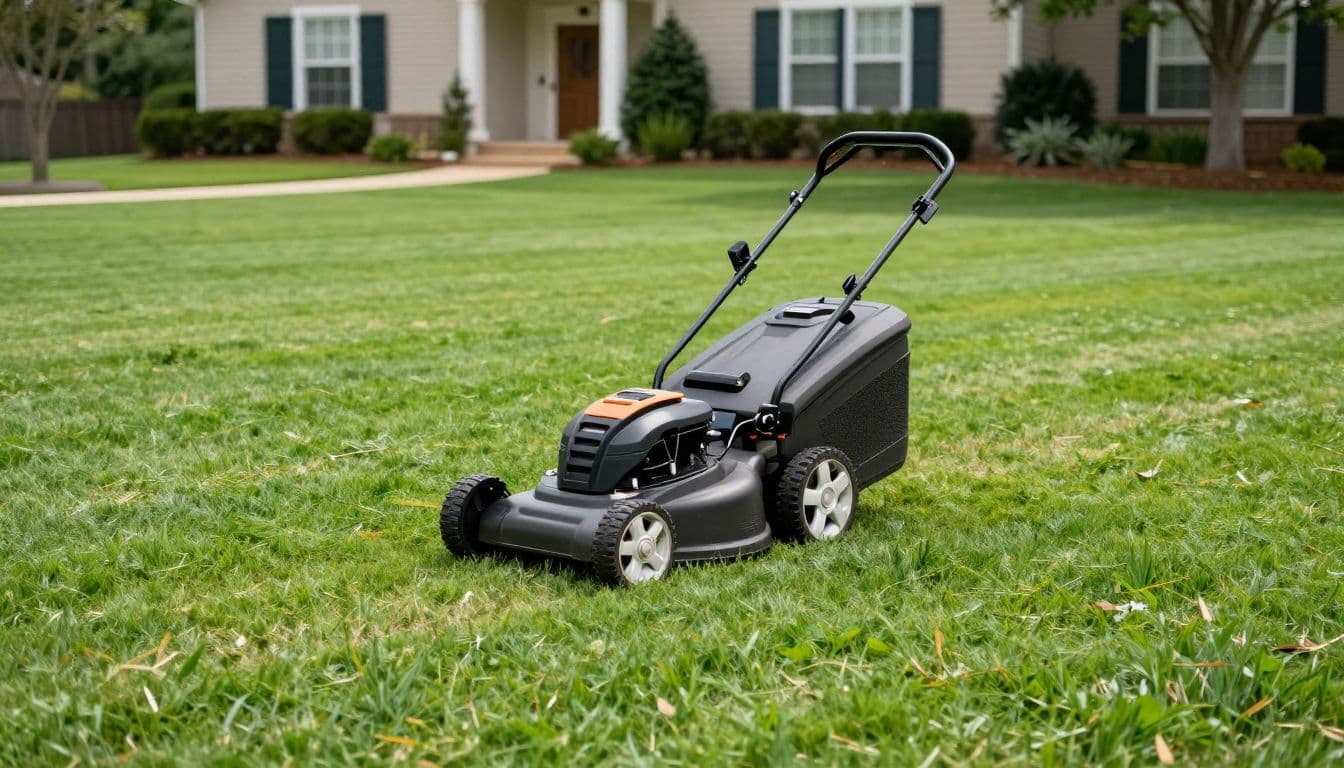
During active growth, many Atlanta Bermuda lawns perform well around 1.25 to 2 inches. Some professionally maintained lawns go lower with suitable equipment, a smooth grade, and frequent mowing. A standard rotary mower usually needs a higher setting than a reel mower to avoid scalping and uneven cuts.
The correct mowing heights for Atlanta lawns depend on the season and grass type. Keep the blade sharp, and remove no more than one-third of the leaf height at a time. Cutting too much at once can expose soil, stress the turf, and leave clippings in heavy piles.
Mowing frequency may increase during warm, wet periods because both cultivars spread quickly. During drought, raise the cutting height slightly if needed. Taller leaves provide more surface area for photosynthesis and can protect the soil from rapid moisture loss.
Water deeply enough to wet the root zone, but avoid running irrigation every day on established turf. The Atlanta lawn watering schedule can help you adjust watering by season and measure sprinkler output instead of relying on a timer alone.
Fertilizer timing also affects color and growth. Bermuda should receive nutrients during active growth, not while dormant in winter. Apply nitrogen according to a soil test and the lawn's condition. Too much fertilizer can create soft, fast growth that needs more mowing and may increase stress when the weather turns dry. Use the Atlanta fertilizer plan for Bermuda grass to plan applications and stop feeding before the lawn enters winter dormancy.
In late fall, remove leaves so they don't block sunlight or hold moisture against the turf. When the lawn turns dormant, reduce mowing and irrigation. Spring green-up will vary with soil temperature, winter weather, drainage, and the amount of sunlight reaching the grass.
Installation and long-term value
Sod gives you an immediate surface and can establish faster than sprigs when you water it correctly. It also costs more in material and labor. Sprigging can reduce material expenses, but the lawn takes longer to fill in and needs careful weed control during establishment.
The cultivar price is only one part of the project. Soil preparation, grading, drainage corrections, irrigation repairs, delivery, labor, and follow-up mowing can affect the final cost more than the difference between TifTuf and Celebration sod.
Choose one cultivar for a continuous lawn area when possible. Mixing grasses can create visible differences in color, texture, growth speed, and winter transition. If a section has different sunlight or drainage, address that condition before installing new turf.
For an existing lawn, a professional assessment can identify whether the problem is the grass, the soil, irrigation coverage, mowing height, or compacted traffic areas. Replacing turf without fixing the cause often produces the same thin spots again.
Final choice for an Atlanta home lawn
TifTuf vs Celebration Bermuda isn't a universal winner. TifTuf is a strong match for sunny, active lawns where drought stress and traffic are major concerns. Celebration can suit homeowners who want deep green color, vigorous recovery, and performance in areas with limited light shade.
The best result comes from matching the cultivar to the site, then supporting it with proper grading, drainage, irrigation, mowing, and seasonal care. A healthy lawn starts below the grass surface, so evaluate those conditions before choosing the sod.