Atlanta Sod vs Seed: Which Lawn Fits Your Yard?
A bare patch in an Atlanta yard can look like a simple purchase: a bag of seed or a pallet of sod. The real Atlanta sod vs seed decision starts with grass type, planting season, and what your soil does after a heavy storm.
Seed costs less at the start and gives you more control over coverage. Sod costs more, but it creates an established-looking lawn quickly. Neither option fixes poor grading, compacted clay, weak drainage, or the wrong grass for your sunlight.
Atlanta sod vs seed starts with the grass type
Grass selection comes before installation method. Atlanta's climate supports both cool-season and warm-season turf, but they grow on different schedules.
Tall fescue usually starts from seed
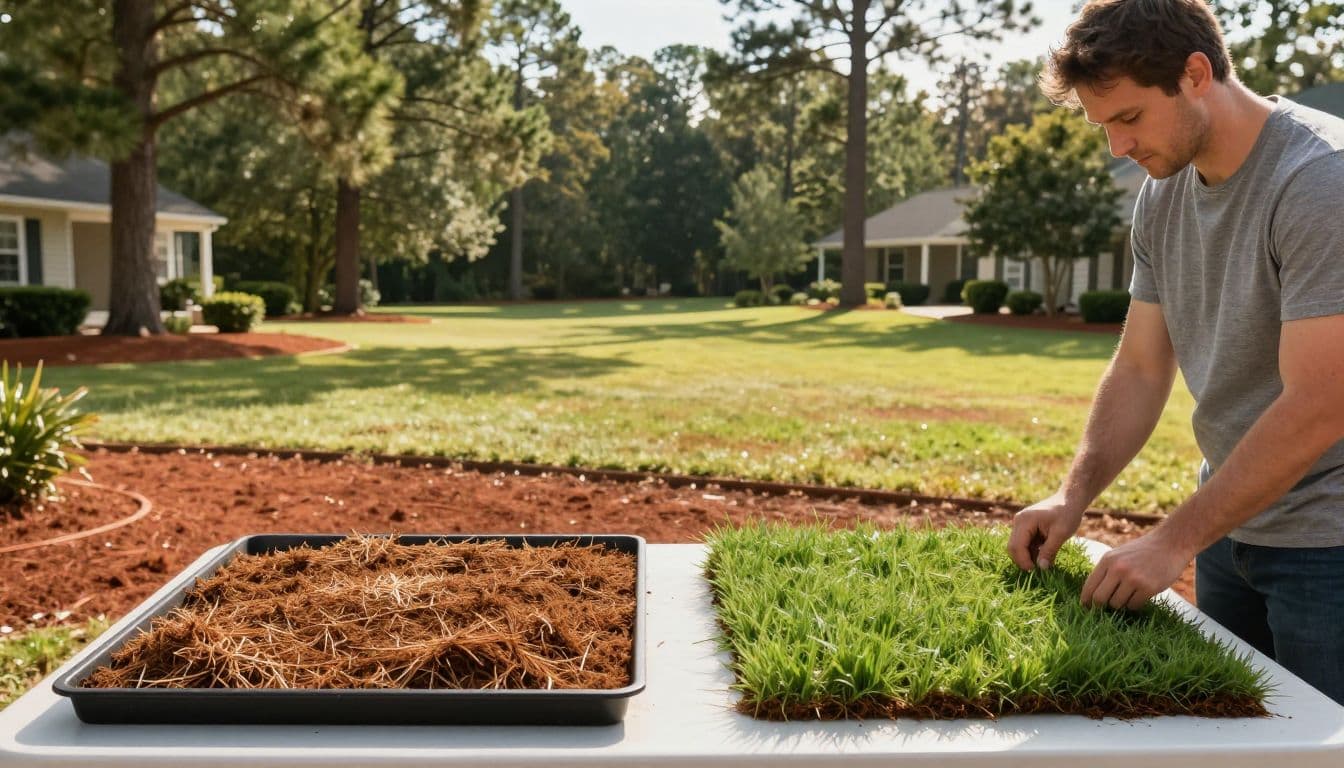
Tall fescue is a cool-season grass. It grows strongest during Atlanta's fall and spring weather, then slows during the hottest summer weeks. Homeowners typically establish it with seed, either on a bare site or through fall overseeding.
Fescue seed can work well around homes with filtered sunlight, provided the soil drains and the lawn receives enough water. It also gives you access to blends designed for improved shade tolerance, drought response, or disease resistance.
Sod is available for some fescue varieties, but seed is usually the more practical and affordable choice. It also makes future repairs easier because you can reseed thin sections without replacing an entire area.
Warm-season grasses often favor sod
Bermuda, Zoysia, and St. Augustine grow during Atlanta's warm months. Bermuda can be seeded in some cases, but many homeowners choose sod for faster coverage. Zoysia is commonly installed as sod, while St. Augustine is generally installed as sod or plugs rather than seed.
Warm-season turf needs warm soil and active growth to spread roots. A lawn installed too late in fall may look green for a short time but fail to root before winter dormancy. For a closer look at grass selection, review this Bermuda and Zoysia comparison for Atlanta lawns.
When lawn seed is the better fit
Seed makes sense when you can wait for the lawn to fill in and keep the soil consistently moist during germination. It usually costs less in materials, especially across a large property, but it demands more attention during the first several weeks.
Seed fits tall fescue renovations
Fall is the usual planting window for tall fescue in Metro Atlanta. The soil still holds summer warmth, while cooler air reduces heat stress on emerging grass. Early fall planting gives seedlings time to develop roots before winter and creates a stronger stand for spring growth.
Seed also helps when the existing lawn has scattered thin areas. A professional can mow, dethatch or lightly disturb the surface when needed, improve seed-to-soil contact, and apply the right amount of seed. Too much seed creates crowded seedlings that compete for water. Too little leaves open soil for weeds.
The lower price comes with more exposure
A seeded lawn takes longer to look finished. Rain can wash seed downhill, birds can remove it, and weeds may appear before the grass fills the open spaces. Heavy foot traffic can also disturb the surface during germination.
Plan to keep people and pets off newly seeded areas as much as possible. Water lightly and often enough to keep the upper soil layer damp, but avoid creating puddles. As seedlings grow, reduce watering frequency and increase the depth of each application.
Seed is a strong option when budget matters, the property has manageable slopes, and you can follow a regular care schedule. It becomes less attractive when you need usable turf within days.
When sod earns the extra cost
Sod provides mature grass coverage as soon as it is installed. The roots still need time to grow into the soil, but the lawn immediately looks more complete and helps protect exposed ground.
Sod gives you a faster finish
Sod works well for homeowners preparing a property for sale, meeting an HOA deadline, or replacing a highly visible front lawn. It also reduces the period when bare soil creates dust, mud, and tracking into the house.
Fresh sod must have firm contact with prepared soil. Gaps between pieces can dry out, while air pockets prevent roots from reaching moisture. A proper installation includes grading, soil preparation, tight seams, and thorough watering after placement.
Sod doesn't remove the need for maintenance. You still need to water it carefully, avoid heavy traffic, and wait for roots to establish before regular mowing.
Slopes and erosion favor sod
Seed can move during Atlanta's heavy downpours. Sod holds together better on moderate slopes and provides immediate protection against surface erosion. It also helps stabilize areas where bare soil would otherwise wash toward a driveway, sidewalk, or drainage channel.
Sod is often the safer choice for a slope, but it isn't a solution for a failing grade. If water runs toward the foundation or collects in low areas, review these yard grading and drainage options before installing new turf.
Match the method to sunlight, soil, and slope
The same installation method can succeed in one Atlanta yard and fail in another nearby. Tree cover, construction traffic, red clay, and drainage often create different conditions across a single property.
Check sunlight before choosing grass
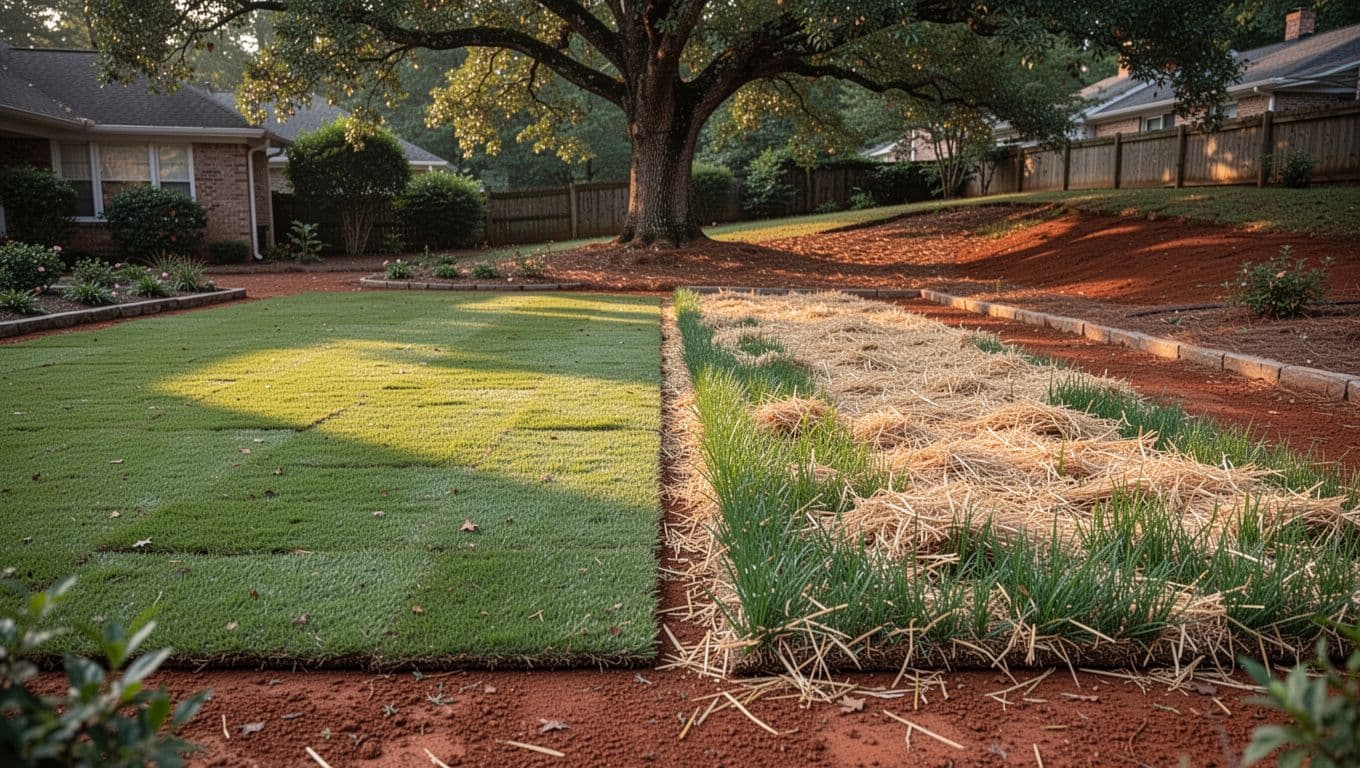
Bermuda needs strong sunlight and usually struggles in narrow shaded areas. Zoysia handles some partial shade, although dense tree cover can still thin it. Tall fescue often performs better under filtered light, making it a common choice for yards with mature pines or hardwoods.
Watch the area during different parts of the day. A spot that looks sunny at noon may receive only a few hours of direct light after nearby trees cast longer shadows. Grass selection matters more than whether you install seed or sod when shade is the main problem.
Deep shade may need a non-turf groundcover, mulch, or a redesigned planting bed. For yards with brighter shade and suitable drainage, this guide to St. Augustine lawn care for shady Atlanta yards can help with a warm-season option.
Prepare Georgia clay before installation
Atlanta's red clay can compact easily, especially after construction or repeated equipment traffic. Compacted soil restricts roots, slows drainage, and forms a hard surface when it dries. Seed struggles to establish in that condition, and sod may root poorly even when it looks healthy at first.
A soil test can identify pH and nutrient needs before amendments are added. Grade the site so water moves where it should, remove rocks and construction debris, and loosen compacted soil before laying sod or spreading seed.
If the project includes clearing, major grading, or a heavily overgrown area, professional land clearing and site preparation can create a more stable base for the lawn.
Installation timing matters in Atlanta
A good product installed during the wrong season can produce a weak lawn. Atlanta's mild winters create tempting planting days, but warm-season grass still needs enough growing time before cold weather arrives.
Install warm-season turf during active growth
Late spring through midsummer is usually the practical window for Bermuda and Zoysia installation. By then, the danger of frost has passed, soil temperatures have risen, and the grass can produce new roots and runners.
Sod installed during this window can knit into the soil within a few weeks when watering and soil contact are right. Late summer work may succeed, but drought, heat, and watering restrictions increase the risk. Fall installation can leave warm-season grass under-rooted before dormancy.
St. Augustine also needs warm conditions after installation. Choose it only for suitable sites with enough light, reasonable drainage, and a cultivar that can handle north Georgia winters.
Seed tall fescue in the cooler season
Tall fescue seed performs best in early fall, when daytime heat begins to ease. Spring seeding can work, but young fescue faces Atlanta's summer heat soon after germination. That timing often requires more irrigation and leaves the lawn more vulnerable to stress.
Avoid spreading fescue seed during the hottest part of summer. Germination may be uneven, and frequent watering can encourage disease or wash seed into low spots.
Timing should also account for your schedule. If you can't monitor moisture during the first weeks, postpone the project or arrange professional watering and follow-up care.
Compare total cost, not only the material price
Seed is usually less expensive to purchase, but the final project cost depends on preparation, labor, irrigation, erosion control, and follow-up care. Sod has a higher material and delivery cost, yet it may reduce the time spent managing bare soil and repeated repairs.
Large lawns often make seed more attractive because the material spreads across more square footage. However, poor seed-to-soil contact or missed watering can create thin coverage that needs reseeding. A cheaper installation can become expensive if the site needs several corrections.
Sod costs more up front because someone must harvest, transport, cut, and install living turf. Delivery access matters too. A fenced backyard, steep slope, or narrow gate can increase labor time.
Ask for an estimate that separates these parts:
- Site clearing and removal of old turf
- Grading and soil preparation
- Seed, straw, fertilizer, or sod materials
- Delivery and installation labor
- Irrigation adjustments
- Follow-up mowing or repairs
A trustworthy quote should explain what happens beneath the grass. Surface preparation often determines whether the lawn succeeds, so don't compare a basic sod price with a fully prepared seed installation.
Plan the first month of lawn care
Establishment care differs slightly between seed and sod, but both options need reliable moisture. New roots are shallow, so dry weather can cause damage before the lawn looks stressed.
For new sod, water lightly and frequently during the first 10 to 14 days. Check the soil beneath the pieces rather than relying only on the surface appearance. During days 15 through 30, begin spacing out watering while applying more water during each session. Once roots have taken hold, move toward deeper, less frequent watering.
Use this Atlanta lawn watering schedule to adjust care for the season and grass type. Rainfall, soil slope, irrigation coverage, and temperature all affect the schedule.
Seeded lawns need consistent moisture until germination, then gradually longer intervals as roots develop. Avoid heavy fertilizer during early establishment unless a soil test or lawn professional recommends it. Too much nitrogen can push soft top growth before the root system is ready.
Mow only after the grass reaches an appropriate height and the soil can support the mower without rutting. Keep blades sharp and remove no more than one-third of the leaf height at a time. After establishment, follow a mowing height suited to Bermuda, Zoysia, or tall fescue.
Atlanta sod vs seed: a practical property checklist
Use seed when most of these statements describe your project:
- You want tall fescue for a cool-season lawn.
- The property has gentle grades and limited erosion risk.
- You can wait several weeks for the lawn to fill in.
- You can keep the surface damp during germination.
- The project covers a large area where sod costs would rise quickly.
- You need to repair thin sections rather than cover an entire lawn.
Choose sod when these conditions matter more:
- You need a finished-looking lawn quickly.
- The area has a moderate slope or exposed soil that may wash away.
- You are installing Bermuda or Zoysia during warm-season growth.
- Bare ground would create mud, dust, or property-access problems.
- You can pay more for faster coverage and professional installation.
- The site has been properly graded and prepared before delivery.
When conditions are mixed, divide the property into zones. Seed tall fescue in filtered shade and sod a sunny, high-traffic section with a suitable warm-season grass. That approach can work better than forcing one turf type across the entire yard.
Conclusion
The right Atlanta sod vs seed choice depends on the grass, the property, and the time of year. Seed often fits tall fescue, large areas, lower initial budgets, and homeowners who can manage a longer establishment period. Sod usually fits warm-season turf, slopes, visible front yards, and projects that need quick coverage.
Start with sunlight, soil, drainage, slope, and planting timing. Once those conditions point toward a turf type, choose the installation method that matches your budget and willingness to provide consistent early care. The strongest lawn is the one whose grass and establishment plan fit the property before installation begins.